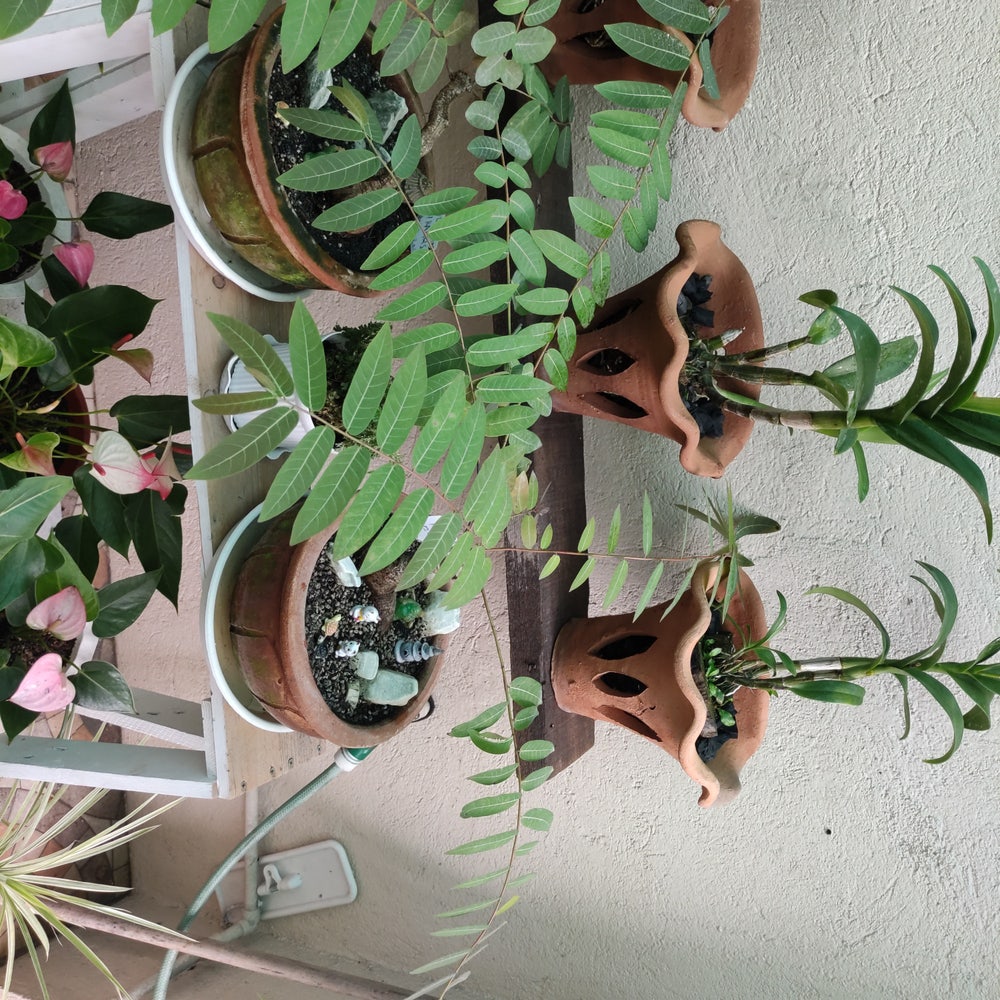
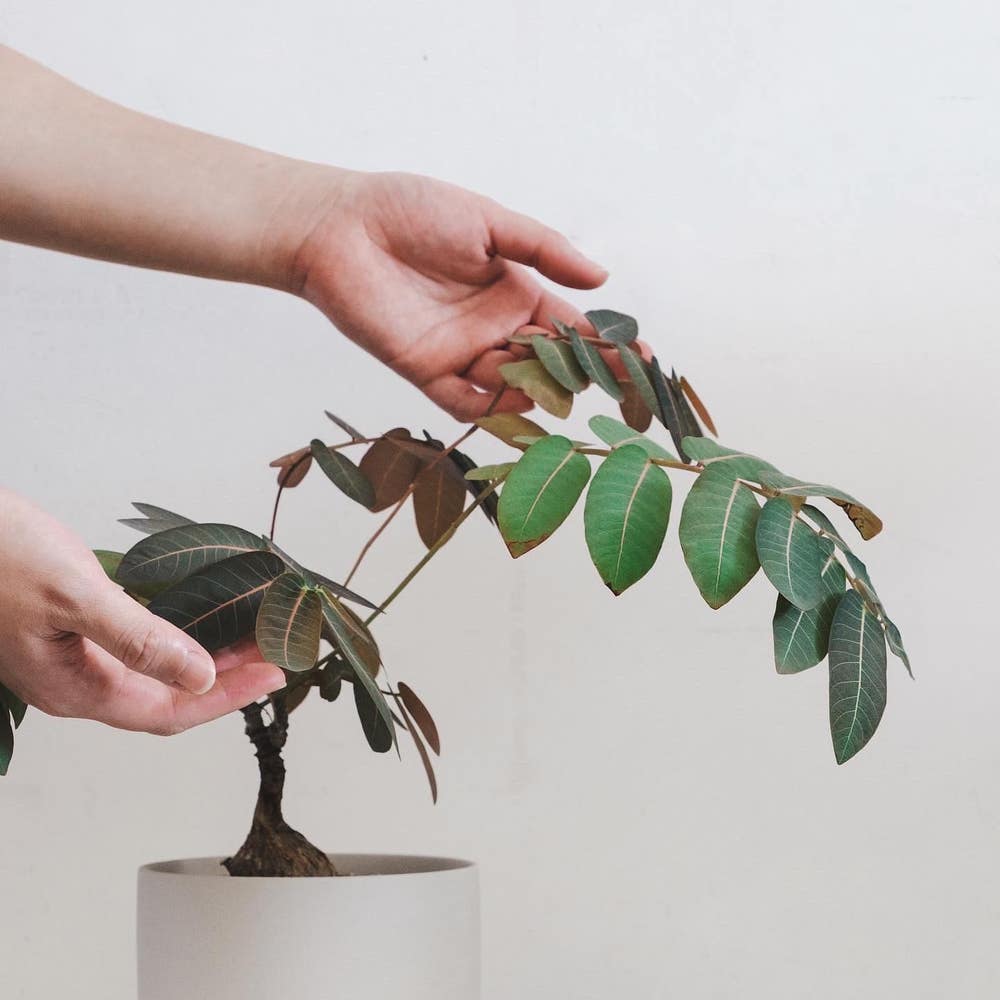
What to Do About Droopy Leaves on Your Indian Gooseberry 😢
Phyllanthus emblica
By the Greg Editorial Team
Nov 09, 2024•7 min read
This article was created with the help of AI so we can cover more plants for you. May contain errors. See one? Report it here.
Restore your droopy Indian gooseberry leaves 🌱 by uncovering their hidden causes and reviving their health!
- 🌱 Droopy leaves indicate issues like overwatering, underwatering, or nutrient deficiencies.
- 💧 Check soil moisture with a finger test to diagnose watering problems effectively.
- 🐛 Pests like aphids can weaken your Indian gooseberry, causing droopy leaves.
Causes of Droopy Leaves
Droopy leaves on your Indian gooseberry can signal various underlying issues. Understanding these causes is crucial for restoring your plant's health.
💧 Overwatering and Its Effects
Overwatering is a common culprit behind droopy leaves. Symptoms include yellowing leaves and wilting, even when the soil feels wet.
Root rot often follows, leading to stunted growth. This condition compromises root systems, making plants more susceptible to diseases.
🚰 Underwatering and Its Symptoms
On the flip side, underwatering can also cause droopiness. Signs include dry, crispy leaf edges and leaves that droop significantly.
When soil pulls away from the pot edges, it indicates a lack of moisture. This stress reduces nutrient uptake and can lead to potential leaf drop.
🥦 Nutrient Deficiencies
Nutrient deficiencies can significantly impact your plant's vitality. Two key deficiencies to watch for are nitrogen and potassium.
Nitrogen Deficiency
Nitrogen deficiency manifests as pale green leaves and stunted growth. In severe cases, you may notice leaf drop.
Potassium Deficiency
Potassium deficiency often presents with marginal leaf scorch and drooping. It can also hinder fruit development, affecting overall yield.
🐛 Pest Infestations
Pests can wreak havoc on your Indian gooseberry, leading to droopy leaves. Common pests include aphids and spider mites.
Common Pests
Aphids leave a sticky residue on leaves and cause curling. Their presence weakens plants, resulting in droopy foliage.
Spider mites, identifiable by fine webbing and stippled leaves, reduce plant vigor. Both pests can lead to significant drooping if not addressed promptly.
🌪️ Environmental Stress
Environmental factors play a crucial role in leaf health. Temperature fluctuations and humidity levels can both contribute to droopy leaves.
Temperature Fluctuations
Extreme temperatures can cause leaf droop. Heat stress or sudden cold snaps often lead to visible drooping.
Humidity Levels
Low humidity increases transpiration, which can result in droopy leaves. Ideally, humidity levels should be maintained between 40-60% for optimal plant health.
Understanding these causes is the first step in addressing droopy leaves. Next, we will explore how to diagnose the specific issues affecting your Indian gooseberry.
Diagnosing Droopy Leaves
👀 Visual Signs to Look For
When your Indian gooseberry shows droopy leaves, start by examining the leaves closely. Look for color changes such as yellowing, browning, or wilting, which can indicate various issues.
Also, pay attention to the leaf texture. Leaves that feel crispy or overly soft can signal stress, whether from watering problems, nutrient deficiencies, or pests.
💧 Soil Moisture Testing Methods
Next, assess the soil moisture to determine if watering is the culprit. A simple finger test involves inserting your finger into the soil up to 2 inches to check for moisture.
For a more accurate reading, consider using a soil moisture meter. This tool provides precise measurements, helping you understand if your plant is overwatered or underwatered.
🌡️ Assessing Environmental Conditions
Environmental factors play a significant role in leaf health. Start by checking the temperature and humidity levels in your growing area, as extreme conditions can lead to droopy leaves.
Additionally, evaluate the sunlight exposure your plant receives. Full sun may be too intense, while partial shade might not provide enough light, both of which can affect leaf vitality.
🐛 Identifying Pest Presence
Pests can also contribute to droopy leaves, so inspect your plant thoroughly. Look for signs like webbing, sticky residue, or visible insects on the leaves.
Using a magnifying glass can help you spot smaller pests that might otherwise go unnoticed. Early detection is key to preventing further damage and ensuring your plant's recovery.
With these diagnostic steps, you can pinpoint the cause of droopy leaves and take appropriate action. Next, let’s explore effective treatment options to revive your Indian gooseberry.
Treatment for Droopy Leaves
🌊 Adjusting Watering Practices
Establishing a consistent watering schedule is crucial for your Indian gooseberry's health. Water when the top 1-2 inches of soil are dry to prevent both overwatering and underwatering.
Deep watering is another effective technique. This encourages root growth by allowing moisture to penetrate deeper into the soil, promoting a stronger plant.
🌱 Fertilization Techniques for Recovery
Using the right fertilizers can significantly aid recovery. A balanced NPK fertilizer is recommended for replenishing essential nutrients.
Apply this fertilizer every 4-6 weeks during the growing season. This frequency helps maintain optimal nutrient levels for healthy growth.
🐞 Pest Control Methods
Organic Options
For pest control, consider organic solutions first. Neem oil is highly effective against common pests like aphids and spider mites.
Insecticidal soap is another safe option for edible plants. It targets pests without harming your plant or the environment.
Chemical Options
If you face severe infestations, systemic insecticides may be necessary. Always follow label instructions carefully to ensure safe and effective application.
🌤️ Environmental Adjustments
Making environmental adjustments can also help your plant recover. Providing shade during extreme heat is essential; use shade cloth or relocate your plant to a cooler area.
Increasing humidity can further support recovery. Mist the leaves or use a humidity tray to create a more favorable environment for your Indian gooseberry.
By implementing these treatment strategies, you can help your Indian gooseberry bounce back from droopy leaves. Next, let's explore how to prevent droopy leaves in the future.
Preventing Droopy Leaves
🌊 Best Practices for Watering
To keep your Indian gooseberry thriving, establish a watering routine based on soil moisture levels. Always check the top 1-2 inches of soil; if it's dry, it's time to water.
Avoid letting water sit in pots, as standing water can lead to root rot. Instead, ensure that your pots have adequate drainage to promote healthy roots.
🌱 Soil Preparation and Amendments
Using well-draining loamy soil is crucial for your plant's health. This type of soil allows for proper aeration and moisture retention.
Consider adding compost to enrich the soil with nutrients. This simple amendment can significantly boost your plant's growth and resilience.
🐛 Regular Monitoring for Pests
Stay proactive by inspecting your plants weekly for any signs of pests. Early detection is key to preventing infestations that can lead to droopy leaves.
Utilizing sticky traps can help you monitor pest populations effectively. These traps are a simple yet effective way to keep an eye on potential threats.
🌦️ Seasonal Care Tips
Adjust your care practices according to the seasons. For instance, during hotter months, ensure your plant has enough shade to prevent heat stress.
As winter approaches, take steps to protect the roots from frost. Mulching around the base can provide insulation and keep your plant safe during colder weather.
By following these preventive measures, you can maintain the health of your Indian gooseberry and enjoy its lush foliage year-round. Next, let’s explore how to diagnose droopy leaves effectively.
Recovery and Care Post-Droop
Signs of Recovery to Watch For 🌱
After addressing the causes of droopy leaves, it's crucial to monitor your Indian gooseberry for signs of recovery. Look for new leaf growth and improved leaf turgidity, which indicate that your plant is bouncing back.
You should also notice color restoration in previously droopy leaves. Healthy foliage will regain its vibrant green hue, signaling that your plant is regaining strength.
Continued Care After Treatment 🛠️
Maintaining a consistent watering and fertilization schedule is vital for your plant's recovery. Ensure that you water only when the top 1-2 inches of soil are dry to prevent overwatering.
Regular monitoring for pests and environmental conditions is equally important. Keep an eye on temperature and humidity levels to create an optimal growing environment.
Long-Term Health Strategies 🌳
Implementing a yearly care routine can help sustain your plant's health. This includes seasonal adjustments to watering and fertilization based on your plant's needs.
Rotating planting locations is another effective strategy. This practice prevents soil depletion and reduces the risk of pest buildup, ensuring your Indian gooseberry thrives year after year.
By following these recovery and care tips, you can help your Indian gooseberry flourish, setting the stage for a bountiful harvest.
⚠️ Safety First
This content is for general information and may contain errors, omissions, or outdated details. It is not medical, veterinary advice, or an endorsement of therapeutic claims.
Always consult a qualified healthcare professional before using any plant as food, medicine, or supplement.
Never eat any plant (or feed one to pets) without confirming its identity with at least two trusted sources.
If you suspect poisoning, call Poison Control (800) 222-1222, the Pet Poison Helpline (800) 213-6680, or your local emergency service immediately.
Spotted an error? Please report it here.
Revive your Indian gooseberry from droopy leaves with consistent care 🌿—let Greg guide you with tailored watering reminders and nutrient tips for thriving plants!