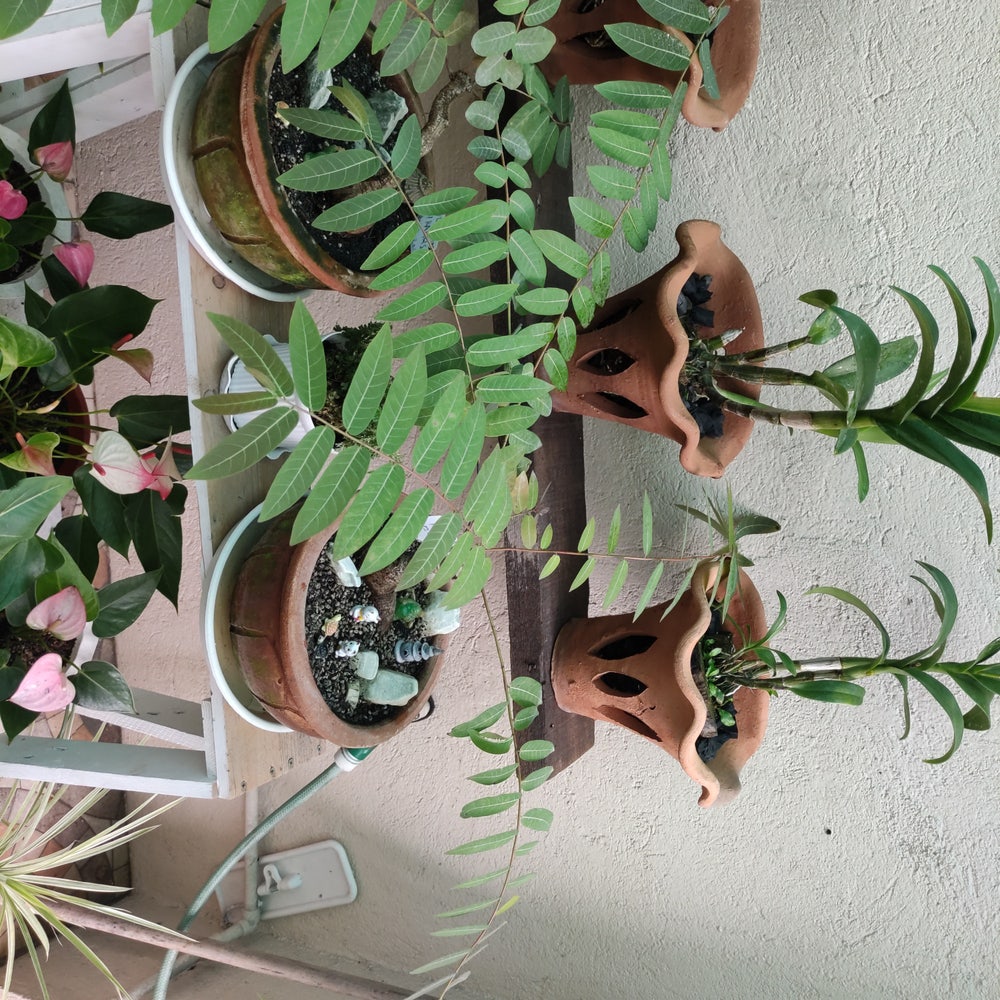
9 Budget-Friendly Indian Gooseberry Landscaping Ideas
Phyllanthus emblica
By the Greg Editorial Team
Nov 09, 2024•3 min read
This article was created with the help of AI so we can cover more plants for you. May contain errors. See one? Report it here.
Elevate your garden's beauty and bounty with innovative landscaping ideas featuring Indian gooseberry trees! 🌿
- 🌳 Indian gooseberry trees create a lush, budget-friendly orchard oasis in your backyard.
- 🍏 Group trees for maximum space efficiency and seasonal fruit production.
- 🌿 Versatile landscaping ideas make Indian gooseberry trees perfect for any garden size.
Innovative Landscaping Concepts
🌳 Orchard Oasis
Creating an orchard oasis is a delightful way to enhance your backyard. Group several Indian gooseberry trees in a designated area, ideally spacing 3-5 trees about 10-15 feet apart.
The glossy green foliage and seasonal fruit not only provide a lush, inviting space but also offer shade and a natural habitat for wildlife. This setup is perfect for enjoying the outdoors while harvesting delicious fruit.
For smaller gardens, consider planting a single tree with a cozy seating area beneath it. This creates a charming retreat where you can relax and enjoy nature.
🌿 Edible Hedge
Transform your property lines into a stunning edible hedge. Plant Indian gooseberry trees along the edges of your yard or as a natural fence, using 2-3 rows for a dense, fruitful barrier.
This hedge not only offers privacy but also showcases unique foliage and fruit throughout the seasons. Plus, the tree's growth habit allows for easy pruning, keeping it at a manageable height.
If space is limited, a single row of these trees can serve as a decorative border while still providing delicious fruit. It’s a practical and attractive solution for any garden.
🪴 Container Garden Delight
For those with limited space, a container garden can be a game-changer. Use large containers to showcase Indian gooseberry trees on patios or balconies, arranging one or two per area based on your available space.
This setup allows for a dynamic display, highlighting the tree's growth and adding visual interest. Container gardening enhances aesthetic appeal while providing the flexibility to move plants as needed.
Opt for smaller varieties or dwarf cultivars to maximize your space. These compact options still deliver the beauty and benefits of the Indian gooseberry without overwhelming your area.
🌼 Seasonal Interest Garden
Integrating Indian gooseberry trees into a seasonal interest garden can elevate your landscape. Place 1-2 trees among perennials and annuals in a mixed garden bed for year-round visual diversity.
The changing foliage and fruit throughout the seasons create a stunning display. Their deciduous nature complements other plants, enhancing the overall aesthetic appeal of your garden.
In smaller gardens, focus on layering with shorter plants in front of the tree. This technique maximizes space while ensuring that your garden remains vibrant and engaging.
🧘♀️ Feng Shui Garden
For a more spiritual approach, consider designing a feng shui garden with Indian gooseberry trees. Position the trees in the "wealth" or "health" areas of your garden according to feng shui principles, using 1-3 trees to create a harmonious balance.
These trees symbolize prosperity and health, enhancing the garden's energy and inviting positive vibes. Their cultural significance and fruit-bearing nature align beautifully with feng shui practices.
If your space is limited, a single tree accompanied by decorative stones or a small water feature can still create a serene and inviting atmosphere. This thoughtful arrangement promotes tranquility and connection with nature.
As you explore these innovative landscaping concepts, remember that each idea can be adapted to fit your unique space and style. Whether you have a sprawling backyard or a cozy balcony, there's a budget-friendly solution for incorporating Indian gooseberry trees into your landscape.
⚠️ Safety First
This content is for general information and may contain errors, omissions, or outdated details. It is not medical, veterinary advice, or an endorsement of therapeutic claims.
Always consult a qualified healthcare professional before using any plant as food, medicine, or supplement.
Never eat any plant (or feed one to pets) without confirming its identity with at least two trusted sources.
If you suspect poisoning, call Poison Control (800) 222-1222, the Pet Poison Helpline (800) 213-6680, or your local emergency service immediately.
Spotted an error? Please report it here.
Enhance your garden with vibrant Indian gooseberry trees 🍏 and let Greg provide tailored care reminders to help you enjoy their beauty and delicious fruit all year round!