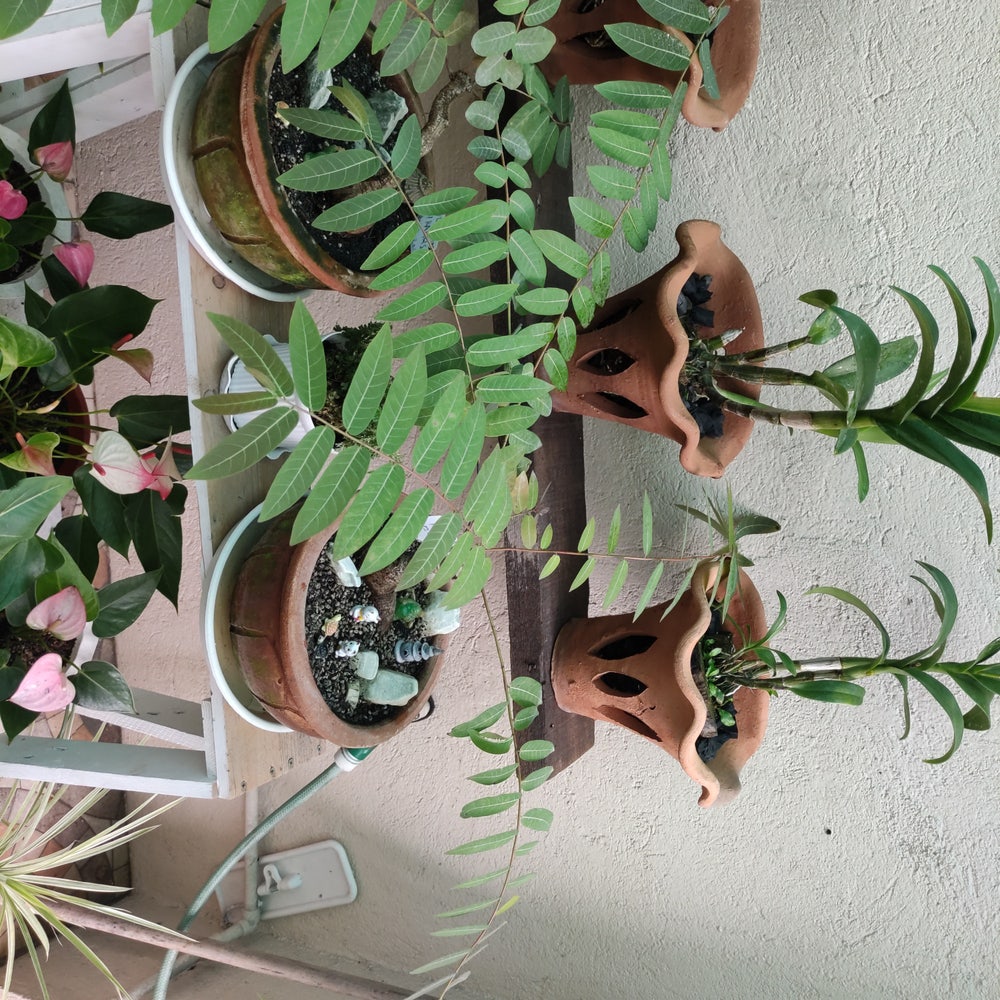
Step-by-Step Guide to Choosing Soil for Indian Gooseberry 🍇
Phyllanthus emblica
By the Greg Editorial Team
Nov 09, 2024•6 min read
This article was created with the help of AI so we can cover more plants for you. May contain errors. See one? Report it here.
Unlock vibrant growth and bountiful harvests for your Indian Gooseberry by mastering soil health! 🌱
- 🌱 Recognize unhealthy soil by checking for mold, poor drainage, and odors.
- 🔍 Regular soil testing helps identify nutrient deficiencies before they harm plants.
- 🌿 Ideal pH for Indian Gooseberry is 5.5 to 7.0 for optimal nutrient uptake.
Identifying Unhealthy Soil
🕵️♂️ Signs of Unhealthy Soil
Recognizing unhealthy soil is crucial for the health of your Indian Gooseberry plants. One major indicator is moldy soil, which often appears as a fuzzy layer on the surface. This can signal overwatering or poor air circulation, leading to root diseases that can devastate your plants.
Another sign is poor drainage, evident through waterlogged areas that persist after rain. If you notice unpleasant odors emanating from the soil, it’s a clear warning that anaerobic conditions are present, which can harm plant roots.
🔍 How to Recognize Nutrient Deficiencies in Soil
Nutrient deficiencies can manifest visually on your Indian Gooseberry. Look for leaf discoloration, such as yellowing or browning, and stunted growth patterns that indicate your plants are struggling.
Regular soil testing is essential to understand nutrient levels. This proactive approach helps you identify deficiencies before they impact your plants, ensuring they receive the nutrients they need to thrive.
🐛 Common Pests and Diseases Associated with Unhealthy Soil
Unhealthy soil can lead to serious issues like root rot, primarily caused by overwatering and poor drainage. To prevent this, ensure your soil has adequate aeration and drainage to keep roots healthy and thriving.
Additionally, unhealthy soil attracts pests such as nematodes and grubs. These pests can damage roots and hinder plant growth, making it vital to maintain soil health to keep these threats at bay.
Identifying these signs and issues early can save your Indian Gooseberry plants from significant harm. With this knowledge, you can take the necessary steps to ensure your soil remains healthy and productive.
Soil pH and Nutrient Needs
🌱 Ideal pH Range for Indian Gooseberry
The ideal pH range for Indian Gooseberry is between 5.5 and 7.0. This range is crucial for optimal nutrient uptake, ensuring your plants thrive.
Soil pH directly affects nutrient availability. For instance, acidic soils can limit access to essential nutrients like phosphorus, while alkaline conditions may hinder iron absorption.
🥦 Nutrient Requirements Specific to Indian Gooseberry
Indian Gooseberry requires key nutrients such as nitrogen, phosphorus, and potassium, along with various micronutrients. Each of these plays a vital role in plant health and fruit production.
Watch for signs of nutrient deficiencies, like yellowing leaves or stunted growth. These symptoms indicate that your soil may need a nutrient boost to support healthy development.
Understanding soil pH and nutrient needs is essential for cultivating robust Indian Gooseberry plants. With the right conditions, you can ensure a bountiful harvest and vibrant growth.
Next, we’ll explore how to create a homemade soil mix tailored specifically for Indian Gooseberry.
Creating a Homemade Soil Mix
Step-by-Step Guide to Making a Soil Mix for Indian Gooseberry 🌱
Creating the perfect soil mix for Indian Gooseberry is straightforward. Start by gathering essential materials: compost, peat moss, perlite, and sand.
Next, combine these ingredients in a large container. Mix them thoroughly to ensure an even distribution of nutrients and texture.
Finally, test the mix to confirm it has the right texture and drainage properties. A well-balanced mix will support healthy root development and plant growth.
Recommended Ingredients for Optimal Soil Mix 🥬
Each ingredient in your soil mix plays a vital role.
- Compost serves as a rich source of nutrients and organic matter, promoting healthy plant growth.
- Peat moss enhances moisture retention, ensuring your plants have access to water.
- Perlite or sand improves drainage, preventing waterlogging and root rot.
These components work together to create a nurturing environment for your Indian Gooseberry.
Proportions of Each Ingredient for Best Results ⚖️
Getting the proportions right is crucial for optimal results. A recommended ratio is:
- 40% compost
- 30% peat moss
- 20% perlite
- 10% sand
These percentages can be adjusted based on your local soil conditions. Tailoring your mix ensures it meets the specific needs of your growing environment.
With the right homemade soil mix, your Indian Gooseberry plants will thrive, setting the stage for a fruitful harvest. Next, let’s explore how to resolve common soil issues that may arise during cultivation.
Resolving Soil Issues
🦠 Solutions for Moldy Soil
Moldy soil can be a significant problem for your Indian Gooseberry plants. The first step is to remove any affected soil and plants immediately to prevent further spread.
For long-term solutions, focus on improving air circulation and drainage. This can be achieved by spacing out plants and using mulch to allow air to flow freely.
🌱 How to Amend Soil for Better Health
Amending your soil is crucial for maintaining its health. Start by adding organic amendments like compost and organic fertilizers, which enrich the soil with nutrients.
Inorganic amendments can also play a vital role. Use lime to adjust pH levels upward or sulfur to lower them, ensuring your soil is balanced for optimal plant growth.
💧 Techniques for Improving Soil Drainage
Proper drainage is essential for healthy soil. One effective technique is to incorporate coarse materials such as sand, gravel, or perlite to enhance drainage capabilities.
Creating raised beds is another excellent strategy. Raised beds not only improve drainage but also help regulate soil temperature, providing a better environment for your Indian Gooseberry plants.
By addressing these soil issues, you can create a thriving environment for your plants. Next, let’s explore seasonal considerations for soil care to ensure your Indian Gooseberry continues to flourish throughout the year.
Seasonal Considerations for Soil Care
🌱 Seasonal Adjustments to Soil Care for Indian Gooseberry
Caring for your Indian Gooseberry involves seasonal adjustments to ensure healthy growth.
In spring, focus on preparing the soil for planting by adding necessary amendments like compost and fertilizers.
During summer, keep an eye on moisture levels and nutrient needs, as the heat can stress your plants.
As fall approaches, prioritize post-harvest soil care, including mulching to protect the soil during winter.
⏰ Best Times to Amend Soil or Test pH
Timing is crucial when it comes to soil amendments and pH testing.
The best times to amend your soil are in early spring and late fall.
Testing the soil before planting is essential to ensure optimal conditions for your Indian Gooseberry.
🌍 Preparing Soil for Planting in Different Seasons
Preparing your soil varies with the seasons, each requiring specific techniques.
For spring planting, consider soil warming techniques to promote early growth.
In fall, ensure adequate drainage to prevent waterlogging during winter.
Finally, during winter, protect your soil structure and prevent erosion by covering it with mulch or other protective materials.
By following these seasonal guidelines, you can create a thriving environment for your Indian Gooseberry, setting the stage for a bountiful harvest.
Next, let’s explore how to resolve common soil issues that may arise throughout the growing season.
⚠️ Safety First
This content is for general information and may contain errors, omissions, or outdated details. It is not medical, veterinary advice, or an endorsement of therapeutic claims.
Always consult a qualified healthcare professional before using any plant as food, medicine, or supplement.
Never eat any plant (or feed one to pets) without confirming its identity with at least two trusted sources.
If you suspect poisoning, call Poison Control (800) 222-1222, the Pet Poison Helpline (800) 213-6680, or your local emergency service immediately.
Spotted an error? Please report it here.
Ensure your Indian Gooseberry plants thrive by mastering soil health with Greg's tailored tips and reminders for optimal nutrient balance! 🌿