🪴 Choosing the Best Pot for Your Indian Gooseberry
Phyllanthus emblica
By the Greg Editorial Team
Nov 09, 2024•6 min read
This article was created with the help of AI so we can cover more plants for you. May contain errors. See one? Report it here.
Master pot sizes and materials 🌱 to ensure your Indian gooseberries thrive and yield a bountiful harvest!
- 🌱 Start seedlings in 4-6 inch pots; transition to 12-18 inches for mature plants.
- 💧 Ensure proper drainage with 3-5 holes to prevent root rot and moisture issues.
- 🌍 Choose pot materials wisely; clay promotes health, while plastic retains moisture longer.
Pot Sizes for Indian Gooseberry
Recommended Sizes for Seedlings 🌱
When starting your Indian gooseberry journey, choose a container that is 4-6 inches in diameter. This size is perfect for initial growth, allowing the seedlings to establish themselves without overwhelming their shallow root system.
As your seedlings thrive, be ready to transition them to larger pots. This gradual increase in size supports their growth and ensures they have enough space to develop robust roots.
Recommended Sizes for Mature Plants 🌳
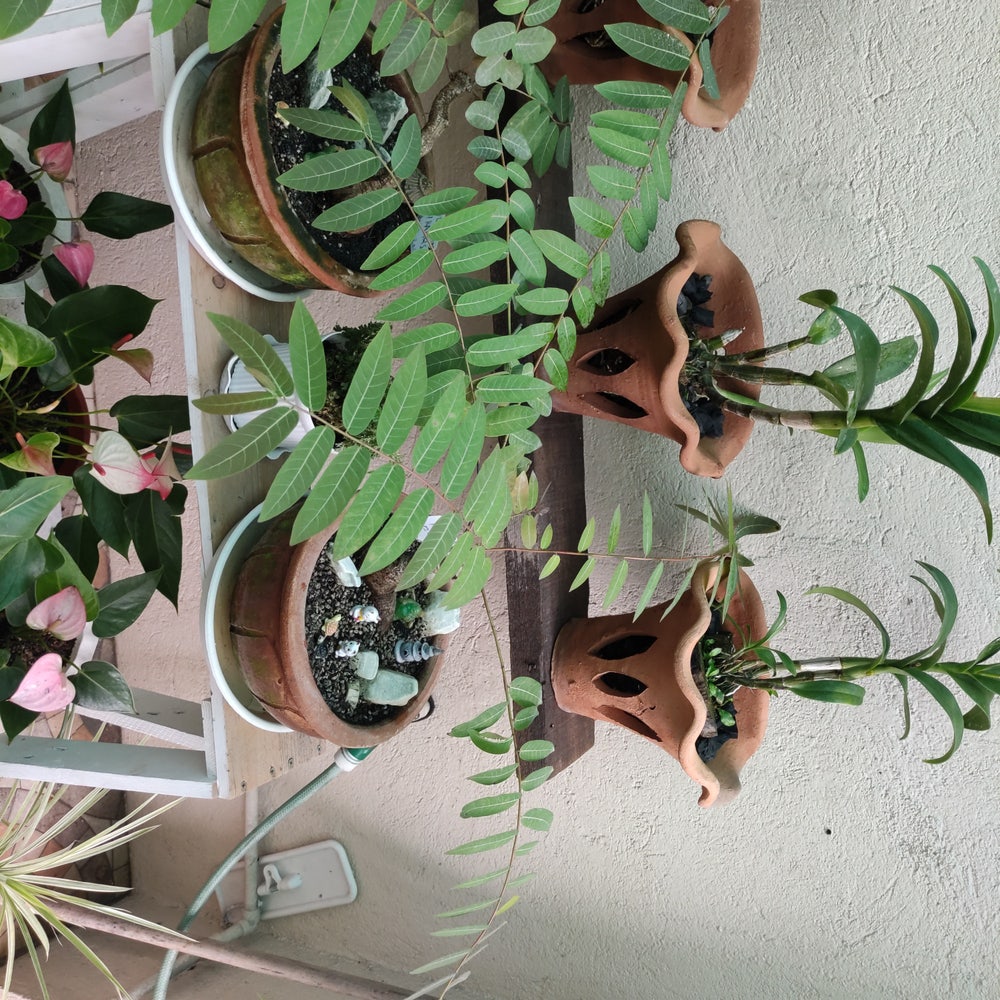
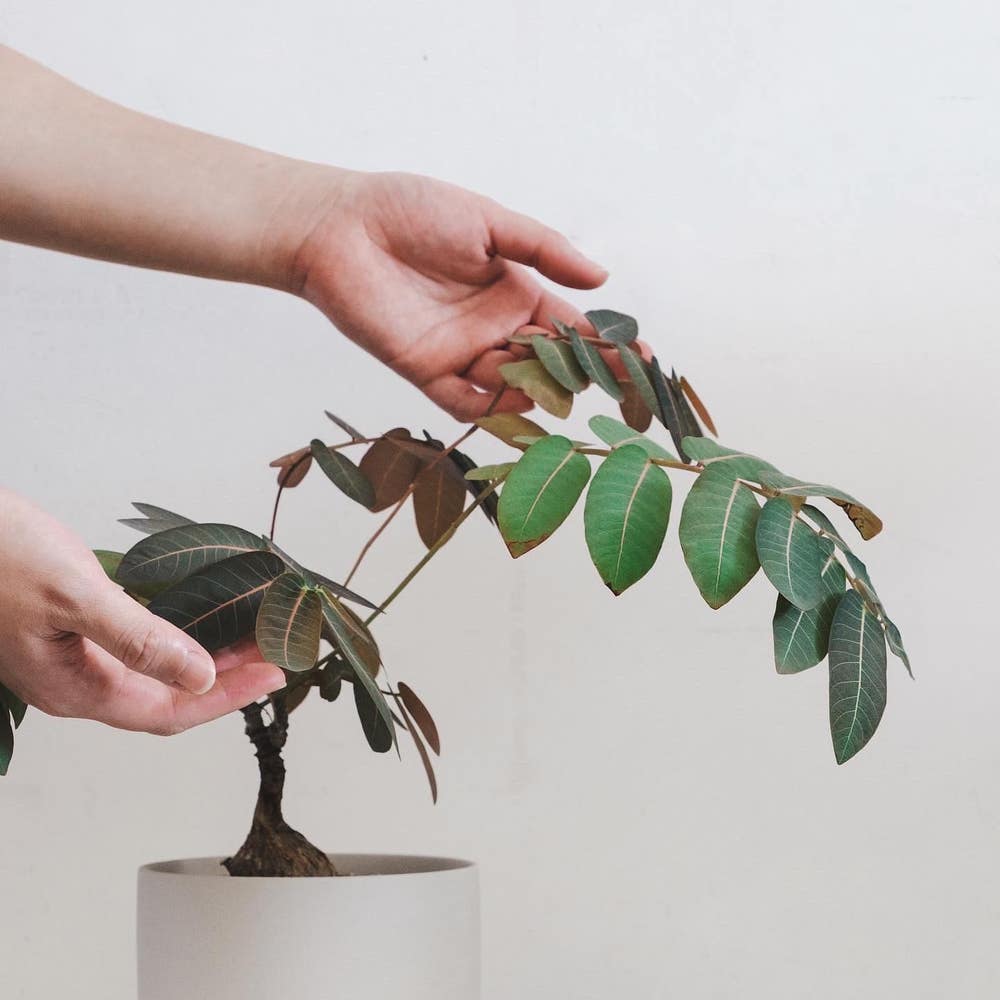
For mature Indian gooseberry plants, opt for pots that are 12-18 inches in diameter. This size accommodates their larger root systems and provides ample space for growth.
Keep in mind the variety of your plant. North Indian types may require slightly different considerations than South Indian varieties. Additionally, ensure the pot is at least 12 inches deep to support healthy root development.
With the right pot sizes, your Indian gooseberry plants will flourish, setting the stage for a bountiful harvest. Next, let’s explore the various pot materials that can enhance your gardening experience.
Pot Materials
Advantages and Disadvantages of Clay Pots 🌱
Clay pots are a popular choice for many gardeners, especially for growing Indian gooseberries. Their breathability promotes healthy root systems, allowing air and moisture to circulate effectively.
However, they come with some drawbacks. Clay pots can be heavy and cumbersome to move around, which might be a hassle if you like to rearrange your garden. Additionally, they tend to dry out faster than other materials, requiring more frequent watering.
Advantages and Disadvantages of Plastic Pots ♻️
Plastic pots offer a lightweight and cost-effective alternative. They are easy to handle, making them a great option for those who may struggle with heavier materials.
On the downside, plastic pots are less breathable, which can lead to root rot if drainage isn't managed properly. Moreover, they raise environmental concerns since they are not biodegradable, contributing to plastic waste.
Other Materials to Consider 🏺
Ceramic pots are another attractive option. They can add a touch of elegance to your garden but often come with a higher price tag and added weight.
Biodegradable pots are eco-friendly and decompose over time, making them a sustainable choice. However, they may not provide the long-term support that more durable materials offer.
Choosing the right pot material is crucial for the health of your Indian gooseberry. Each option has its pros and cons, so consider your gardening style and the specific needs of your plants. Next, let’s explore the importance of drainage in pot selection.
Drainage Considerations
🌊 Importance of Drainage Holes
Proper drainage is crucial for the health of your Indian gooseberry plant. Without adequate drainage holes, water can accumulate, leading to waterlogging and root rot.
To prevent these issues, it's recommended to have at least 3-5 drainage holes in your pot. This ensures excess water can escape, keeping the roots healthy and thriving.
🏺 How to Ensure Proper Drainage in Pots
Choosing the right pot is the first step in ensuring proper drainage. Look for pots that come with built-in drainage systems to make your life easier.
You can also enhance drainage by adding a layer of gravel or stones at the bottom of the pot. Additionally, using potting soil specifically designed for good drainage can make a significant difference.
🚨 Signs of Poor Drainage and Their Impact
Keep an eye out for symptoms of poor drainage, such as yellowing leaves or wilting, even when you’ve watered adequately. These signs indicate that your plant may be struggling with excess moisture.
Long-term effects of poor drainage can be severe, leading to stunted growth and increased susceptibility to diseases. Addressing drainage issues promptly can save your plant from serious harm.
In summary, ensuring proper drainage is vital for the health of your Indian gooseberry. With the right pot and drainage practices, you can foster a thriving plant that produces abundant fruit. Next, let’s explore the process of repotting your Indian gooseberry for optimal growth.
Repotting Indian Gooseberry
🕒 When to Repot
Repotting your Indian gooseberry is essential for its health and growth. Look for signs like roots growing out of the drainage holes or stunted growth, which indicate it's time for a new home.
It's generally recommended to repot every 2-3 years or whenever the plant has outgrown its current pot. Keeping an eye on these indicators ensures your plant thrives.
🪴 How to Choose the Right Pot When Repotting
Selecting the right pot is crucial for your plant's continued success. Aim for a pot that is 2-4 inches larger in diameter than the current one to give the roots room to expand.
Additionally, ensure the new pot has adequate drainage holes. This will help prevent waterlogging, which can lead to root rot.
📋 Step-by-Step Guide to Repotting Indian Gooseberry
Repotting may seem daunting, but following these steps makes it manageable:
- Prepare the new pot with fresh potting soil, ensuring it's suitable for your Indian gooseberry.
- Gently remove the plant from its current pot, taking care not to damage the roots during the process.
- Inspect the roots for any signs of rot and trim away any unhealthy sections if necessary.
- Place the plant in the new pot, ensuring it is centered and at the same depth as it was before.
- Fill in with potting soil, firming it gently around the roots to eliminate air pockets.
- Water thoroughly to settle the soil and ensure the roots have good contact with the new medium.
Following these steps will help your Indian gooseberry flourish in its new environment. With proper care and attention, your plant will continue to grow strong and healthy.
As you consider repotting, remember that the right pot choice can significantly impact your plant's growth and overall health. Next, let's explore how the choice of pot affects growth and development.
Impact of Pot Choice on Growth
🌱 How Size Affects Root Development
Choosing the right pot size is crucial for the health of your Indian gooseberry. Larger pots provide ample space for root systems to expand, which promotes healthier growth and better nutrient uptake.
Conversely, shallow pots can restrict root expansion. This limitation often leads to nutrient deficiencies, stunted growth, and an overall decline in plant vitality.
🏺 Influence of Material on Moisture Retention and Temperature
The material of your pot plays a significant role in moisture retention. Clay pots are excellent for evaporation, helping to prevent overwatering, which is a common pitfall for many gardeners.
On the other hand, plastic pots retain moisture longer. This characteristic requires careful monitoring to avoid waterlogged conditions that can harm your plant.
🌿 Long-Term Health Implications of Pot Selection
Selecting the right pot can have lasting effects on your Indian gooseberry's fruit production and overall health. A well-chosen pot fosters a thriving environment, leading to bountiful harvests.
Additionally, opting for sustainable materials not only benefits your plant but also enhances your gardening experience. It aligns with health-conscious practices, making you feel good about your choices while nurturing your green companion.
As you consider your pot options, remember that the right choice can set the stage for a flourishing garden. Next, let’s explore the essential aspects of repotting your Indian gooseberry for continued growth and vitality.
⚠️ Safety First
This content is for general information and may contain errors, omissions, or outdated details. It is not medical, veterinary advice, or an endorsement of therapeutic claims.
Always consult a qualified healthcare professional before using any plant as food, medicine, or supplement.
Never eat any plant (or feed one to pets) without confirming its identity with at least two trusted sources.
If you suspect poisoning, call Poison Control (800) 222-1222, the Pet Poison Helpline (800) 213-6680, or your local emergency service immediately.
Spotted an error? Please report it here.
Choose the perfect pot for your Indian gooseberry 🌱 with Greg's tailored reminders and expert tips to ensure your plants thrive and produce bountiful fruit!