Determining What Might Be Eating Your Indian Gooseberry 🐭
Phyllanthus emblica
By the Greg Editorial Team
Nov 09, 2024•7 min read
This article was created with the help of AI so we can cover more plants for you. May contain errors. See one? Report it here.
Safeguard your Indian gooseberry from pests while inviting nature's helpers for a flourishing garden! 🌿
- 🦌 Deer and rabbits threaten Indian gooseberries, causing significant damage and reduced yields.
- 🌱 Signs of herbivores include chewed leaves and droppings; monitor plants closely.
- 🚫 Effective deterrents like fencing and repellents can protect your Indian gooseberries.
Appearance and Attractive Parts
🌱 Description
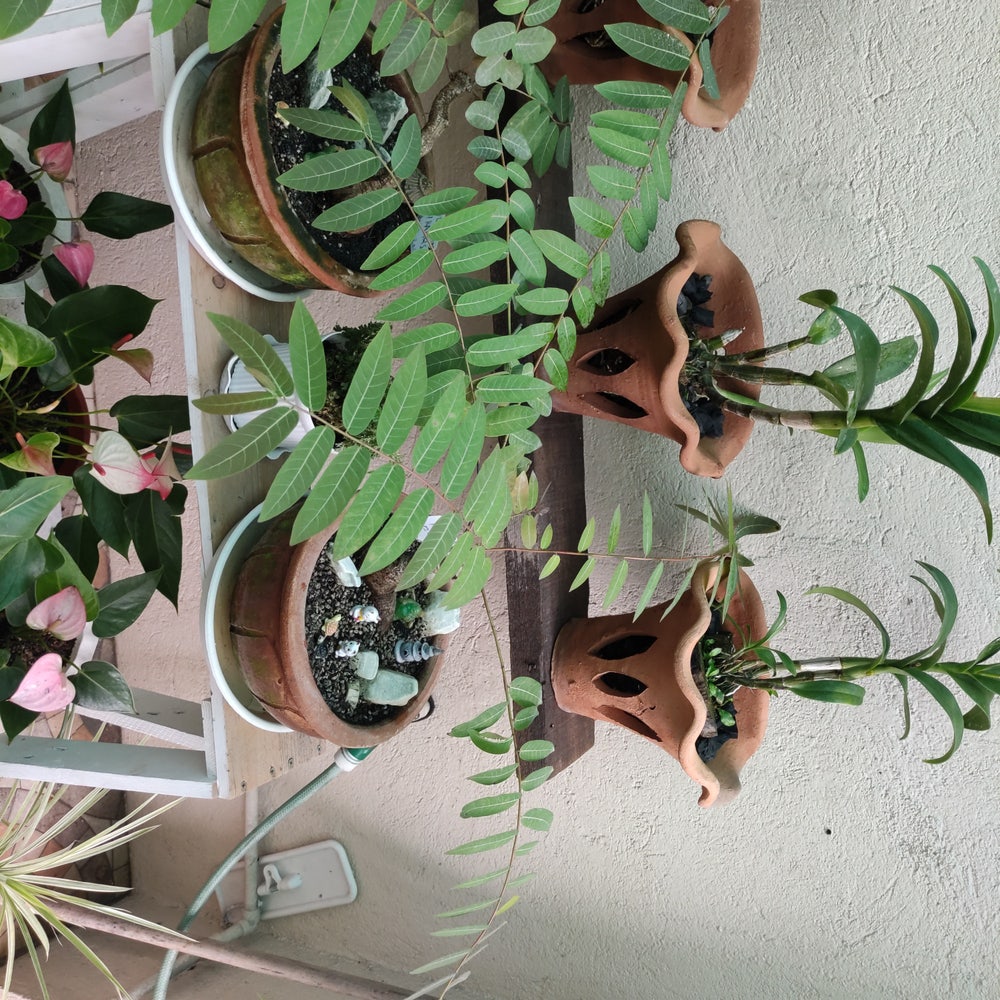
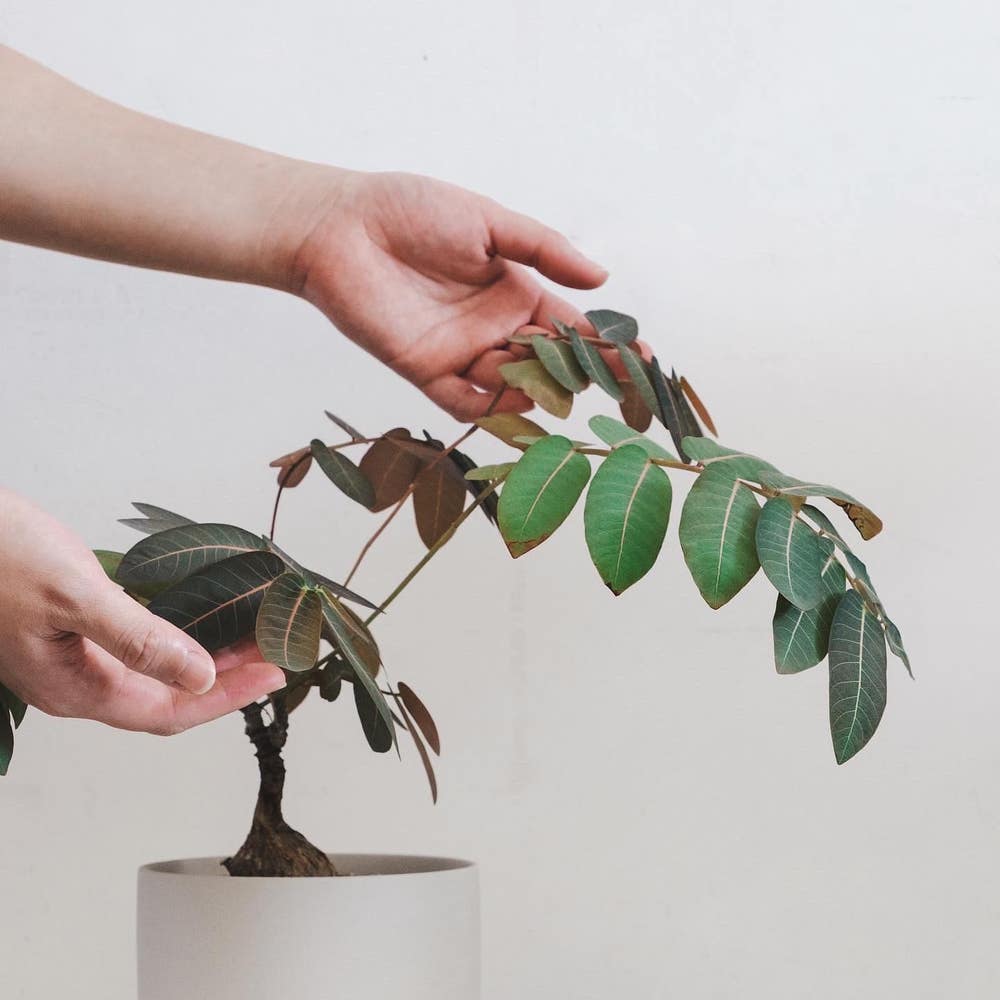
The Indian gooseberry, a deciduous tree or shrub, typically grows between 3 to 10 meters (10 to 33 feet) tall. Its small, oval, and glossy leaves are arranged in pairs, creating a lush green canopy.
The fruit is small and round, ranging from green to yellowish hues, and measures about 1 to 2 inches in diameter. Additionally, the presence of thorns on its branches can deter larger herbivores from munching on this delightful plant.
🐾 Parts Attractive to Animals
The fruits of the Indian gooseberry are nutrient-rich and high in vitamin C, making them particularly appealing to many herbivores. Their sour taste is a magnet for animals looking for a tasty snack.
Fragrant flowers bloom in abundance, attracting not only pollinators but also some herbivores. Young shoots are tender and nutritious, often targeted by smaller animals eager for a fresh meal.
This combination of appealing fruits, fragrant flowers, and tender shoots makes the Indian gooseberry a popular choice among various wildlife. Understanding these attractive parts is crucial for managing potential herbivore interactions effectively.
As we explore the common herbivores that might be drawn to this plant, it's essential to recognize how these interactions can impact its health and yield.
Common Herbivores
🦌 Deer
Signs of Presence and Damage
Deer are notorious for their browsing habits. Look for irregularly chewed leaves and stripped branches, along with hoof prints near your Indian gooseberry plants.
Impact
Their presence can be quite detrimental. Deer can severely reduce fruit yield and overall plant health, making them a significant threat to your garden.
Deterrent Methods
To keep deer at bay, consider using commercial deer repellents with strong scents. Alternatively, erecting an 8-foot tall fence or planting deer-resistant companion plants can be effective organic solutions.
🐇 Rabbits
Signs of Presence and Damage
Rabbits often leave clear signs of their activity. Chewed stems and leaves at ground level, along with droppings near the plant, indicate their presence.
Impact
These furry pests can cause stunted growth and reduced fruit production. Their appetite for young shoots can be particularly damaging.
Deterrent Methods
Bitter-tasting sprays can deter rabbits effectively. Additionally, using fencing or natural repellents like cayenne pepper or garlic can help protect your plants.
🐿️ Squirrels
Signs of Presence and Damage
Squirrels can be quite destructive as well. Look for gnawed fruits and branches, along with scattered debris and nesting signs in nearby trees.
Impact
Their activities can damage fruits and disrupt growth. Squirrels are generally harmful to your Indian gooseberry plants.
Deterrent Methods
To deter squirrels, consider using repellents that contain capsaicin. Scare tactics, such as reflective tape or noise makers, can also be effective.
🐦 Birds
Signs of Presence and Damage
Birds can be both friends and foes. Look for pecks on fruits and droppings around the plant, as well as nesting in nearby branches.
Impact
While some birds assist with pollination, many will feast on your fruits. This mixed impact can complicate your gardening efforts.
Deterrent Methods
Bird netting is a straightforward chemical solution to protect your fruits. For an organic approach, use scare devices like shiny objects or decoys.
🐭 Rodents
Signs of Presence and Damage
Rodents leave distinct signs of their presence. Look for tunnels or burrows near the base of the plant, along with gnawed roots and stems.
Impact
These pests can cause significant root damage and plant decline. Their activities are generally harmful to your Indian gooseberry.
Deterrent Methods
Rodent bait stations can be an effective chemical deterrent. Alternatively, traps and planting mint or other deterrent plants can help keep them away organically.
🦡 Groundhogs/Woodchucks
Signs of Presence and Damage
Groundhogs are easy to spot with their large holes dug near the plant. Chewed foliage and tracks or droppings in the vicinity also indicate their presence.
Impact
These animals can decimate young plants and significantly reduce yields. Their impact is generally harmful to your garden.
Deterrent Methods
Commercial repellents with strong odors can deter groundhogs effectively. For a more organic solution, consider fencing buried 12 inches deep or planting deterrent plants.
Understanding these common herbivores and their impacts is crucial for protecting your Indian gooseberry. With the right deterrent methods, you can safeguard your plants and enjoy a fruitful harvest.
Beneficial Animals
🐝 Description
When it comes to the Indian gooseberry, not all animals are foes. Pollinators like bees and butterflies flock to its fragrant flowers, playing a crucial role in the plant's reproductive cycle.
Birds also contribute positively by feeding on harmful insects. Their presence helps maintain a natural balance in the ecosystem, ensuring that pests don’t overwhelm your plants.
🌱 Positive Impacts
The benefits of these beneficial animals are significant. Enhanced pollination from bees and butterflies leads to a better fruit set, meaning more delicious gooseberries for you to enjoy.
Additionally, predatory birds and insects keep pest populations in check. This natural pest control reduces the need for chemical interventions, promoting a healthier garden environment.
Protection Strategies
🛡️ Preventive Measures
Preventing damage to your Indian gooseberry starts with effective barriers. Fencing is a straightforward solution; installing a sturdy barrier can deter larger herbivores like deer and groundhogs.
Another effective strategy is companion planting. By incorporating plants that naturally repel herbivores, you can create a protective environment for your gooseberries.
⚠️ Reactive Solutions
Even with preventive measures, monitoring is crucial. Regular monitoring allows you to check for signs of animal activity, ensuring you catch any issues early.
When you notice damage, take immediate action. Implement deterrents as soon as you spot signs of herbivory to minimize further impact on your plants.
🌱 Balancing Ecosystem Health
It's essential to maintain a healthy ecosystem around your Indian gooseberry. Encouraging beneficial species can help manage harmful ones, creating a balanced environment.
Consider employing integrated pest management (IPM) strategies. This approach combines various methods to control pests while promoting the health of beneficial insects and animals.
By implementing these protection strategies, you can safeguard your Indian gooseberry while fostering a thriving garden ecosystem. Next, let’s explore the seasonal considerations that affect animal activity and plant vulnerability.
Seasonal Considerations
🐇 Variations in Attraction
As the seasons change, so do the animals drawn to your Indian gooseberry. In spring, expect a surge in activity from rabbits and deer, both eager to munch on the fresh, tender growth.
By summer, the focus shifts. Birds flock to the ripening fruits, lured by their vibrant colors and sweet aroma.
⏳ Timing of Vulnerability
The vulnerability of your Indian gooseberry peaks during the fruiting season, which typically spans late summer to early fall. This is when the fruits are most enticing, and the risk of damage from hungry animals is at its highest.
To protect your plants, keep a close eye on animal behavior as the seasons shift. Understanding these patterns can help you implement effective protection strategies just in time.
Toxicity and Interaction
Toxic Effects 🍏
The Indian gooseberry, while a nutritional powerhouse, has some mild toxicity in certain parts, particularly in its unripe fruits. This toxicity can deter some herbivores, making them think twice before munching on these sour delights.
Implications for Management 🌱
Understanding which animals might avoid the Indian gooseberry due to its toxicity is crucial for effective management. By recognizing these interactions, you can tailor your strategies to protect your plants while also considering the ecological balance in your garden.
Monitoring animal behavior and adjusting your management tactics based on these interactions can lead to healthier plants and a thriving garden ecosystem. This approach not only safeguards your crops but also fosters a deeper connection with the natural world around you.
⚠️ Safety First
This content is for general information and may contain errors, omissions, or outdated details. It is not medical, veterinary advice, or an endorsement of therapeutic claims.
Always consult a qualified healthcare professional before using any plant as food, medicine, or supplement.
Never eat any plant (or feed one to pets) without confirming its identity with at least two trusted sources.
If you suspect poisoning, call Poison Control (800) 222-1222, the Pet Poison Helpline (800) 213-6680, or your local emergency service immediately.
Spotted an error? Please report it here.
Protect your Indian gooseberry from pesky herbivores 🦌 by using Greg's tailored care tips and reminders to ensure a bountiful harvest this season!