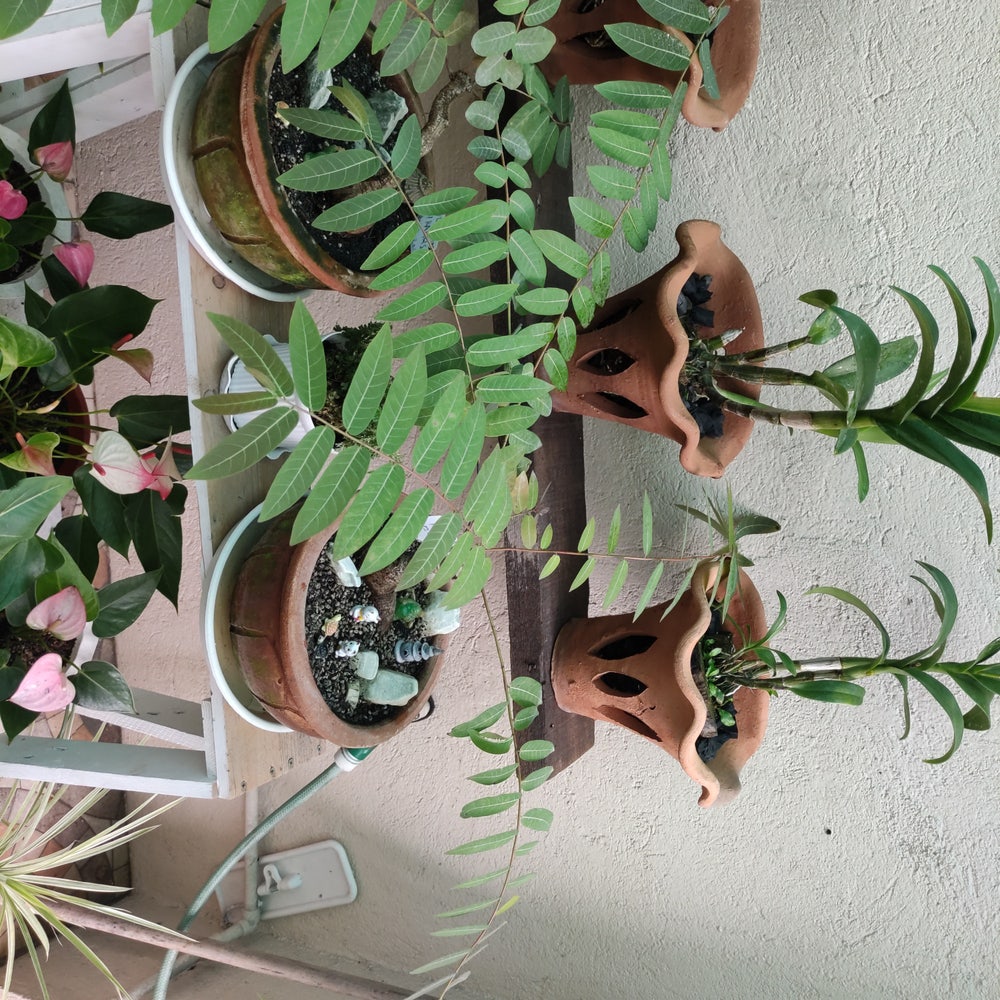
10 Tips for Growing Indian Gooseberry Outdoors 🍇
Phyllanthus emblica
By the Greg Editorial Team
Nov 09, 2024•6 min read
This article was created with the help of AI so we can cover more plants for you. May contain errors. See one? Report it here.
Cultivate a bountiful harvest of Indian gooseberries with essential sunlight and care tips! 🌞🌱
- ☀️ Indian gooseberries need 6-8 hours of sunlight daily for healthy growth.
- 💧 Regular watering is vital, especially in the first year, for strong roots.
- 🌱 Well-drained soil with pH 6.0-7.0 ensures optimal nutrient availability for growth.
Sunlight Needs
Ideal Sunlight Exposure 🌞
To thrive, Indian gooseberries need full sun exposure, requiring 6-8 hours of direct sunlight daily. This ample sunlight is crucial for robust fruit production and the overall health of the plant.
Effects of Insufficient Sunlight 🌥️
When these plants don’t receive enough sunlight, they can experience stunted growth and reduced fruit yield. Additionally, insufficient light makes them more vulnerable to pests and diseases, which can further hinder their development.
By ensuring your Indian gooseberries bask in the sun, you set the stage for a fruitful harvest. Next, let’s explore the watering requirements and techniques essential for their growth.
Watering Requirements and Techniques
🌧️ General Watering Guidelines
Watering is crucial for the healthy growth of Indian gooseberries, especially during their first year. Regular watering during dry spells helps establish strong roots, but once the plants are established, they can tolerate short periods without water.
💧 Watering Techniques
To ensure your plants thrive, consider using the deep watering method. This technique allows moisture to penetrate the root zone, promoting robust growth.
Drip irrigation is another effective option. It delivers water directly to the roots, minimizing evaporation and ensuring efficient water use.
🚨 Signs of Overwatering and Underwatering
It's essential to monitor your plants for signs of water stress. Overwatering can lead to yellowing leaves and root rot, signaling that your plants are drowning.
On the other hand, underwatering manifests as wilting leaves and dry soil. Keeping an eye on these indicators will help you maintain the right balance for your Indian gooseberries.
With proper watering techniques and attention to your plants' needs, you can foster a thriving environment for your Indian gooseberries. Next, let's explore the ideal soil preferences and fertilization strategies to further enhance their growth.
Soil Preferences and Fertilization
Ideal Soil Conditions 🌱
To grow Indian gooseberries successfully, start with well-drained soil. Good drainage is crucial to prevent root rot, which can devastate your plants.
Aim for a soil pH between 6.0 and 7.0, as slightly acidic to neutral conditions are ideal. This pH range supports nutrient availability, promoting healthy growth and fruit production.
Fertilization Schedule 🗓️
When it comes to fertilization, a balanced NPK fertilizer or organic options are your best bets. Applying fertilizer in early spring, just before new growth begins, sets your plants up for success.
For ongoing nourishment, fertilize every 4-6 weeks during the growing season. This regular feeding helps sustain growth and enhances fruit yield, ensuring your Indian gooseberries thrive.
By understanding soil preferences and maintaining a consistent fertilization schedule, you’ll create a robust foundation for your plants. Next, let’s explore the best planting options for your Indian gooseberries.
Planting Options
When it comes to growing Indian gooseberries, choosing the right planting method is crucial. You can opt for container gardening or ground planting, each with its own set of benefits and drawbacks.
🪴 Container Gardening
Benefits
Container gardening offers remarkable mobility. You can easily relocate your plants to ensure they receive optimal sunlight or protection from harsh weather.
Additionally, it provides a controlled environment. This means you can better manage soil quality and watering, making it easier to create ideal growing conditions.
Drawbacks
However, container gardening has its limitations. The limited root space can lead to stunted growth, as the roots may not have enough room to expand.
Moreover, containers tend to dry out faster, necessitating increased watering frequency. This can be a challenge, especially during hot spells.
🌱 Ground Planting
Benefits
Ground planting allows for more space for root development. This promotes healthier growth and can lead to a more robust plant.
Another advantage is natural moisture retention. Plants in the ground typically require less frequent watering, as the soil can hold moisture better than containers.
Drawbacks
On the downside, ground planting offers less control over soil conditions. This can lead to issues like poor drainage or nutrient deficiencies, which can affect plant health.
Additionally, once planted, the location is permanent. If conditions turn out to be less than ideal, relocating your plants can be quite difficult.
Choosing between container and ground planting ultimately depends on your specific circumstances and preferences. Each method has its unique advantages and challenges, so consider what works best for your gardening goals.
Next, let’s explore effective protection strategies and seasonal care to ensure your Indian gooseberries thrive throughout the year.
Protection Strategies and Seasonal Care
🌧️ Weather Protection Techniques
Mulching is a game-changer for your Indian gooseberry plants. It helps retain soil moisture and regulates temperature, creating a stable environment for growth.
Windbreaks are also essential. Planting shrubs or trees around your garden can shield your plants from strong winds, which can cause damage and stress.
🐛 Outdoor Pests and Management
Identifying Common Pests
Aphids are a common nuisance, and their presence is often indicated by curled leaves and a sticky residue on the plant. Keep an eye out for these signs to catch infestations early.
Fruit flies can also be problematic, especially as fruits begin to ripen. They can cause significant damage, so vigilance is key.
Management Strategies
For pest control, consider using neem oil and insecticidal soap. These organic options are effective and safer for the environment.
Regular inspections of your plants will help with early detection and intervention. The sooner you spot a problem, the easier it is to manage.
🍂 Seasonal Care Tips
Spring
Spring is the perfect time for pruning. Remove any dead or damaged branches to encourage new growth and improve air circulation.
Fertilization should also be on your to-do list. Applying a balanced fertilizer as growth resumes will give your plants the nutrients they need to thrive.
Summer
As temperatures rise, increased watering becomes crucial. Monitor soil moisture closely during hot months to prevent stress on your plants.
Stay vigilant against common summer pests. Regular checks will help you catch any issues before they escalate.
Fall
Harvesting should be timed for optimal fruit ripeness. This ensures you enjoy the best flavor and quality from your Indian gooseberries.
Adding a layer of mulch in the fall is also beneficial. It protects roots from the cold and helps retain moisture as temperatures drop.
Winter
Frost protection is vital during extreme cold spells. Covering your plants can prevent frost damage and ensure they survive the winter.
Finally, reduce watering frequency in winter. With lower evaporation rates, your plants will need less water during this dormant period.
These protection strategies and seasonal care tips will help your Indian gooseberry thrive throughout the year. By staying proactive, you can ensure a healthy and fruitful harvest. Next, let’s explore the climate considerations that will further enhance your gardening success.
Climate Considerations
🌞 Best Climate Zones
Indian gooseberry thrives best in USDA hardiness zones 9-11. These zones provide the warmth and sunlight necessary for optimal growth and fruit production.
🌍 Adaptability to Different Conditions
This resilient plant can adapt to various climates with the right care.
Hot, Dry Climates
In hot, dry areas, it's essential to increase watering and apply mulch. This helps retain soil moisture and protects the roots from extreme heat.
Humid Climates
For humid environments, focus on ensuring proper drainage. This prevents waterlogging and reduces the risk of diseases that thrive in moist conditions.
By understanding these climate considerations, you can create an ideal environment for your Indian gooseberry plants. This knowledge sets the stage for effective care and management, ensuring a fruitful harvest.
⚠️ Safety First
This content is for general information and may contain errors, omissions, or outdated details. It is not medical, veterinary advice, or an endorsement of therapeutic claims.
Always consult a qualified healthcare professional before using any plant as food, medicine, or supplement.
Never eat any plant (or feed one to pets) without confirming its identity with at least two trusted sources.
If you suspect poisoning, call Poison Control (800) 222-1222, the Pet Poison Helpline (800) 213-6680, or your local emergency service immediately.
Spotted an error? Please report it here.
Grow juicy Indian gooseberries outdoors with Greg's personalized watering reminders and sunlight tips to ensure your plants thrive! 🌞