5 Do's and Don'ts of Growing Indian Gooseberry 🍇
Phyllanthus emblica
By the Greg Editorial Team
Nov 09, 2024•5 min read
This article was created with the help of AI so we can cover more plants for you. May contain errors. See one? Report it here.
Cultivate thriving Indian gooseberries with expert tips for a fruitful harvest! 🍇🌱
- 🌞 Indian gooseberries need 6-8 hours of sunlight daily for optimal growth.
- 🌱 Proper spacing of 3-5 meters prevents disease and promotes air circulation.
- 🍇 Harvest when fruit turns greenish-yellow and feels slightly soft for best flavor.
Choosing the Right Location
🌞 Sunlight Requirements
To thrive, Indian gooseberry plants need full sun exposure, ideally receiving 6-8 hours of direct sunlight each day. This sunlight is crucial for robust fruit production and overall plant health, so choose a spot that basks in the sun.
🌡️ Climate Considerations
The ideal temperature range for growing Indian gooseberries is between 20°C to 35°C (68°F to 95°F). While these plants can tolerate drought conditions once established, they prefer regular watering during the growing season to flourish.
📏 Space and Layout
For outdoor planting, it's recommended to space your Indian gooseberry plants 3-5 meters apart. This spacing allows for optimal air circulation, which is essential for preventing diseases.
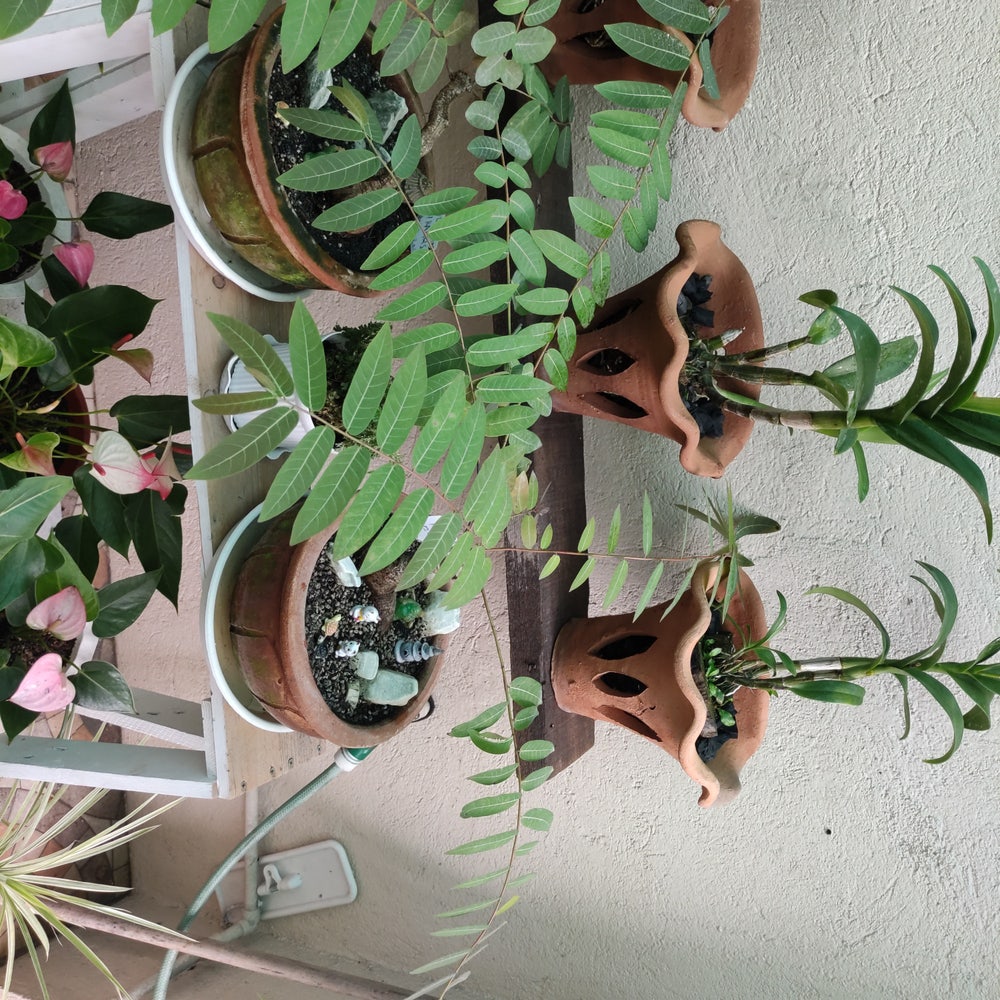
If you're considering container gardening, select pots with a minimum diameter of 18 inches. This size ensures that the roots have enough space to grow and develop properly, leading to healthier plants.
With the right location chosen, you're setting the stage for a successful growing experience. Next, let's dive into soil preparation and planting techniques to ensure your Indian gooseberries get the best start possible.
Soil Preparation and Planting Techniques
🌱 Soil Preparation
Preparing the soil is crucial for the health of your Indian gooseberry plants. Start by testing the soil pH and nutrient levels to ensure optimal growing conditions.
Next, amend the soil with organic matter if necessary. This can include compost or well-rotted manure, which enriches the soil and improves its structure.
Finally, till the soil to a depth of 12-15 inches. This aeration process enhances root growth and allows for better water retention.
🌿 Planting Process
Timing is everything when it comes to planting. The best times to plant Indian gooseberries are early spring or late fall, aligning with their natural growth cycles.
When you're ready to plant, dig a hole that is twice the width of the root ball and slightly deeper. This gives the roots ample space to spread out.
Place the plant in the hole, ensuring that the root collar is level with the soil surface. This positioning is vital for the plant's stability and health.
Backfill the hole with soil, making sure to water thoroughly afterward. This step helps eliminate air pockets, ensuring that the roots make good contact with the soil.
With proper soil preparation and planting techniques, your Indian gooseberry plants will have a strong foundation to thrive. Next, let’s explore how to care for your plants through watering and fertilizing.
Watering and Fertilizing
💧 Watering Requirements
Regular watering is crucial for the health of your Indian gooseberry plants. During the growing season, aim to water them 1-2 times per week, adjusting based on rainfall and soil moisture levels.
Monitor the soil closely; if it feels dry an inch below the surface, it’s time to water. This ensures your plants receive the hydration they need without becoming waterlogged.
🌱 Fertilizing Schedule
Fertilization plays a key role in promoting robust growth. Start with an initial fertilization at planting time to give your plants a strong foundation.
For ongoing care, fertilize every 4-6 weeks during the growing season. A balanced NPK fertilizer, such as 10-10-10, works well, but don’t overlook organic options like fish emulsion for a nutrient boost.
By following these watering and fertilizing guidelines, you’ll set your Indian gooseberry plants up for success. Next, let’s explore the essential pruning methods to keep your plants healthy and productive.
Pruning and Ongoing Care
✂️ Pruning Methods
Pruning is essential for maintaining the health and productivity of your Indian gooseberry plants. The best time to prune is late winter or early spring, just before new growth begins.
Start by removing any dead or diseased branches. This step is crucial to prevent the spread of disease and to encourage healthy growth.
Next, thin out crowded areas. This practice improves light penetration and air circulation, both vital for fruit production.
🌱 Daily Care Practices
Daily care is key to a thriving Indian gooseberry plant. Regularly inspect your plants for pests and diseases, as early detection can save your crop.
Additionally, monitor soil moisture levels closely. Adjust your watering practices based on the moisture content to ensure your plants receive the right amount of water.
By implementing these pruning and care techniques, you’ll set your Indian gooseberry plants up for success. This proactive approach not only enhances growth but also leads to a bountiful harvest.
As you continue caring for your plants, let’s explore common challenges and solutions that may arise in your gardening journey.
Common Challenges and Solutions
🐛 Pest and Disease Management
Managing pests and diseases is crucial for a thriving Indian gooseberry plant. Regular monitoring is key; keep an eye out for common pests like aphids and fruit flies.
Early intervention can save your crop. If you spot any pests, act quickly with organic insecticides or natural remedies to keep them at bay.
🌱 Addressing Growth Issues
Sometimes, growth issues arise despite your best efforts. Start by assessing soil health and nutrient levels; this will help you identify any deficiencies.
Adjust your watering practices based on the plant's needs and ensure it receives adequate sunlight. Creating a stable growing environment will promote healthy growth.
🍇 Harvesting Techniques
Knowing when to harvest is essential for enjoying the best flavor. Look for a color change to greenish-yellow and a slight softness in the fruit as indicators of ripeness.
When it's time to harvest, gently twist or cut the fruit from the branch to avoid damaging the plant. After harvesting, clean and store the fruit properly to maintain its freshness.
With these strategies in mind, you can tackle common challenges and enjoy a bountiful harvest of Indian gooseberries. Next, let’s explore the best practices for ongoing care to keep your plants healthy and productive.
⚠️ Safety First
This content is for general information and may contain errors, omissions, or outdated details. It is not medical, veterinary advice, or an endorsement of therapeutic claims.
Always consult a qualified healthcare professional before using any plant as food, medicine, or supplement.
Never eat any plant (or feed one to pets) without confirming its identity with at least two trusted sources.
If you suspect poisoning, call Poison Control (800) 222-1222, the Pet Poison Helpline (800) 213-6680, or your local emergency service immediately.
Spotted an error? Please report it here.
Grow bountiful Indian gooseberries 🍇 with Greg's tailored watering reminders and expert care tips that will help you thrive in your gardening adventure!