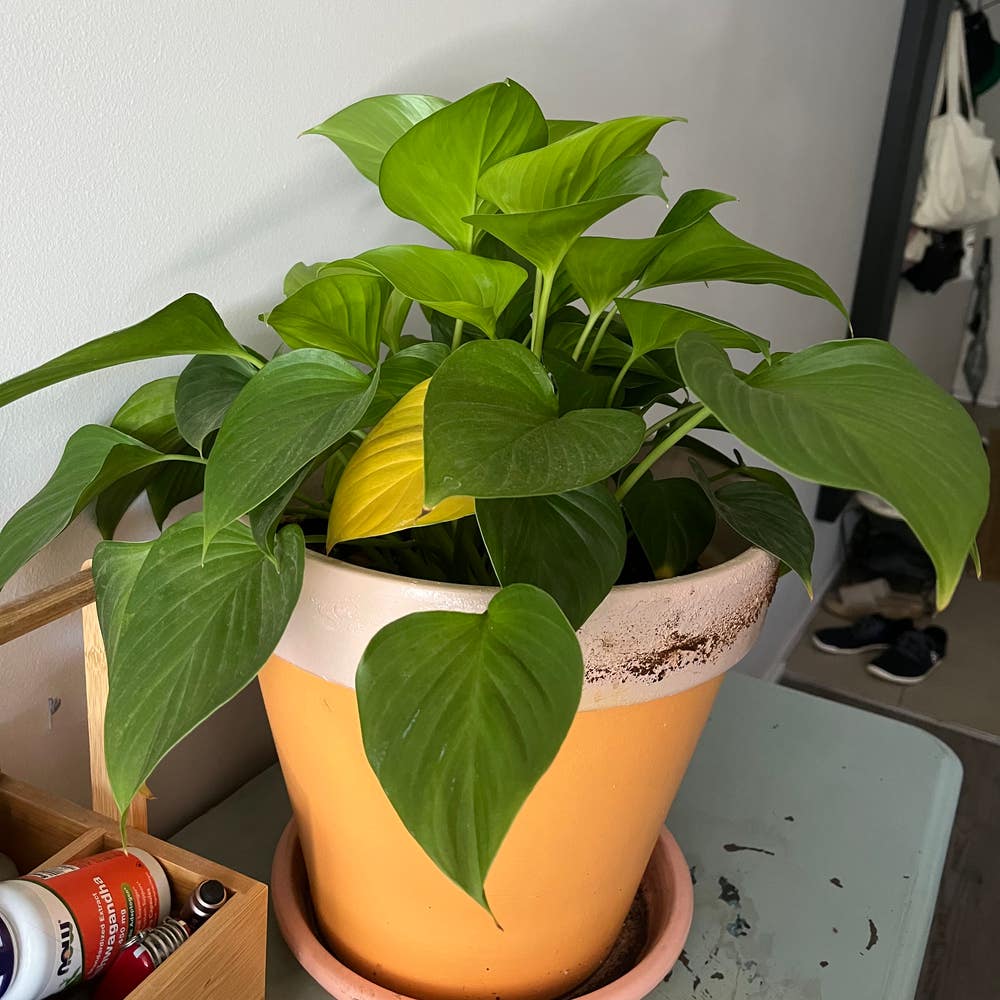
📍 7 Perfect Spots to Grow Homalomena 'Maggy'
Homalomena rubescens 'Maggy'
By the Greg Editorial Team
Nov 07, 2024•5 min read
This article was created with the help of AI so we can cover more plants for you. May contain errors. See one? Report it here.
Create a thriving oasis 🌿 by mastering the perfect conditions for your Homalomena 'Maggy'!
- 🌞 Homalomena 'Maggy' thrives in low to moderate light, ideal for shaded spots.
- 🌿 Use well-draining soil and ensure pots have drainage holes to prevent root rot.
- 🌡️ Maintain 20°C to 30°C for optimal growth and monitor seasonal light changes.
Ideal Locations for Planting
🌞 Sunlight Exposure Requirements
Homalomena 'Maggy' thrives in low to moderate light conditions, making it perfect for shaded areas or spots with indirect sunlight. This plant prefers softer morning light, which is less intense and helps prevent leaf burn.
To assess sunlight exposure, consider the difference between morning and afternoon sun. Morning light is gentler, while afternoon sun can be harsher. You can measure light intensity using light meters or simply by observing how light changes throughout the day.
For optimal indoor placement, position your Homalomena 'Maggy' near north-facing windows. Outdoors, consider placing it under the canopy of taller plants, which can provide the necessary shade and protection.
🏞️ Soil and Drainage Needs
The ideal soil for Homalomena 'Maggy' is well-draining and rich in organic matter. A recommended soil mix consists of equal parts potting soil, peat moss, and perlite, ensuring the plant has the nutrients it needs while preventing waterlogging.
Drainage is crucial for the health of your plant. Always ensure pots or raised beds have drainage holes to avoid stagnant water. Signs of poor drainage include yellowing leaves and root rot, which can quickly spell trouble for your plant.
To retain soil moisture in outdoor settings, consider using mulch. Additionally, keep an eye on your watering frequency to prevent overwatering, which can lead to root issues.
With the right sunlight and soil conditions, your Homalomena 'Maggy' will flourish, setting the stage for a vibrant indoor or outdoor garden. Next, we’ll explore how to assess microclimates and environmental factors that can further enhance your plant's growth.
Microclimates and Environmental Factors
Assessing Microclimates 🌡️
Understanding microclimates is key to successfully growing Homalomena 'Maggy'. These localized areas can differ significantly in sun exposure, wind patterns, and moisture levels, all of which influence plant health.
To identify microclimates, observe temperature variations in different parts of your garden. Areas that receive more sunlight or are sheltered from wind can create a more favorable environment for your plants.
Utilizing Microclimates for Optimal Growth 🌱
Position your Homalomena 'Maggy' in spots that maintain consistent warmth and humidity. This can enhance growth and overall vitality, making your plant thrive in its surroundings.
Wind Protection Strategies 🌬️
Wind protection is crucial for the health of your Homalomena 'Maggy'. These plants are sensitive to cold drafts and strong winds, which can lead to leaf tearing and drying out.
To shield your plants from harsh winds, consider planting them near natural windbreaks like hedges or fences. Additionally, using garden structures such as trellises or screens can provide extra protection, ensuring your plant remains safe and healthy.
By understanding and utilizing microclimates and implementing effective wind protection strategies, you can create an ideal environment for your Homalomena 'Maggy'. This sets the stage for vibrant growth and resilience, leading to a flourishing indoor or outdoor garden.
Next, we will explore the importance of proximity to other plants and structures, focusing on companion planting and resource management.
Proximity to Other Plants and Structures
🌱 Companion Planting Considerations
Choosing the right companion plants for your Homalomena 'Maggy' can significantly enhance its growth. Look for plants that share similar light and humidity needs, such as ferns and peace lilies, to create a harmonious environment.
Companion planting not only boosts humidity levels through transpiration but also fosters a diverse ecosystem. This diversity can lead to healthier plants, as they support each other in nutrient uptake and pest resistance.
⚔️ Avoiding Competition for Resources
Proper spacing is crucial to prevent competition for resources among plants. Ensure that your Homalomena 'Maggy' has enough room to thrive, as signs of overcrowding include stunted growth and yellowing leaves.
To manage resources effectively, regularly monitor soil moisture and nutrient levels. Adjust plant placements based on their growth patterns to maintain a balanced garden ecosystem.
By considering these factors, you can create an optimal environment for your Homalomena 'Maggy' while promoting the health of neighboring plants. This thoughtful approach will lead to a thriving garden space that benefits all its inhabitants.
Assessing and Choosing the Best Spot
🌞 Evaluating Light and Temperature Variations
To ensure your Homalomena 'Maggy' thrives, start by evaluating light conditions. Observe how light patterns shift throughout the day, noting which areas receive the most indirect sunlight.
You can also use reflective surfaces, like mirrors or light-colored walls, to enhance light availability. This simple trick can help maximize the light your plant receives without exposing it to harsh direct rays.
Temperature is another critical factor. Aim to keep your plant in an ideal temperature range of 20°C to 30°C (68°F to 86°F).
Avoid placing it in areas with extreme temperature fluctuations, as this can stress the plant and hinder its growth.
🍂 Seasonal Changes and Their Impact on Location
Understanding seasonal changes is vital for optimal plant health. Light intensity and duration vary throughout the year, which can affect your plant's growth.
Adjust indoor placements according to seasonal temperature variations. For instance, during colder months, consider moving your Homalomena 'Maggy' closer to a heat source or into a brighter room.
Preparing for seasonal shifts is essential. Monitor outdoor conditions and provide additional protection as needed, especially during unexpected cold snaps.
This proactive approach will help your plant flourish year-round, ensuring it remains a vibrant addition to your space.
⚠️ Safety First
This content is for general information and may contain errors, omissions, or outdated details. It is not medical, veterinary advice, or an endorsement of therapeutic claims.
Always consult a qualified healthcare professional before using any plant as food, medicine, or supplement.
Never eat any plant (or feed one to pets) without confirming its identity with at least two trusted sources.
If you suspect poisoning, call Poison Control (800) 222-1222, the Pet Poison Helpline (800) 213-6680, or your local emergency service immediately.
Spotted an error? Please report it here.
Position your Homalomena 'Maggy' just right for maximum growth 🌿, and let Greg guide you with tailored care tips and reminders to keep it thriving all year round!