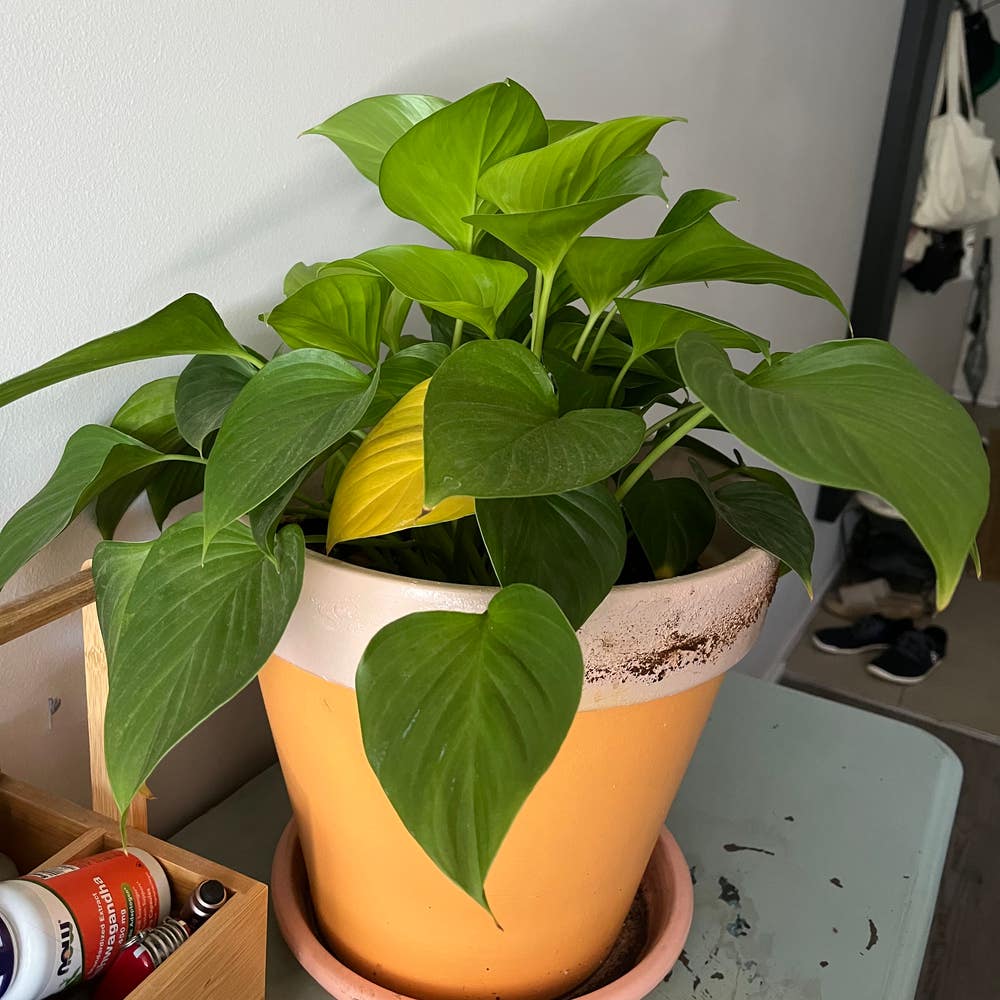
Ultimate Guide to Winter Care for Homalomena 'Maggy' ❄️
Homalomena rubescens 'Maggy'
By the Greg Editorial Team
Nov 07, 2024•3 min read
This article was created with the help of AI so we can cover more plants for you. May contain errors. See one? Report it here.
Ensure your Homalomena 'Maggy' thrives this winter with vital tips on watering, humidity, and frost protection! ❄️🌱
- 💧 Water every 2-3 weeks in winter, allowing top soil to dry out.
- 🌬️ Maintain humidity above 50% using humidifiers or pebble trays for optimal growth.
- ❄️ Protect from frost by avoiding cold drafts and monitoring indoor temperatures.
Winter Care Requirements
🌊 Adjusting Watering Schedules During Winter
During winter, it's crucial to adjust your watering schedule for your Homalomena 'Maggy'. Allow the top 1-2 inches of soil to dry out between waterings to prevent overwatering.
Watch for signs of overwatering, such as yellowing leaves and root rot. Ensuring your plant has well-draining soil is essential for its health. A recommended watering schedule is every 2-3 weeks, but this can vary based on indoor humidity levels.
❄️ Fertilizing Needs in Winter Months
When it comes to fertilizing during the winter, less is more. It's best to minimize or completely halt fertilization until spring when growth resumes.
Use a balanced, water-soluble fertilizer once the plant starts to show signs of new growth. This approach helps prevent fertilizer burn during the low growth period, ensuring your plant remains healthy.
🌬️ Importance of Humidity and How to Maintain It Indoors
Homalomena 'Maggy' thrives in humidity levels of 50% or higher. Maintaining this humidity is vital for its well-being during the dry winter months.
To boost humidity, consider these methods:
- Use a humidifier in the room.
- Place a tray of water with pebbles beneath the pot.
- Group your plants together to create a microclimate.
For accurate humidity readings, use a hygrometer. This tool helps you monitor levels and adjust your methods accordingly.
🥶 Protection from Frost
Identifying Frost Sensitivity
Understanding your plant's sensitivity to frost is essential. Signs include leaf browning, wilting, and an overall decline in health.
Recognize that Homalomena 'Maggy' has tropical origins, making it vulnerable to frost. Protecting it from cold temperatures is crucial for its survival.
Methods for Providing Frost Protection
To safeguard your plant indoors, keep it away from cold drafts and windows during frost.
For outdoor care:
- Bring potted plants indoors before frost hits.
- Cover outdoor plants with frost cloths or blankets.
In extreme conditions, utilizing heat mats can provide additional warmth, ensuring your plant stays cozy.
🌱 Spring Preparation and Recovery
Signs of Winter Damage and How to Assess Plant Health
As winter ends, look for indicators of damage such as wilting leaves, discoloration, and stunted growth.
Assessing overall health involves checking root health and leaf condition. This step is vital for determining the best recovery strategy.
Steps for Recovery and Rejuvenation in Spring
- Start by pruning damaged leaves to remove any dead or unhealthy foliage.
- Gradually adjust your watering and fertilizing schedule as growth resumes.
- If necessary, repot using fresh soil to promote healthy root growth.
Transitioning Care from Winter to Spring Growth
As spring approaches, gradually increase light exposure by moving your plant to brighter locations.
Resume regular watering and fertilizing schedules to align with the plant's growth cycle. Keep an eye out for new growth, as this is a positive sign of recovery and health in your Homalomena 'Maggy'.
With these winter care requirements in mind, your plant will be well-prepared to thrive as the seasons change.
⚠️ Safety First
This content is for general information and may contain errors, omissions, or outdated details. It is not medical, veterinary advice, or an endorsement of therapeutic claims.
Always consult a qualified healthcare professional before using any plant as food, medicine, or supplement.
Never eat any plant (or feed one to pets) without confirming its identity with at least two trusted sources.
If you suspect poisoning, call Poison Control (800) 222-1222, the Pet Poison Helpline (800) 213-6680, or your local emergency service immediately.
Spotted an error? Please report it here.
Keep your Homalomena 'Maggy' thriving this winter ❄️ by using Greg's tailored watering reminders and humidity tracking to ensure it gets the care it needs!