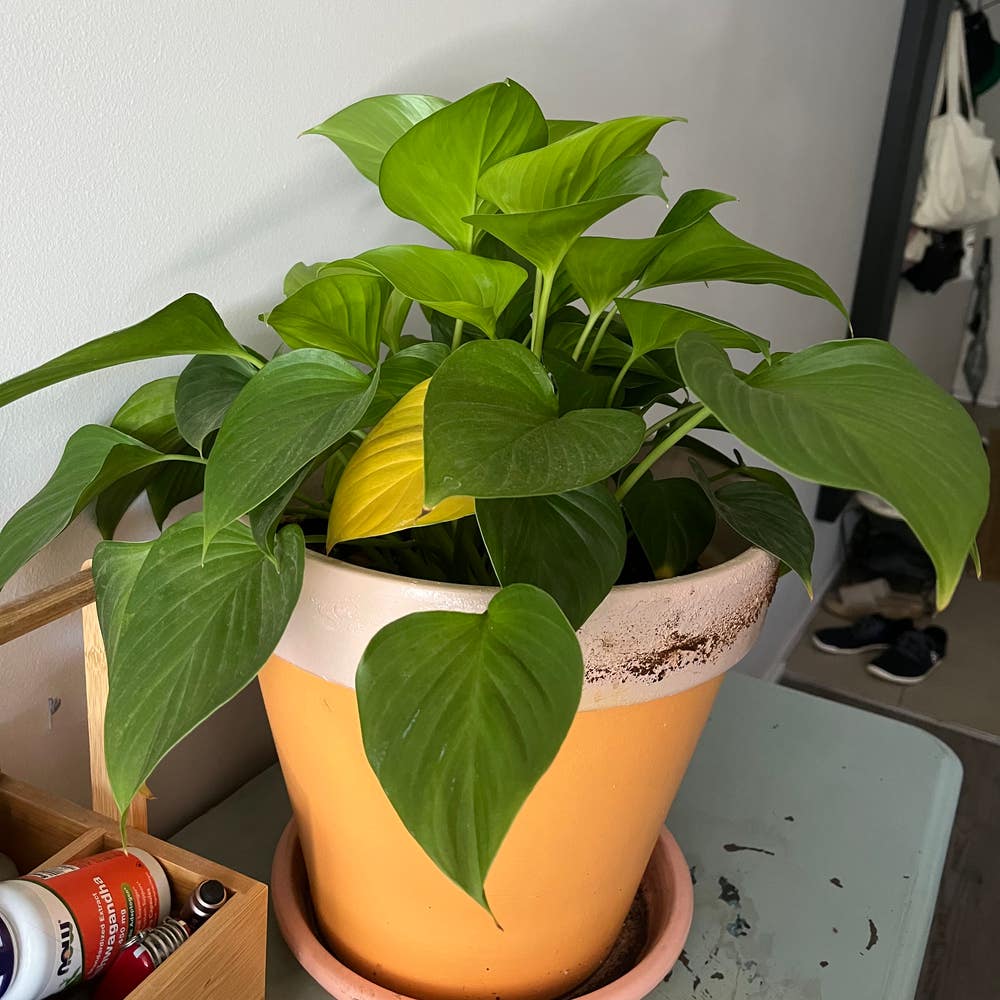
🌼 Homalomena 'Maggy' Is a Garden Plant, Not a Weed
Homalomena rubescens 'Maggy'
By the Greg Editorial Team
Nov 07, 2024•6 min read
This article was created with the help of AI so we can cover more plants for you. May contain errors. See one? Report it here.
Transform your garden with Homalomena 'Maggy'—a stunning, non-invasive plant that supports local ecosystems! 🌱
- 🌱 Homalomena 'Maggy' is non-invasive, making it a safe choice for gardeners.
- 🌿 Thrives in low light and requires minimal care, perfect for busy gardeners.
- ✂️ Slow growth and controlled expansion allow for easy management in garden settings.
Plant Classification
🌱 Definition of Invasive Plants
Invasive plants are species that spread aggressively, outcompeting native flora and disrupting local ecosystems. They often exhibit rapid growth, prolific seed production, and a remarkable adaptability to various environments.
🛡️ Characteristics of Homalomena 'Maggy' that Prevent Invasiveness
Homalomena 'Maggy' stands out due to its slow growth rate, which allows for controlled expansion in garden settings. This plant has limited spread potential, as it does not produce easily dispersible seeds, significantly reducing its chances of invading new areas.
Moreover, Homalomena 'Maggy' prefers low to medium light conditions. This preference limits its competition with sun-loving species, making it an ideal choice for shaded areas in your garden.
By understanding these characteristics, gardeners can confidently incorporate Homalomena 'Maggy' into their landscapes without the fear of it becoming invasive. This plant not only enhances garden aesthetics but also supports a balanced ecosystem.
As we delve deeper into its growth habits, you'll see how this plant thrives in various conditions while maintaining its non-invasive nature.
Growth Habits
🌱 Typical Growth Patterns
Homalomena 'Maggy' typically reaches a height of 1-2 feet, making it an ideal choice for various garden designs. Its heart-shaped leaves, with a glossy finish, add a touch of elegance and contribute to its ornamental appeal.
🌿 Natural Limits to Growth
This plant thrives in well-draining soil and moderate humidity, which are its optimal growing conditions. Additionally, it prefers low to medium light, making it perfect for shaded areas where many other plants might struggle.
✂️ Spread Potential and Management
One of the standout features of Homalomena 'Maggy' is its slow spread, which means it doesn't require aggressive management. With minimal care needed, occasional pruning may be necessary to maintain its shape and encourage healthy growth.
Incorporating Homalomena 'Maggy' into your garden not only enhances its beauty but also simplifies maintenance. As we explore its ecological role next, you'll see how this plant contributes positively to garden ecosystems.
Ecological Role
🌿 Benefits in Garden Ecosystems
Homalomena 'Maggy' is not just a pretty face in the garden; it also plays a vital role in enhancing air quality. This plant is known for its air-purifying qualities, making it a great addition to both indoor and outdoor spaces.
Its lush foliage adds aesthetic value, creating a vibrant atmosphere in landscape designs. The heart-shaped leaves bring a touch of elegance, making any garden feel more inviting.
🦋 Positive Interactions with Local Wildlife
This plant does more than beautify your garden; it also attracts beneficial insects. By providing habitat for pollinators and other helpful species, Homalomena 'Maggy' supports local biodiversity.
Moreover, it complements a variety of garden plants without overshadowing them. Its compact growth habit allows it to coexist harmoniously with other flora, enriching the overall ecosystem.
Incorporating Homalomena 'Maggy' into your garden not only enhances its beauty but also fosters a thriving environment for wildlife. This makes it a fantastic choice for gardeners looking to make a positive ecological impact.
Garden Management
Incorporation into Garden Designs 🌿
Homalomena 'Maggy' shines as a focal point in shaded areas, bringing life to otherwise dim spots. Consider integrating it into a mixed planting scheme for a dynamic garden layout.
Planting in clusters can create a striking visual effect. Grouping these plants together enhances their lush foliage, making a bold statement in your garden.
Aesthetic Considerations 🎨
For visual interest, pair Homalomena 'Maggy' with plants that have contrasting foliage colors. This contrast can elevate the overall aesthetic of your garden.
Additionally, using 'Maggy' alongside taller plants adds depth to your garden beds. This height variation creates a more layered and inviting landscape.
Practical Growth Control Methods ✂️
Regular pruning is essential to maintain the desired size and shape of your Homalomena 'Maggy'. This simple task ensures the plant remains healthy and visually appealing.
Container planting is another effective strategy. Potting 'Maggy' allows for easier management and mobility, making it simple to adjust your garden layout as needed.
Incorporating these practices will not only enhance your garden's beauty but also ensure that Homalomena 'Maggy' thrives in its environment. As you explore these management techniques, you'll discover the joy of cultivating a vibrant, non-invasive garden.
Comparison to Other Plants
🌱 Similar Non-Invasive Plants
When considering tropical foliage, Philodendron and Pothos often come to mind. While these plants share a love for humidity, they differ in growth habits and light preferences.
- Philodendron tends to grow faster and can reach greater heights, making it a more aggressive grower.
- Pothos is known for its trailing vines, which can spread quickly if not managed.
In contrast, Homalomena 'Maggy' maintains a slower growth rate and a compact form, making it easier to control in garden settings.
🌟 Unique Qualities
One of the standout features of Homalomena 'Maggy' is its heart-shaped leaves, which boast a glossy finish. This unique leaf shape and texture not only enhance its ornamental appeal but also set it apart from similar species.
Moreover, its non-invasive nature allows for seamless integration into various garden styles. You can plant it alongside other species without worrying about it overshadowing them.
🌿 Benefits of Choosing Homalomena 'Maggy'
For busy gardeners, Homalomena 'Maggy' is a dream come true. Its low maintenance requirements and adaptability to low light conditions make it an ideal choice for those who may not have the time to tend to high-maintenance plants.
Additionally, its air-purifying qualities contribute to healthier indoor and outdoor environments. This plant not only beautifies your space but also enhances air quality, making it a win-win.
⚖️ Legal and Environmental Considerations
Relevant Classifications and Guidelines
Before planting tropical species like Homalomena 'Maggy', it's essential to check local regulations. Some areas have specific guidelines regarding the introduction of non-native plants to protect local ecosystems.
Sourcing plants from reputable nurseries is crucial. This practice helps prevent the introduction of invasive species that could disrupt local flora.
🌍 Sustainable Gardening Practices
Choosing Homalomena 'Maggy' supports biodiversity and promotes healthier ecosystems. By opting for non-invasive plants, you contribute to a balanced garden environment.
Encouraging responsible gardening practices ensures that your garden thrives while respecting local ecosystems. This approach not only benefits your garden but also supports the broader environment.
With these considerations in mind, you can confidently incorporate Homalomena 'Maggy' into your garden, knowing you're making a positive impact.
⚠️ Safety First
This content is for general information and may contain errors, omissions, or outdated details. It is not medical, veterinary advice, or an endorsement of therapeutic claims.
Always consult a qualified healthcare professional before using any plant as food, medicine, or supplement.
Never eat any plant (or feed one to pets) without confirming its identity with at least two trusted sources.
If you suspect poisoning, call Poison Control (800) 222-1222, the Pet Poison Helpline (800) 213-6680, or your local emergency service immediately.
Spotted an error? Please report it here.
Choose Homalomena 'Maggy' for a stunning, low-maintenance addition 🌿 to your garden, and let Greg guide you with tailored care tips to keep it thriving beautifully!