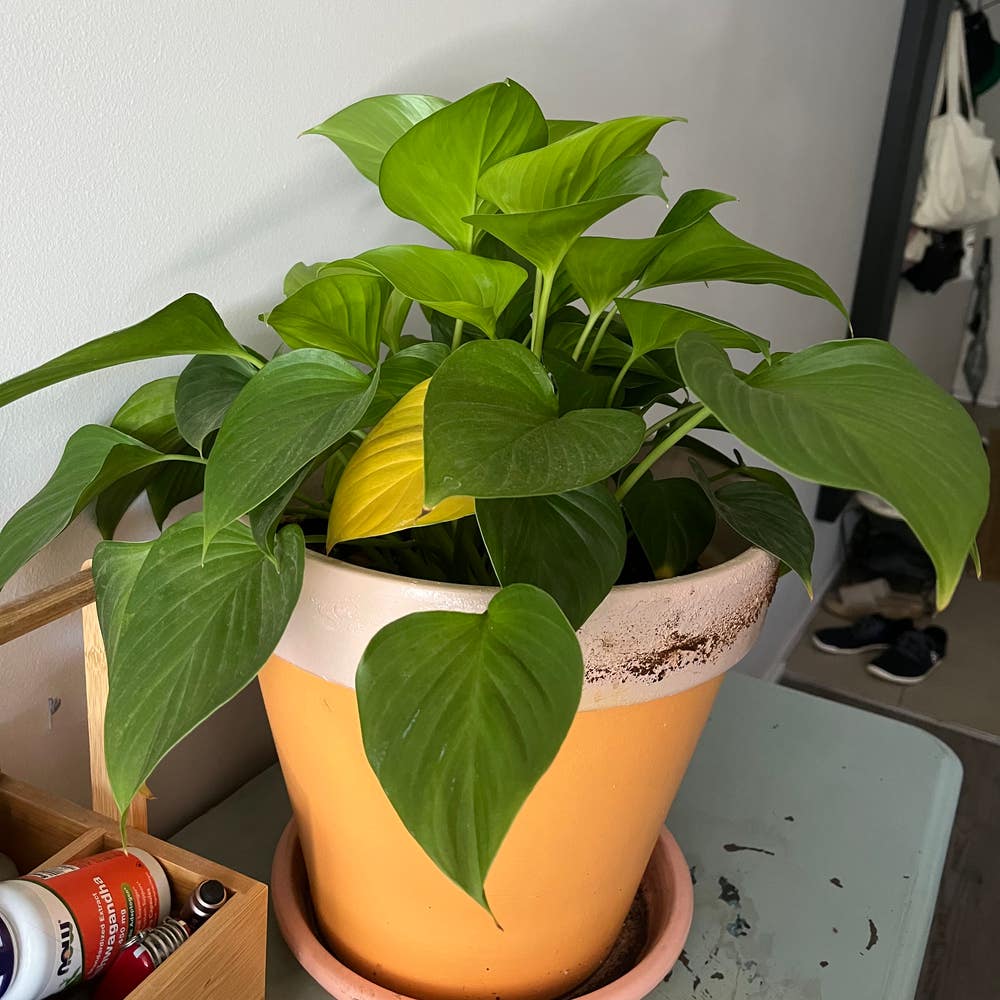
☀️ Best Climate for Homalomena 'Maggy': Zones 10a-12b
Homalomena rubescens 'Maggy'
By the Greg Editorial Team
Nov 07, 2024•6 min read
This article was created with the help of AI so we can cover more plants for you. May contain errors. See one? Report it here.
Unlock the secret to thriving Homalomena 'Maggy' by mastering its ideal temperature and humidity needs! 🌿
- 🌡️ Homalomena 'Maggy' thrives in Zones 10a-12b, needing warm, humid climates for growth.
- ❄️ Protect from frost; it tolerates temperatures down to 30°F (-1°C) only.
- 🌿 Ideal humidity above 50% is crucial for healthy Homalomena 'Maggy' growth.
Temperature Tolerance
❄️ Cold Tolerance
Homalomena 'Maggy' thrives in warm climates but has a minimum temperature tolerance that requires protection below 30°F (-1°C). Frost can cause significant damage, leading to wilting leaves and discoloration, so it's crucial to implement prevention methods like covering the plant or moving it indoors during cold snaps.
🔥 Heat Tolerance
On the flip side, this plant enjoys warm conditions, with a maximum temperature tolerance that suits tropical environments. However, maintaining high humidity levels is essential for its heat tolerance, as dry air can stress the plant and lead to poor growth.
🌡️ Ideal Temperature Ranges for Growth
For optimal growth, aim for temperatures between 65°F to 85°F (18°C to 29°C). Seasonal temperature variations can impact plant health, so be mindful of any drastic changes that could affect your Homalomena 'Maggy'.
Understanding these temperature tolerances will help you create the best environment for your plant. Next, let’s explore the ideal growing regions where Homalomena 'Maggy' can truly flourish.
Ideal Growing Regions
🌎 Examples of US States in Suitable Zones
Homalomena 'Maggy' thrives in several warm states, making them ideal for cultivation. Notable states include:
- Florida: With its tropical climate, Florida offers consistent warmth and humidity, especially in regions like Miami and Orlando.
- California: Coastal areas, particularly around Los Angeles, provide the perfect balance of warmth and moisture.
- Texas: The humid subtropical regions, such as Houston, create an inviting environment for this plant.
- Louisiana: Known for its high humidity, areas like New Orleans are particularly favorable.
- Hawaii: The island's tropical climate ensures year-round warmth and humidity, ideal for Homalomena growth.
🌤️ Factors Contributing to Ideal Conditions
Several climate characteristics make these regions suitable for Homalomena 'Maggy'.
- Warm Temperatures: Consistent warmth is crucial, with temperatures ideally ranging from 65°F to 85°F.
- High Humidity: Humidity levels above 50% are beneficial, mimicking the plant's natural habitat.
- Minimal Frost: Areas with little to no frost risk allow for uninterrupted growth.
Soil types also play a significant role. Well-draining soils rich in organic matter are essential to prevent root rot and promote healthy growth.
🌍 Comparison of Different Regions
Climate variations exist even within these states, impacting plant health.
- Coastal Areas: Generally experience milder temperatures and higher humidity, making them more suitable for Homalomena.
- Inland Areas: Often face greater temperature fluctuations, which can stress the plant.
Local weather patterns, such as rainfall and wind, also influence growing conditions. Understanding these nuances helps gardeners optimize their care for Homalomena 'Maggy'.
In summary, selecting the right region is crucial for the health of your plant. Next, we’ll delve into the microclimates that can further enhance its growth.
Microclimates and Their Impact
🌍 Definition and Importance
Microclimates are localized areas where the climate differs from the surrounding environment. These variations can significantly influence gardening and plant care, creating unique conditions that can either benefit or hinder plant growth.
Understanding microclimates is crucial for gardeners, especially when cultivating sensitive plants like Homalomena 'Maggy'. By recognizing these subtle climate differences, you can optimize your plant's health and growth potential.
🌱 Extending Growing Range
Microclimates can protect plants from frost and extreme temperatures, allowing for a broader growing range. They create pockets of warmth or shelter that can be vital for plants that are otherwise sensitive to harsh conditions.
Common microclimate features include sheltered areas, patios, and indoor environments. These spots can provide the perfect refuge for your Homalomena 'Maggy', ensuring it thrives even when outdoor conditions are less than ideal.
🌳 Beneficial Microclimates for Homalomena 'Maggy'
Certain scenarios can enhance the growth of Homalomena 'Maggy'. For instance, placing the plant near walls can absorb heat during the day and release it at night, creating a warmer microenvironment.
Additionally, positioning your plant under trees can offer protection from direct sunlight and wind. Greenhouses also serve as excellent microclimates, providing controlled conditions that promote healthy growth.
To identify and utilize microclimates effectively, observe your garden throughout the day. Look for areas that receive consistent warmth or protection from harsh elements, and consider relocating your Homalomena 'Maggy' to these optimal spots for improved health and vitality.
As you explore the impact of microclimates, you'll find that understanding these nuances can lead to a more successful gardening experience. Next, we will delve into a state-level suitability analysis for growing Homalomena 'Maggy', highlighting the best and worst regions for this beautiful plant.
State-Level Suitability Analysis
🌟 Suitable US States
When it comes to growing Homalomena 'Maggy', certain states shine brighter than others. Florida, California, Texas, Louisiana, and Hawaii boast the warm temperatures and high humidity levels that this tropical plant craves.
- Florida: Known for its subtropical climate, Florida offers year-round warmth and moisture, making it a paradise for Homalomena 'Maggy'.
- California: Coastal regions provide a mild climate with ample humidity, perfect for this plant's growth.
- Texas: The southern parts of Texas experience warm temperatures and humidity, ideal for thriving Homalomena.
- Louisiana: With its humid subtropical climate, Louisiana creates a favorable environment for this tropical beauty.
- Hawaii: The tropical climate of Hawaii is a natural fit, providing consistent warmth and humidity.
❌ Unsuitable US States
On the flip side, some states are not conducive to growing Homalomena 'Maggy'. Alaska, North Dakota, Montana, Wyoming, and Maine present significant challenges due to their harsh climates.
- Alaska: The extreme cold and long winters make it impossible for this tropical plant to survive.
- North Dakota: Low temperatures and frost risk throughout the year hinder any chance of successful growth.
- Montana: The cold climate and unpredictable weather patterns create unsuitable conditions for Homalomena.
- Wyoming: Similar to Montana, Wyoming's harsh winters and frost risk are detrimental to plant health.
- Maine: The cool climate and frost challenges make it difficult for this tropical plant to thrive.
📊 Suitability Analysis
Analyzing temperature extremes, frost dates, and humidity levels is crucial for understanding where Homalomena 'Maggy' can flourish.
- Temperature Extremes: This plant thrives in temperatures between 65°F to 85°F (18°C to 29°C). States that maintain these temperatures year-round are ideal.
- Frost Dates: The first and last frost dates are critical. Regions with a long growing season, free from frost, allow for uninterrupted growth.
- Humidity Levels: High humidity is essential for the health of Homalomena 'Maggy'. Areas that maintain humidity levels above 50% are preferable.
Understanding these factors helps gardeners make informed decisions about where to plant their Homalomena 'Maggy'. By choosing the right location, you can ensure a thriving, vibrant plant that enhances your indoor or outdoor space.
Next, we will explore the impact of microclimates on the growth of Homalomena 'Maggy' and how to utilize them effectively.
⚠️ Safety First
This content is for general information and may contain errors, omissions, or outdated details. It is not medical, veterinary advice, or an endorsement of therapeutic claims.
Always consult a qualified healthcare professional before using any plant as food, medicine, or supplement.
Never eat any plant (or feed one to pets) without confirming its identity with at least two trusted sources.
If you suspect poisoning, call Poison Control (800) 222-1222, the Pet Poison Helpline (800) 213-6680, or your local emergency service immediately.
Spotted an error? Please report it here.
Help your Homalomena 'Maggy' thrive in warmth and humidity 🌿 with Greg's tailored care reminders that ensure your plant enjoys the ideal climate for growth!