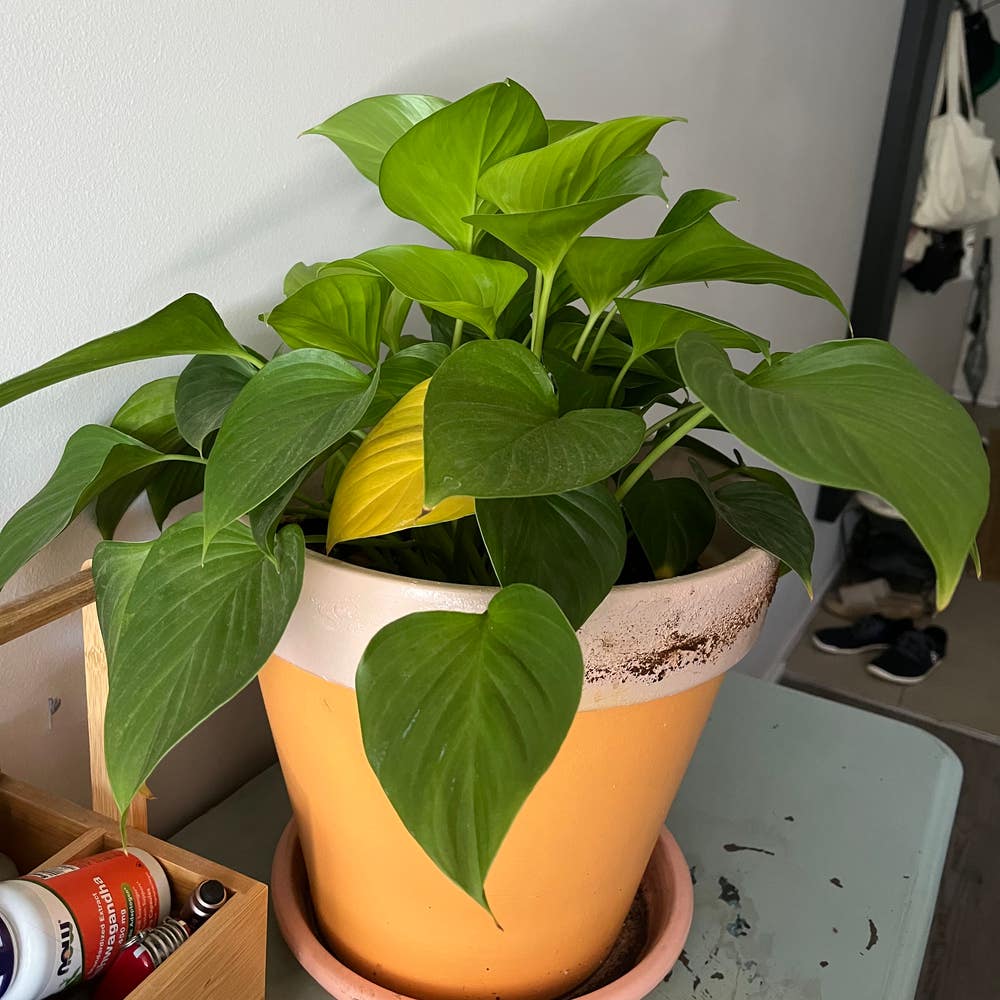
🌸 6 Facts About Homalomena 'Maggy' Pollination
Homalomena rubescens 'Maggy'
By the Greg Editorial Team
Nov 07, 2024•5 min read
This article was created with the help of AI so we can cover more plants for you. May contain errors. See one? Report it here.
Unlock vibrant blooms for your Homalomena 'Maggy' while supporting essential pollinators! 🌸🐝
- 🌸 Homalomena 'Maggy' attracts pollinators with vibrant flowers and enticing fragrances.
- 🐝 Self-pollination boosts fertilization, while cross-pollination enhances genetic diversity.
- 🌿 Create a pollinator-friendly environment with native plants and water sources for success.
Flower Structure
🌸 Description of Flower Shape, Color, and Arrangement
The Homalomena 'Maggy' features a striking inflorescence known as a spadix, which is surrounded by a colorful spathe. This arrangement not only enhances its visual appeal but also plays a crucial role in attracting pollinators.
Typically, the flowers exhibit vibrant shades of green and white, with some variations that may include hints of pink or cream. The petals and sepals are arranged in a way that creates a protective enclosure for the reproductive parts, ensuring their safety and accessibility.
🐝 Role of Flower Structure in Pollination
The structure of the Homalomena 'Maggy' flower is designed to facilitate self-pollination. The close proximity of the male stamens and female pistils allows pollen to transfer easily, increasing the chances of successful fertilization.
However, the flower also encourages cross-pollination by attracting external pollinators. This dual strategy enhances genetic diversity, which is vital for the plant's resilience and adaptability in varying environments.
With its unique flower structure, Homalomena 'Maggy' exemplifies nature's ingenuity in ensuring reproductive success. Understanding these mechanisms not only deepens our appreciation for this plant but also sets the stage for exploring the pollination process in detail.
Pollination Process
🌼 Explanation of Self-Pollination
Homalomena 'Maggy' has a fascinating self-pollination mechanism. The flower's structure allows the male and female parts to be in close proximity, which increases the chances of pollen transfer.
Timing plays a crucial role in this process. Self-pollination typically occurs when environmental conditions are stable, such as during warm, humid days when the flowers are fully open.
🐝 Identification of Primary Pollinators
If cross-pollination is needed, several key pollinators come into play. Bees, butterflies, and moths are the primary species that interact with Homalomena 'Maggy'.
These pollinators are attracted to the flowers for their nectar. Their feeding habits often lead to the transfer of pollen between flowers, enhancing genetic diversity.
🎨 Attraction Mechanisms for Pollinators
Homalomena 'Maggy' employs both visual and olfactory cues to attract its pollinators. The vibrant colors of the flowers serve as a visual signal, while the sweet fragrance acts as an olfactory lure.
Additionally, the flower's structure may include specific adaptations, such as a unique shape that encourages pollinators to linger longer, ensuring effective pollen transfer.
With these mechanisms in place, Homalomena 'Maggy' not only thrives but also contributes to the ecosystem by supporting its pollinators. Next, we’ll explore the art of hand pollination and how to ensure successful fertilization.
Hand Pollination
Hand pollination can be a rewarding process for ensuring the successful reproduction of Homalomena 'Maggy'. Here’s how to do it effectively.
📝 Step-by-Step Instructions
Identify Male and Female Flower Parts
To begin, you need to distinguish between the male and female parts of the flower. The male flower parts, or stamens, produce pollen, while the female parts, or pistils, are where fertilization occurs.
Collecting Pollen
Once you've identified the male flowers, it's time to gather pollen. The best method is to gently tap or shake the male flower to release the pollen into a small container. You can also use a soft brush to collect pollen directly from the stamens.
Transferring Pollen
Next, transfer the collected pollen to the female flowers. Use a clean brush or your fingertip to apply the pollen directly onto the stigma of the pistil. Ensure that you cover the stigma thoroughly for the best chance of fertilization.
⏰ Timing for Hand Pollination
Timing is crucial for successful hand pollination. The optimal time is early in the morning when flowers are fully open and receptive. Pollination during this window increases the likelihood of successful fertilization, as the flower's parts are at their most active.
By following these steps, you can effectively hand pollinate Homalomena 'Maggy' and support its growth. This hands-on approach not only enhances your gardening skills but also deepens your connection to these beautiful plants. Next, let’s explore how to create a pollinator-friendly environment to further support your gardening efforts.
Supporting Pollinators
🌼 Creating a Pollinator-Friendly Environment
To attract and support pollinators for your Homalomena 'Maggy', start by planting native species. Native plants are adapted to local conditions and provide essential food sources for various pollinators.
Additionally, ensure there are water sources nearby, such as shallow dishes or birdbaths. These small additions can make a big difference in creating a welcoming habitat for bees, butterflies, and other beneficial insects.
🌸 Companion Plants
Companion planting can significantly enhance the presence of pollinators around your Homalomena 'Maggy'. Consider adding flowers like marigolds, zinnias, and lavender, which are known to attract bees and butterflies.
These plants not only beautify your space but also provide a continuous food supply for pollinators throughout the growing season. By incorporating these companions, you create a thriving ecosystem that benefits both your plants and the local pollinator population.
As you cultivate this environment, you'll likely notice an increase in pollinator activity, which can lead to more successful pollination for your Homalomena 'Maggy'. This sets the stage for a vibrant and healthy plant life, ensuring your gardening efforts yield beautiful results.
Pollination Challenges
🌪️ Common Obstacles
Pollination success for Homalomena 'Maggy' can be significantly affected by environmental factors. High temperatures and low humidity levels can lead to flower wilting, reducing the chances of successful pollination.
Additionally, a lack of pollinators in the area poses a serious challenge. Without bees, butterflies, or other pollinators, cross-pollination becomes nearly impossible, limiting genetic diversity and overall plant health.
🛠️ Solutions for Overcoming Challenges
To enhance pollination success, consider adjusting your care practices. Providing adequate moisture and shade can help maintain optimal humidity levels, creating a more favorable environment for pollination.
Moreover, creating a pollinator-friendly garden can attract essential species. Planting native flowers and providing water sources will encourage pollinators to visit your Homalomena 'Maggy', boosting its chances of successful fertilization.
By addressing these challenges proactively, you can foster a thriving ecosystem that supports both your plants and their pollinators.
⚠️ Safety First
This content is for general information and may contain errors, omissions, or outdated details. It is not medical, veterinary advice, or an endorsement of therapeutic claims.
Always consult a qualified healthcare professional before using any plant as food, medicine, or supplement.
Never eat any plant (or feed one to pets) without confirming its identity with at least two trusted sources.
If you suspect poisoning, call Poison Control (800) 222-1222, the Pet Poison Helpline (800) 213-6680, or your local emergency service immediately.
Spotted an error? Please report it here.
Unlock the secrets of Homalomena 'Maggy' pollination 🌼 with Greg's tailored care tips and reminders, ensuring your plant thrives and blooms beautifully!