Why Homalomena 'Maggy' Is Not an Annual
Homalomena rubescens 'Maggy'
By the Greg Editorial Team
Nov 07, 2024•2 min read
This article was created with the help of AI so we can cover more plants for you. May contain errors. See one? Report it here.
Transform your garden with Homalomena 'Maggy' 🌱—a stunning perennial that thrives year-round with minimal care!
- 🌱 Homalomena 'Maggy' is a perennial, thriving for years with proper care.
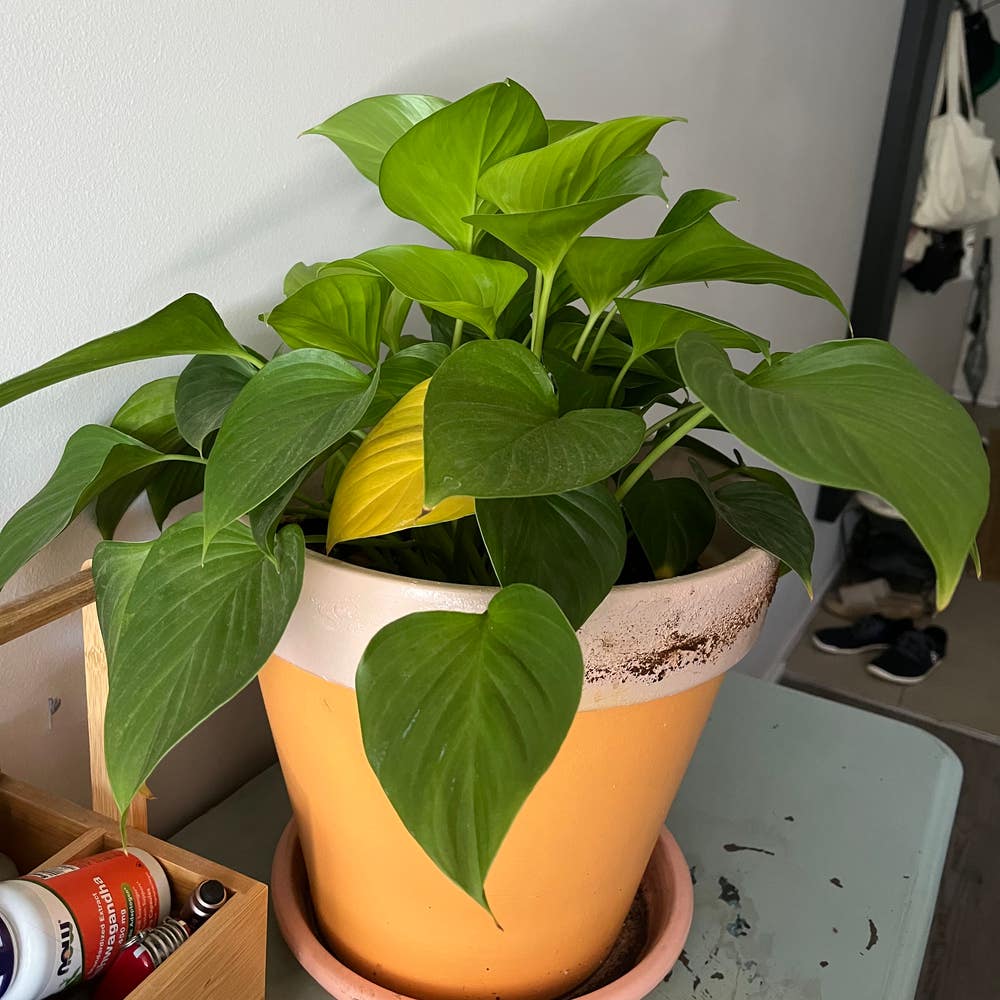
- 🌿 Heart-shaped leaves persist year-round, distinguishing it from short-lived annuals.
- 🐾 'Maggy' propagates through offsets, not seeds, ensuring longevity in gardens.
Homalomena 'Maggy' as a Perennial
🌱 Genetic Characteristics
Homalomena 'Maggy' belongs to the Araceae family, which is renowned for its perennial traits. This classification highlights its genetic adaptations that promote longevity and resilience in various environments.
🍃 Physiological Traits Supporting Perennial Classification
One of the standout features of 'Maggy' is its attractive, heart-shaped leaves that persist year-round. Additionally, its slow to moderate growth rate allows for sustained health over time, making it a reliable choice for gardeners.
📈 Long-Term Lifecycle and Growth Patterns
With proper care, Homalomena 'Maggy' can thrive for several years. It exhibits active growth during warm months, while entering a dormant phase in cooler conditions, which is typical for perennials.
🔄 Lifecycle Comparison
🌸 Reproductive Strategies
Homalomena 'Maggy' showcases its perennial nature through its ability to produce offsets, or pups, that can be propagated easily. In contrast to annuals, it places less emphasis on seed production.
🌼 Differences in Flowering and Seed Production
This plant has infrequent flowering habits, typically blooming only during optimal conditions. Seed production occurs over multiple seasons, unlike the rapid cycle seen in annuals.
🛠️ Implications of Lifecycle on Care and Growth
Caring for 'Maggy' involves focusing on maintaining its health over the years rather than seasonal replanting. Understanding its slower growth and flowering timeline is crucial for setting realistic expectations.
❓ Misconceptions and Exceptions
🌡️ Conditions Where It May Be Treated as an Annual
Environmental sensitivity can lead to misconceptions about 'Maggy.' Stress from extreme temperatures or humidity may cause it to behave like an annual under certain conditions.
🌍 Regional Variations Affecting Its Classification
In cooler regions, 'Maggy' may struggle to thrive year-round, leading to its treatment as an annual. Additionally, differences in care and environment between indoor and outdoor growth can affect how it's perceived.
⚠️ Common Mistakes in Care and Treatment
Many gardeners misunderstand 'Maggy's' growth patterns, expecting rapid growth or flowering akin to annuals. Overwatering or neglecting its humidity needs can also lead to plant stress and misclassification.
This exploration of Homalomena 'Maggy' as a perennial sets the stage for understanding how to effectively incorporate it into your garden. Next, we will delve into the advantages of including perennials in your garden design.
⚠️ Safety First
This content is for general information and may contain errors, omissions, or outdated details. It is not medical, veterinary advice, or an endorsement of therapeutic claims.
Always consult a qualified healthcare professional before using any plant as food, medicine, or supplement.
Never eat any plant (or feed one to pets) without confirming its identity with at least two trusted sources.
If you suspect poisoning, call Poison Control (800) 222-1222, the Pet Poison Helpline (800) 213-6680, or your local emergency service immediately.
Spotted an error? Please report it here.
Unlock the secret to keeping your Homalomena 'Maggy' thriving 🌱 for years with Greg's tailored care reminders that ensure you meet its unique needs!