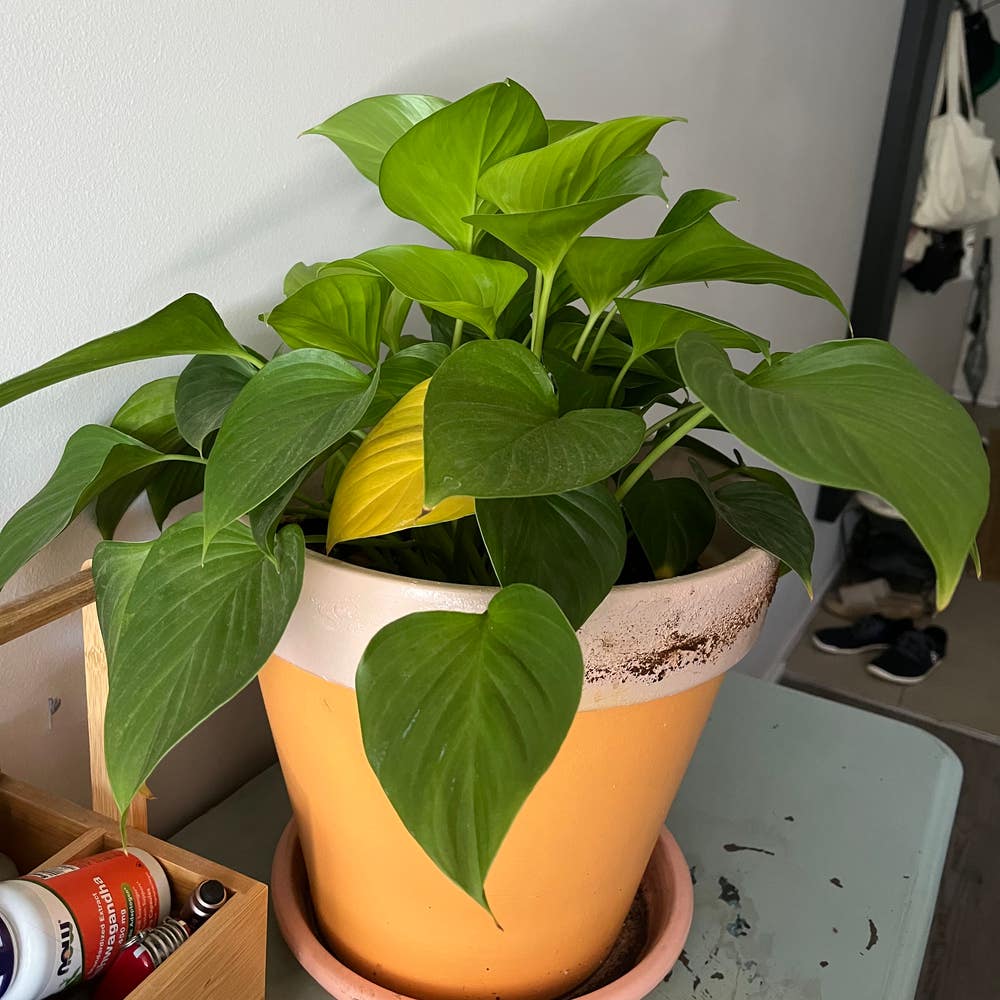
Homalomena 'Maggy' Buds Won't Open
Homalomena rubescens 'Maggy'
By the Greg Editorial Team
Nov 07, 2024•4 min read
This article was created with the help of AI so we can cover more plants for you. May contain errors. See one? Report it here.
Transform your Homalomena 'Maggy' into a blooming beauty 🌸 with these essential care tips for vibrant flowers!
- 💡 Adequate light is crucial for Homalomena 'Maggy' to bloom; avoid pale leaves.
- 🌱 Nutritional deficiencies hinder flowering; use high-phosphorus fertilizers regularly.
- 🌬️ Stable humidity and temperature are essential; maintain 50-70% humidity for optimal blooms.
Flowering Problems in Homalomena 'Maggy'
🌸 Failure to Bloom
Causes
Insufficient Light
Adequate light is crucial for initiating blooms in Homalomena 'Maggy'. If your plant is showing elongated stems and pale leaves, it might be a sign of low light conditions.
Improper Nutrition
Nutrients play a vital role in flower production. Common deficiencies, particularly in nitrogen, phosphorus, and potassium, can hinder blooming.
Environmental Stress
Temperature fluctuations and humidity levels significantly affect flowering. Additionally, pests and diseases can create stress that prevents blooms from forming.
💡 Solutions
Adjusting Light Exposure
Aim for bright, indirect light to encourage blooming. If your plant isn't getting enough light, consider relocating it to a brighter spot.
Fertilization Tips
Use fertilizers that are high in phosphorus to promote flowering. A feeding schedule of every 4-6 weeks during the growing season can help maintain nutrient levels.
Creating Optimal Humidity
Homalomena 'Maggy' thrives in humidity levels between 50-70%. You can increase humidity using pebble trays or humidifiers to create a more favorable environment.
🌼 Premature Flower Drop
Causes
Temperature Fluctuations
Sudden temperature changes can lead to flower drop. The ideal temperature range for Homalomena 'Maggy' is between 65°F and 80°F.
Overwatering
Overwatering can cause yellowing leaves and mushy roots. Poor drainage exacerbates these issues, leading to unhealthy flowers.
Pest Infestations
Common pests like spider mites and aphids can damage flowers. Look for symptoms such as wilting or discoloration to catch infestations early.
🛠️ Solutions
Maintaining Stable Temperatures
Avoid drafts and extreme temperature changes to keep your plant healthy. Aim for consistent indoor temperatures to support flower retention.
Proper Watering Techniques
Check soil moisture regularly and water only when the top inch of soil feels dry. Ensure your pot has good drainage to prevent overwatering.
Pest Management
Identify common pests and use appropriate control methods, such as insecticidal soap. Preventative measures, like regular inspections, can help avoid infestations.
🌱 Abnormal Flower Development
Causes
Nutrient Deficiencies
Key nutrients like nitrogen, phosphorus, and potassium are essential for healthy flower development. Symptoms of deficiencies include stunted growth and poor flower quality.
Inadequate Light
Insufficient light can lead to malformed flowers. Quality and duration of light are critical for proper flower formation.
Genetic Factors
Genetic predisposition can affect flowering variability. Understanding the genetic diversity in your Homalomena 'Maggy' can help set realistic expectations for blooming.
🧪 Solutions
Soil Amendments
Use nutrient-rich soil and consider amendments to enhance nutrition. Regular soil testing can help you monitor nutrient levels effectively.
Light Adjustments
If natural light is insufficient, consider using grow lights to improve conditions. This can significantly enhance flower development.
Understanding Plant Genetics
Select healthy specimens with a history of good flowering potential. Sourcing plants from reputable growers can also ensure better genetic quality.
🌍 Impact of Environmental Factors on Flowering
Environmental factors like light, temperature, and humidity play a significant role in the flowering success of Homalomena 'Maggy'. Understanding these elements can help you create the ideal conditions for blooming.
☀️ Light Requirements
Best Light Conditions for Homalomena 'Maggy'
Homalomena 'Maggy' thrives in bright, indirect sunlight. Watch for signs of too much light, such as leaf burn, or too little light, indicated by leggy growth.
🌿 Nutritional Needs
Recommended Fertilizers and Feeding Schedule
Liquid fertilizers are often more effective than granular options for flowering plants. Feed your Homalomena every 4-6 weeks during the growing season for optimal results.
✂️ Pruning Techniques
Best Practices for Pruning Homalomena 'Maggy'
Use sharp, clean tools for effective pruning. Look for signs like overcrowding or dead leaves to determine when to prune for the best flowering outcomes.
📅 Seasonal Considerations for Flowering
Preparing for Flowering Season
Steps to Take Before the Bloom Cycle Begins
Create a pre-bloom care checklist focusing on light, nutrition, and humidity. Acclimating your plant to optimal conditions is crucial for successful blooming.
Monitoring Plant Health Leading Up to Flowering
Keep an eye out for signs of readiness, such as healthy leaves and consistent growth patterns. Regular assessments will ensure your plant thrives before flowering.
⚠️ Safety First
This content is for general information and may contain errors, omissions, or outdated details. It is not medical, veterinary advice, or an endorsement of therapeutic claims.
Always consult a qualified healthcare professional before using any plant as food, medicine, or supplement.
Never eat any plant (or feed one to pets) without confirming its identity with at least two trusted sources.
If you suspect poisoning, call Poison Control (800) 222-1222, the Pet Poison Helpline (800) 213-6680, or your local emergency service immediately.
Spotted an error? Please report it here.
Unlock your Homalomena 'Maggy's blooming potential 🌼 by using Greg's tailored care reminders for light, nutrition, and humidity to create the ideal thriving environment!