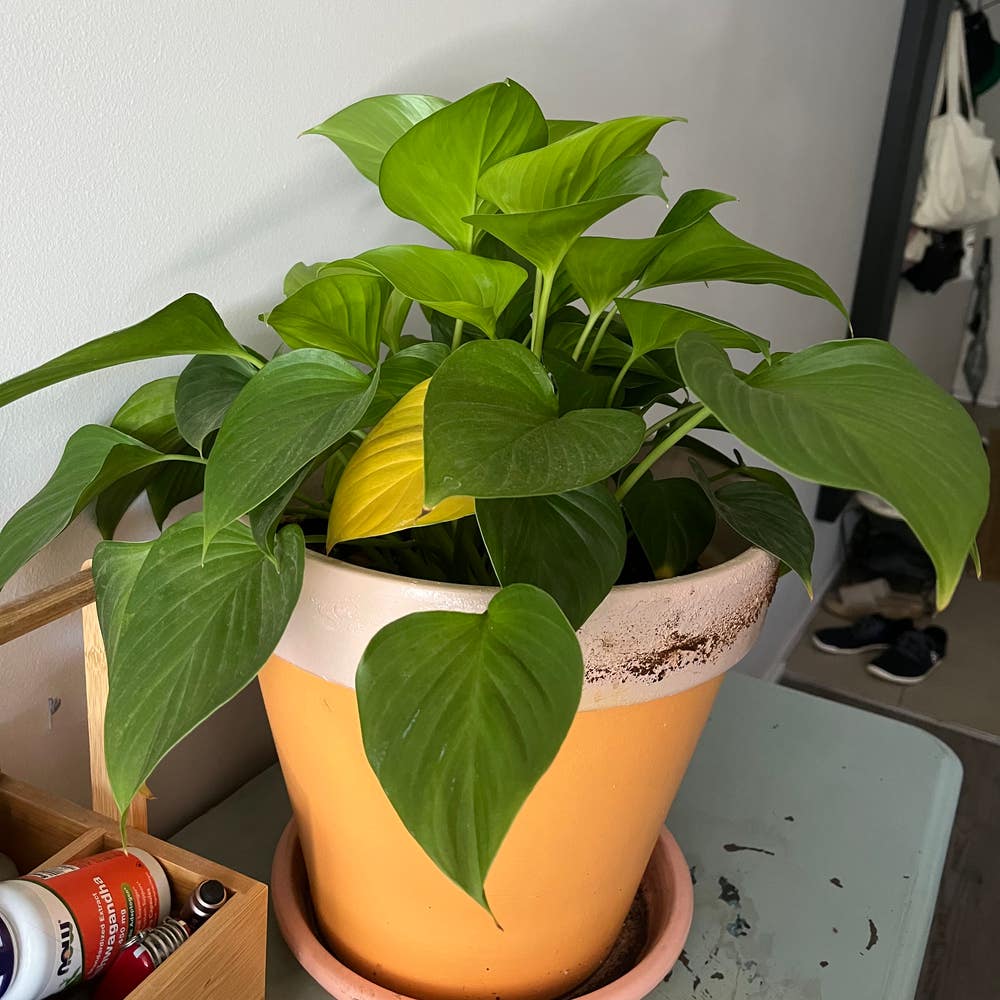
🔍 What's Eating Your Homalomena 'Maggy'
Homalomena rubescens 'Maggy'
By the Greg Editorial Team
Nov 07, 2024•6 min read
This article was created with the help of AI so we can cover more plants for you. May contain errors. See one? Report it here.
Safeguard your Homalomena 'Maggy' from herbivores while inviting beneficial wildlife to thrive! 🌱
- 🦌 Homalomena 'Maggy' faces threats from deer, rabbits, squirrels, and rodents.
- 🚫 Effective deterrents include repellents, fencing, and strategic plant placement.
- 🌼 Encourage beneficial animals like bees for natural pest control and pollination.
Common Herbivores Affecting Homalomena 'Maggy'
🦌 Deer
Signs of presence and damage caused
Deer are notorious for their impact on gardens, and they leave clear signs of their presence. Look for hoof prints in muddy areas near your Homalomena 'Maggy' and notice if the lower leaves have been stripped away.
Impact on the plant (beneficial or harmful)
Unfortunately, deer are generally harmful to your plant. Their browsing can decimate foliage and stunt growth, leaving your Homalomena looking less than its best.
Deterrent methods
To keep deer at bay, consider using commercial deer repellents, which can be quite effective. Alternatively, you can plant deer-resistant species nearby or even use human hair or soap shavings as organic deterrents.
🐇 Rabbits
Signs of presence and damage caused
Rabbits can be just as destructive, and their signs are easy to spot. Look for small, round droppings near the plant and clean cuts on leaves and stems, indicating their gnawing habits.
Impact on the plant (beneficial or harmful)
Rabbits pose a harmful threat, especially to young shoots and leaves. Their appetite can severely damage your Homalomena, hindering its growth.
Deterrent methods
To deter rabbits, bitter-tasting sprays can be effective. Additionally, consider erecting a fence that stands 2-3 feet high or planting herbs that repel rabbits to keep them away.
🐿️ Squirrels
Signs of presence and damage caused
Squirrels can wreak havoc on your Homalomena as well. Look for bark damage on stems from scratching and irregular holes in the foliage from their chewing.
Impact on the plant (beneficial or harmful)
The impact of squirrels is generally harmful, leading to significant leaf loss and stress on the plant. Their playful antics can quickly turn into a serious problem.
Deterrent methods
To keep squirrels from munching on your plants, try capsaicin-based sprays, which they dislike. You can also install squirrel-proof feeders to distract them from your Homalomena.
🐦 Birds
Signs of presence and damage caused
Birds can have a mixed impact on your garden. You might notice pecking holes in leaves and flowers or find twigs and debris around the base of the plant from nesting activities.
Impact on the plant (beneficial or harmful)
While some birds help with pollination, others can cause damage. It’s essential to monitor their activity to assess their overall impact.
Deterrent methods
To deter birds, consider using reflective tape or bird netting. Scare tactics, like wind chimes or fake predators, can also be effective in keeping them away.
🐭 Rodents (mice, voles, etc.)
Signs of presence and damage caused
Rodents can be sneaky, but their signs are telling. Look for small burrows near the base of the plant and visible damage to the root systems from their chewing.
Impact on the plant (beneficial or harmful)
Rodents are harmful to your Homalomena, as they can undermine its stability and health. Their presence can lead to significant issues if not addressed.
Deterrent methods
For rodent control, consider using bait stations designed for them. Organic methods like trapping and using natural repellents, such as peppermint oil, can also help keep them at bay.
🦡 Groundhogs/Woodchucks
Signs of presence and damage caused
Groundhogs, or woodchucks, leave distinct signs of their presence. Look for large burrows near the plant or in garden beds, along with significant leaf and stem damage from grazing.
Impact on the plant (beneficial or harmful)
These creatures are harmful, as they can completely strip your Homalomena of foliage. Their voracious appetite can devastate your plant in no time.
Deterrent methods
To deter groundhogs, consider using commercial repellents designed for larger mammals. Additionally, erecting a fence that stands 3-4 feet high or planting barriers can provide effective protection.
Understanding these common herbivores and their impacts on your Homalomena 'Maggy' is crucial for maintaining a healthy garden. With the right deterrent methods, you can protect your plant and enjoy its beauty for years to come. Next, let’s explore the beneficial animals that can enhance your garden ecosystem.
Beneficial Animals and Ecological Roles
🐝 Description of Beneficial Animals Attracted to Homalomena 'Maggy'
Homalomena 'Maggy' isn't just a feast for herbivores; it also attracts a host of beneficial animals. Pollinators like bees and butterflies flock to its flowers, playing a crucial role in the plant's reproductive success.
In addition, predatory insects such as ladybugs and lacewings help maintain a balanced ecosystem by controlling pest populations. These tiny allies are essential for keeping harmful insects at bay.
🌱 Positive Impacts on the Garden Ecosystem
The presence of these beneficial animals significantly enhances the health of your garden. Increased pollination from bees and butterflies leads to more robust plant growth and vibrant blooms.
Moreover, natural pest control from ladybugs and lacewings reduces the need for chemical interventions. This not only promotes a healthier environment but also supports biodiversity in your garden.
By fostering a welcoming habitat for these beneficial creatures, you create a thriving ecosystem that benefits both your Homalomena 'Maggy' and the surrounding flora.
As we explore further, let’s look at general strategies for protecting your plants from herbivores while encouraging these helpful visitors.
General Strategies for Protection
🛡️ Preventive Measures for Protecting Homalomena 'Maggy'
To keep your Homalomena 'Maggy' safe from herbivores, start with strategic plant placement. Position your plants in less accessible areas, making it harder for animals to reach them.
Another effective method is companion planting. Surround your Homalomena with plants that naturally deter herbivores, creating a protective barrier.
⚠️ Reactive Solutions for Managing Animal Interactions
Regular monitoring is essential. Check your plants frequently for signs of damage or animal presence to catch any issues early.
When you notice signs of trouble, take immediate action. Implement deterrents right away to minimize damage and protect your plant's health.
🌱 Seasonal Variations in Animal Attraction to Homalomena 'Maggy'
Be aware that animal activity varies with the seasons. In spring, herbivores become more active as they seek out tender shoots, making your Homalomena a target.
As fall approaches, animals prepare for winter and may forage more aggressively. Stay vigilant during these times to safeguard your plants effectively.
By employing these strategies, you can create a thriving environment for your Homalomena 'Maggy' while minimizing the impact of herbivores. Next, let's explore the beneficial animals that can enhance your garden ecosystem.
Toxicity and Safety
🐾 Toxic Effects of Homalomena 'Maggy' on Animals
Homalomena 'Maggy' contains mild toxins that can deter some herbivores from munching on its leaves. While these toxins are not lethal, they can cause mild gastrointestinal upset in animals if consumed in large quantities.
🦙 Implications for Animal Interactions and Garden Safety
Understanding the toxicity of Homalomena 'Maggy' is crucial for managing animal interactions in your garden. Some animals may be deterred by the plant's toxins, but others might still be tempted to nibble, making careful management essential to protect your plant.
By being aware of these dynamics, you can create a safer environment for both your plants and the local wildlife. This balance is key to maintaining a thriving garden ecosystem while minimizing damage from herbivores.
As you navigate these interactions, remember that proactive measures can help safeguard your Homalomena 'Maggy' while fostering a healthy habitat for beneficial creatures.
⚠️ Safety First
This content is for general information and may contain errors, omissions, or outdated details. It is not medical, veterinary advice, or an endorsement of therapeutic claims.
Always consult a qualified healthcare professional before using any plant as food, medicine, or supplement.
Never eat any plant (or feed one to pets) without confirming its identity with at least two trusted sources.
If you suspect poisoning, call Poison Control (800) 222-1222, the Pet Poison Helpline (800) 213-6680, or your local emergency service immediately.
Spotted an error? Please report it here.
Keep your Homalomena 'Maggy' thriving 🌱 by using Greg's personalized care tips and reminders to fend off pesky herbivores like deer and rabbits!