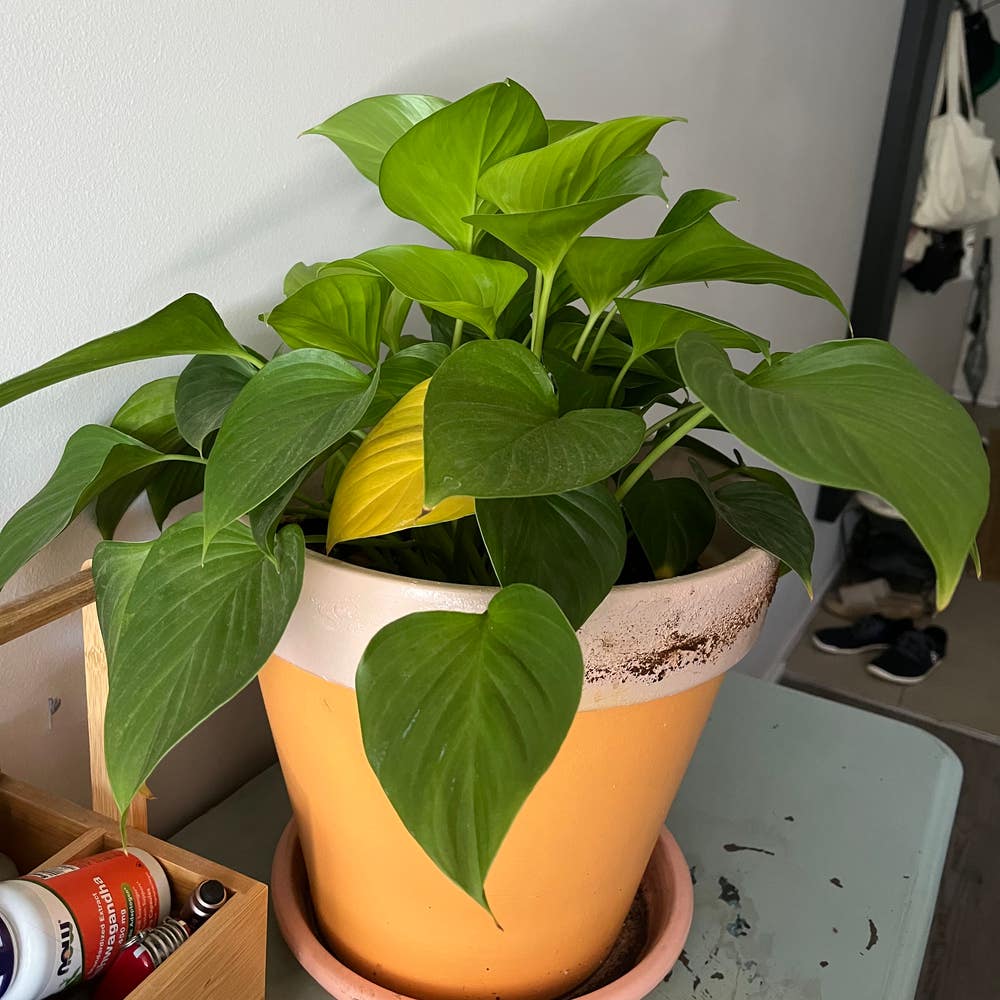
Best Tips for Healthy Homalomena 'Maggy' Roots 🥔
Homalomena rubescens 'Maggy'
By the Greg Editorial Team
Nov 07, 2024•7 min read
This article was created with the help of AI so we can cover more plants for you. May contain errors. See one? Report it here.
Nurture your Homalomena 'Maggy' to thrive 🌱 with essential tips on root care and propagation!
- 🌱 Homalomena 'Maggy' roots thrive in well-draining soil, preventing root rot.
- 🥇 Healthy roots are firm and white; unhealthy ones are brown and mushy.
- 🌿 Transplant when roots emerge from drainage holes to promote vigorous growth.
Root System Type
Fibrous Characteristics 🌱
Fibrous root systems are characterized by a network of thin, branching roots that spread out horizontally. Unlike taproots, these roots do not penetrate deeply into the soil but instead create a dense mat that effectively absorbs water and nutrients.
The importance of fibrous roots cannot be overstated. They enhance nutrient absorption and provide stability to the plant, allowing it to thrive in various conditions. This adaptability makes them suitable for different pot sizes and soil types, ensuring that your Homalomena 'Maggy' can flourish whether in a small container or a larger garden bed.
These roots are particularly beneficial in well-draining soils, where they can spread up to 18 inches or more. This extensive reach not only supports the plant's nutritional needs but also contributes to its overall health and vigor.
Understanding the characteristics of fibrous roots helps in appreciating their role in plant care. By recognizing how these roots function, you can make informed decisions about watering, fertilizing, and potting your Homalomena 'Maggy' for optimal growth.
As we delve deeper into root depth and growth patterns, you'll see how these fibrous roots play a crucial role in the plant's health and stability.
Root Depth, Spread, and Growth Patterns
🌱 Typical Root Depth and Spread
The root system of the Homalomena 'Maggy' typically reaches an average depth of 6 to 12 inches. In well-draining soil, the roots can spread out significantly, extending up to 18 inches or more, which is crucial for the plant's overall health.
🌿 Growth Patterns and Effects on Plant Health
Fibrous roots play a vital role in providing stability and enhancing nutrient uptake. A robust root system directly influences foliage health, as healthy roots ensure the plant receives the necessary nutrients and water.
The size of the pot also impacts root development and plant vigor. A larger pot allows for more expansive root growth, which can lead to a more vigorous and thriving plant. Conversely, a pot that is too small can restrict root expansion, ultimately affecting the plant's health and growth.
Understanding these growth patterns helps in providing the right care for your Homalomena 'Maggy.' By ensuring adequate space for root development, you can promote a lush and healthy plant that thrives in your home.
As we explore further, we'll delve into the best practices for watering, fertilizing, and transplanting to support this vibrant plant's growth.
Watering, Fertilizing, and Transplanting
🌱 Influence of the Root System on Watering
Proper watering is crucial for the health of your Homalomena 'Maggy' roots. To maintain optimal moisture levels, allow the top inch of soil to dry out between waterings.
When you do water, ensure you do so thoroughly until it drains from the bottom. This technique promotes deep root growth and prevents waterlogging, which can harm your plant.
🌿 Fertilization Techniques
Fertilizing your Homalomena 'Maggy' is essential for robust growth. Use balanced, water-soluble fertilizers during the growing season to provide the necessary nutrients.
Aim to fertilize every 4-6 weeks to keep your plant thriving. This regular feeding schedule supports healthy root development and vibrant foliage.
🌍 Best Practices for Transplanting
Recognizing when your plant has outgrown its pot is vital for its health. Signs include roots emerging from drainage holes or stunted growth.
When it's time to transplant, follow these steps for success:
- Prepare a new pot with fresh, well-draining soil.
- Gently remove the plant from its current pot.
- Inspect and trim any damaged roots.
- Place the plant in the new pot and fill with soil.
- Water thoroughly after transplanting.
This careful approach ensures your Homalomena 'Maggy' continues to flourish in its new home.
With proper watering, fertilizing, and transplanting techniques, you can nurture your plant's roots effectively. Next, let’s explore common root-related issues and how to address them.
Common Root-Related Issues
Identification and Solutions 🌱
Root rot can be a sneaky adversary for your Homalomena 'Maggy'. Watch for symptoms like wilting leaves, yellowing foliage, and a foul odor emanating from the soil.
These signs often point to common causes such as overwatering, poor drainage, or compacted soil. It's crucial to understand how these factors contribute to root health.
Proper watering techniques are essential. Allow the top inch of soil to dry out before watering again, and always ensure your pot has drainage holes to prevent water accumulation.
Choosing the right soil is equally important. A well-draining mix will help keep your roots happy and healthy, reducing the risk of rot.
By staying vigilant and adjusting your care routine, you can prevent these issues and keep your plant thriving.
Next, let’s explore how to identify healthy versus unhealthy roots, so you can take proactive steps in your plant care journey.
Indicators of Healthy vs. Unhealthy Roots
👀 Visual Cues and Other Indicators
Identifying the health of your Homalomena 'Maggy' roots is crucial for maintaining a thriving plant. Healthy roots are typically firm, white, and crisp, indicating they are actively absorbing nutrients and water.
In contrast, unhealthy roots present a stark warning. Look for brown, mushy roots that may emit foul odors—these are signs of root rot or decay.
🚨 Signs of Plant Distress
The condition of the roots directly impacts the overall health of the plant. If you notice wilting, stunted growth, or yellowing leaves, these symptoms often point to underlying root issues.
🔍 Importance of Early Detection
Early detection of root problems can save your plant from further damage. Regularly inspect the root system, especially if you observe any distress signals in the foliage.
By staying vigilant, you can ensure your Homalomena 'Maggy' remains healthy and vibrant. Next, let’s explore how to recognize and address rootbound plants, which can also affect your plant's vitality.
Recognizing and Addressing Rootbound Plants
Definition and Signs 🌱
Rootbound plants occur when roots circle the pot, restricting their growth. You can spot a rootbound plant by looking for roots emerging from drainage holes or noticing stunted growth.
Addressing Rootbound Issues 🛠️
Knowing when to repot or divide a rootbound plant is crucial for its health. Here’s a simple guide to help you through the process:
- Remove the plant from its pot. Gently ease it out to avoid damaging the roots.
- Loosen and trim circling roots. This step is vital to encourage new growth.
- Repot in a larger container with fresh soil. Choose a pot that allows for further expansion.
By following these steps, you can rejuvenate your plant and promote healthy growth. Addressing rootbound issues promptly ensures your Homalomena 'Maggy' thrives in its environment.
Next, we’ll explore propagation and division techniques to further enhance your plant care skills.
Propagation and Division
🌱 Importance of Root Health
Healthy roots are crucial for successful propagation. They ensure that new plants can effectively absorb nutrients during their establishment phase.
Strong roots not only support growth but also enhance the overall vigor of the plant. When roots are robust, they can better access water and nutrients, setting the stage for thriving new plants.
✂️ Step-by-Step Guide for Dividing and Propagating
Choose a healthy, mature plant for division. Look for one that shows strong growth and vibrant leaves.
Remove the plant from its pot. Gently ease it out to avoid damaging the roots.
Separate the root clumps. Carefully pull apart the roots, ensuring each division has healthy roots and at least one leaf.
Replant divisions in suitable pots. Use well-draining soil to promote healthy growth.
Water lightly and place in indirect light. This helps the new divisions establish without overwhelming them.
By following these steps, you can successfully propagate your Homalomena 'Maggy' and enjoy the satisfaction of nurturing new plants. Healthy roots are the foundation of this process, ensuring that your efforts lead to flourishing greenery.
Next, let’s explore common root-related issues that can arise during plant care.
⚠️ Safety First
This content is for general information and may contain errors, omissions, or outdated details. It is not medical, veterinary advice, or an endorsement of therapeutic claims.
Always consult a qualified healthcare professional before using any plant as food, medicine, or supplement.
Never eat any plant (or feed one to pets) without confirming its identity with at least two trusted sources.
If you suspect poisoning, call Poison Control (800) 222-1222, the Pet Poison Helpline (800) 213-6680, or your local emergency service immediately.
Spotted an error? Please report it here.
Nurture strong roots for your Homalomena 'Maggy' 🌿 with Greg's tailored watering and fertilizing reminders, ensuring your plant thrives with every new leaf!