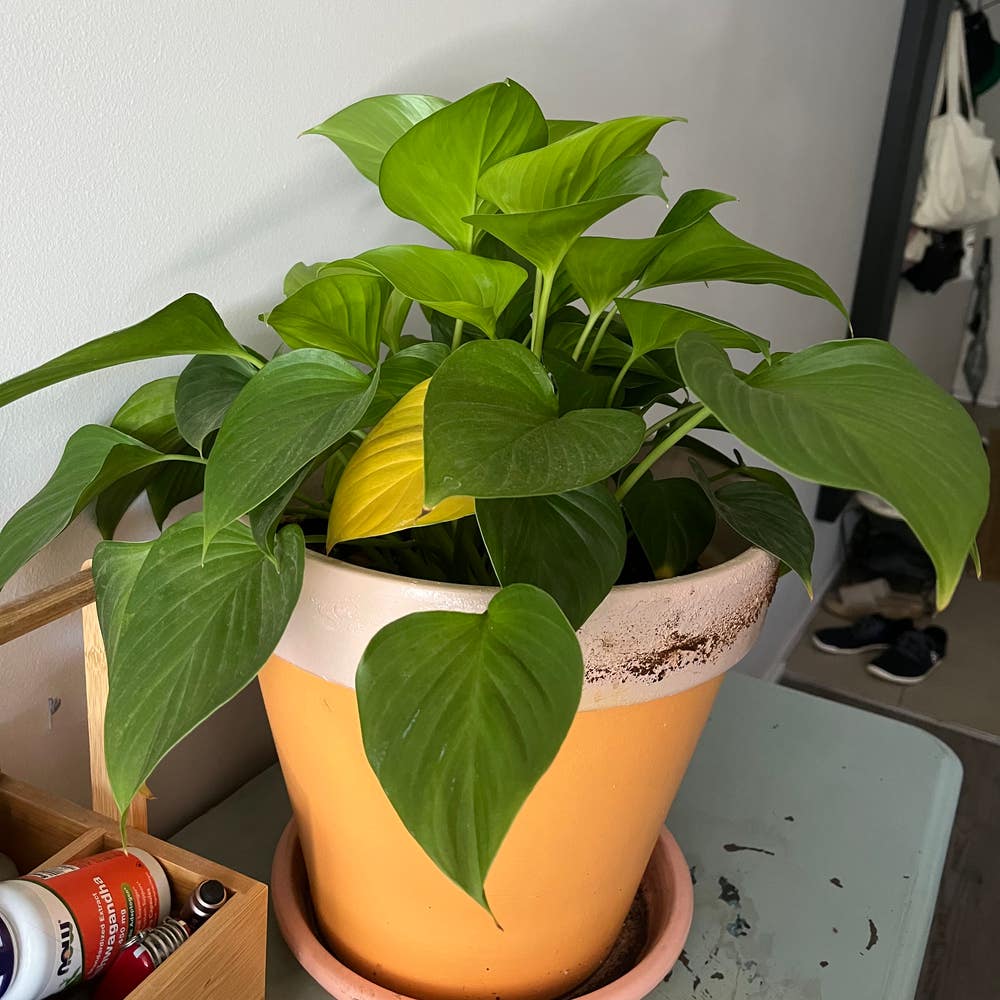
🌸 9 Tips for Growing Homalomena 'Maggy'
Homalomena rubescens 'Maggy'
By the Greg Editorial Team
Nov 07, 2024•6 min read
This article was created with the help of AI so we can cover more plants for you. May contain errors. See one? Report it here.
Unlock the secret to a vibrant Homalomena 'Maggy' and elevate your indoor garden! 🌱
- 🌞 Homalomena 'Maggy' thrives in bright, indirect light; avoid direct sunlight.
- 💧 Maintain humidity above 60% and temperatures between 18°C to 27°C for optimal growth.
- 🌱 Use well-draining, nutrient-rich soil and water when the top inch feels dry.
Choosing a Location
Ideal Light Conditions 🌞
Homalomena 'Maggy' thrives in bright, indirect light. Direct sunlight can scorch its beautiful leaves, so aim for spots near east or north-facing windows for optimal growth.
Indoor vs. Outdoor Placement Considerations 🏡
Indoors, this plant flourishes in controlled environments, away from drafts and extreme temperatures. If you choose to place it outdoors, opt for shaded areas in the garden to shield it from harsh sunlight.
Temperature and Humidity Preferences 🌬️
For the best results, maintain a temperature range of 18°C to 27°C (65°F to 80°F). High humidity levels, ideally 60% or higher, are crucial for keeping its foliage vibrant and healthy.
By ensuring the right location, you set the stage for your Homalomena 'Maggy' to thrive. Next, let’s dive into the essential soil preparation for your plant's success.
Soil Preparation
Best Soil Types 🌱
To give your Homalomena 'Maggy' the best start, use a well-draining potting mix rich in organic matter. A blend of peat, perlite, and orchid bark works wonders, ensuring the roots have the right environment to thrive.
Importance of Drainage and Aeration 💧
Proper drainage is crucial to prevent root rot, so always choose pots with drainage holes. Aeration is equally important; it allows roots to access oxygen, which promotes healthy growth and vibrant foliage.
Amendments to Enhance Soil Quality 🌿
To boost nutrient content, incorporate compost or worm castings into your soil mix. Additionally, adding perlite or sand can significantly enhance drainage, creating an ideal environment for your plant to flourish.
With the right soil preparation, your Homalomena 'Maggy' will be set up for success. Next, let’s dive into effective planting techniques to ensure your plant's roots settle in beautifully.
Planting Techniques
Step-by-Step Instructions 🌱
Planting your Homalomena 'Maggy' is straightforward and rewarding. Follow these simple steps for success:
- Select a pot with drainage holes to prevent water accumulation.
- Fill the pot with your prepared soil mix, leaving enough space for the root ball.
- Gently remove the plant from its nursery pot, loosening the roots carefully.
- Position the plant in the center of the new pot and fill in with soil.
- Water thoroughly to settle the soil around the roots, ensuring good contact.
Container vs. Ground Planting 🏡
Choosing between container and ground planting depends on your space and lifestyle.
- Container planting offers flexibility and ease of care, making it perfect for indoor environments.
- Ground planting is ideal for outdoor tropical gardens, provided the conditions are suitable.
Spacing and Depth Considerations 📏
Proper spacing and planting depth are crucial for healthy growth.
- Space your plants 12-18 inches apart to allow ample room for expansion.
- Ensure you plant at the same depth as in the nursery pot to minimize root stress.
With these planting techniques, your Homalomena 'Maggy' will thrive beautifully. Next, let’s explore how to keep your plant healthy with effective watering and fertilizing practices.
Watering and Fertilizing
💧 Watering Frequency and Techniques
To keep your Homalomena 'Maggy' thriving, water it when the top inch of soil feels dry. This usually means watering every 1-2 weeks, but always check first.
Using room temperature water is key; it helps avoid shocking the plant. Cold water can stress the roots, so let it sit out for a bit before use.
🚿 Signs of Overwatering and Underwatering
Recognizing the signs of overwatering is crucial. If you notice yellowing leaves, mushy roots, or moldy soil, it’s time to adjust your watering routine.
On the flip side, underwatering shows up as wilting leaves, dry soil, and even leaf drop. Keeping an eye on these indicators helps maintain your plant's health.
🌱 Recommended Fertilizers and Feeding Schedule
During the growing season, a balanced liquid fertilizer every 4-6 weeks will do wonders for your plant. Spring and summer are the prime times for feeding, as your Homalomena 'Maggy' will be actively growing.
As the seasons change and growth slows in fall and winter, reduce your feeding schedule. This helps prevent nutrient buildup and keeps your plant happy year-round.
With proper watering and fertilizing, your Homalomena 'Maggy' will flourish. Next, let’s explore pruning and ongoing care to keep your plant in top shape!
Pruning and Ongoing Care
🌱 When and How to Prune
Pruning your Homalomena 'Maggy' is essential for maintaining its health and appearance. Aim to prune in spring, removing any dead or yellowing leaves with clean, sharp scissors to promote new growth.
Additionally, trim back any leggy growth. This encourages a bushier, more compact plant, enhancing its overall aesthetic.
🐛 Pest and Disease Management
Keeping an eye on pests is crucial for your plant's well-being. Common culprits include spider mites, aphids, and mealybugs, which can wreak havoc if left unchecked.
For effective control, consider using neem oil or insecticidal soap. These treatments are gentle yet effective, helping to keep your plant thriving.
🌦️ Seasonal Care Adjustments
As seasons change, so should your care routine. During winter, it's vital to increase humidity levels, which can drop significantly in heated indoor environments.
Utilize a humidifier or a pebble tray filled with water to create a more humid microclimate. Also, keep an eye on temperature fluctuations and adjust your plant's placement as needed to ensure it remains comfortable.
With these ongoing care tips, your Homalomena 'Maggy' will not only survive but flourish, bringing vibrant greenery to your space. Next, let's explore common challenges you might face and how to tackle them effectively.
Common Challenges and Solutions
🕵️♂️ Identifying and Addressing Problems
Yellowing leaves on your Homalomena 'Maggy' can be a clear indicator of overwatering. Adjust your watering routine by allowing the top inch of soil to dry out before giving it another drink.
Pests can also pose a threat to your plant's health. Regularly inspect the leaves and stems for any signs of infestation, such as webbing or sticky residue, to catch issues early.
💧 Tips for Maintaining Humidity Levels
Maintaining the right humidity is crucial for your plant's vibrancy. Use a humidity meter to monitor levels, aiming for 60% or higher to keep your 'Maggy' thriving.
Grouping your plants together can create a microenvironment with increased humidity. Alternatively, consider using a humidifier to boost the ambient moisture in the room.
🛠️ Troubleshooting Growth Issues
If you notice slow growth, it may be time to reassess your plant's conditions. Ensure it receives adequate light, humidity, and nutrients to promote healthy development.
Leaf drop can be alarming, but it often signals sudden changes in the environment or watering practices. Take a moment to evaluate any recent adjustments that might have stressed your plant.
With these tips, you'll be well-equipped to tackle common challenges and keep your Homalomena 'Maggy' flourishing. Next, let’s explore the essential aspects of watering and fertilizing to further support your plant's growth.
⚠️ Safety First
This content is for general information and may contain errors, omissions, or outdated details. It is not medical, veterinary advice, or an endorsement of therapeutic claims.
Always consult a qualified healthcare professional before using any plant as food, medicine, or supplement.
Never eat any plant (or feed one to pets) without confirming its identity with at least two trusted sources.
If you suspect poisoning, call Poison Control (800) 222-1222, the Pet Poison Helpline (800) 213-6680, or your local emergency service immediately.
Spotted an error? Please report it here.
Nurture your Homalomena 'Maggy' to lush perfection 🌿 with Greg's personalized care tips and watering reminders that ensure your plant thrives in its ideal environment!