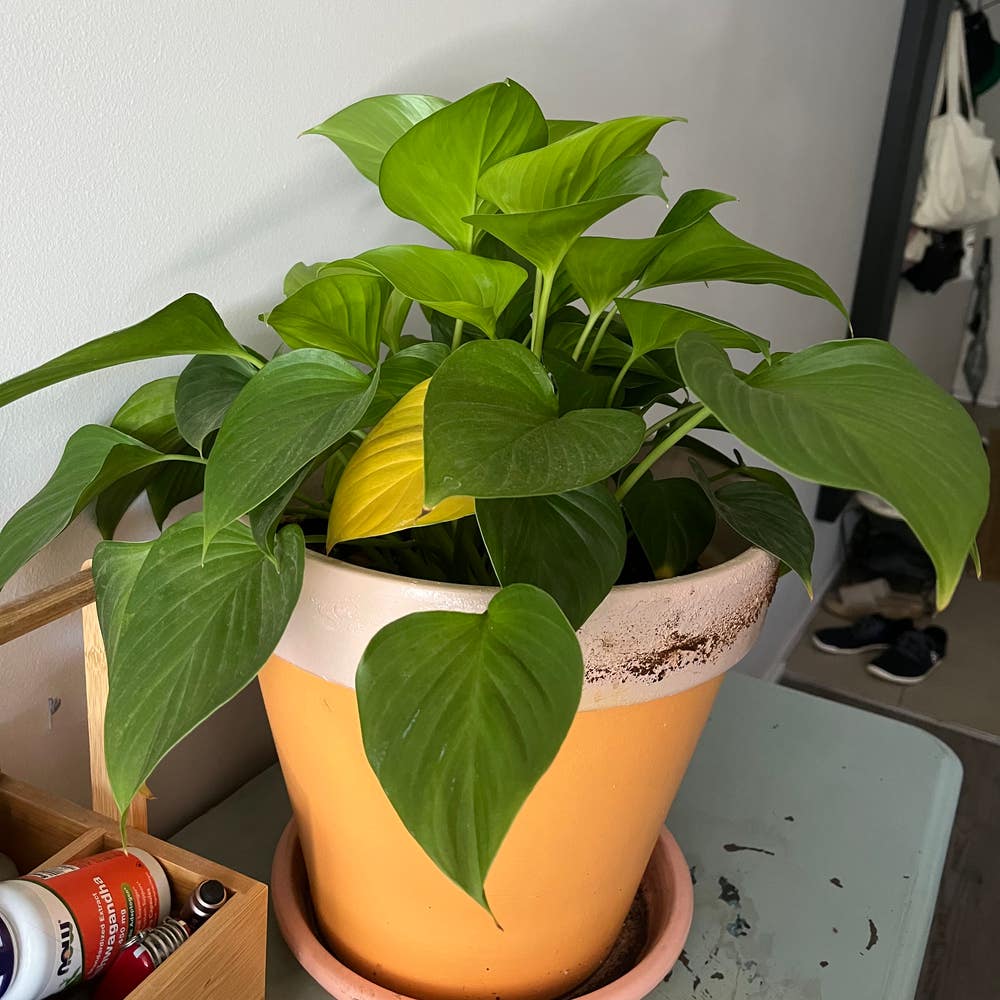
9 Best Companion Plants for Homalomena 'Maggy' 🌸
Homalomena rubescens 'Maggy'
By the Greg Editorial Team
Nov 07, 2024•6 min read
This article was created with the help of AI so we can cover more plants for you. May contain errors. See one? Report it here.
Elevate your indoor garden's beauty and health with perfect companions for Homalomena 'Maggy'! 🌿
- 🌱 Homalomena 'Maggy' thrives in high humidity and low light, perfect for indoor settings.
- 🌼 Companion plants like Pothos and Peace Lily enhance aesthetics and repel pests.
- 🌿 Avoid cacti and Ficus; they stress Homalomena 'Maggy' with their dry conditions.
Best Companion Plants for Homalomena 'Maggy'
🌿 Plant 1: Pothos
Pothos is a trailing vine adorned with heart-shaped leaves, making it a popular choice for indoor gardens. It thrives in low-light and high humidity, just like Homalomena 'Maggy', enhancing air quality while providing a lush backdrop.
🌸 Plant 2: Peace Lily
The Peace Lily is an elegant plant featuring white blooms and glossy leaves. It prefers similar humidity and light conditions, acting as a natural air purifier and repelling common houseplant pests.
🕷️ Plant 3: Spider Plant
With its arching green and white striped leaves, the Spider Plant adds a unique touch to any arrangement. It adapts well to low-light environments and enjoys humidity, known for its ability to remove toxins from the air and attract beneficial insects.
🌱 Plant 4: ZZ Plant
The ZZ Plant boasts glossy, dark green leaves and a unique growth habit. It thrives in low-light conditions and requires minimal watering, adding visual interest and drought tolerance to your plant collection.
🌳 Plant 5: Dracaena
Dracaena features tall, upright foliage with various color patterns, making it a striking addition. It prefers similar light and humidity levels as Homalomena 'Maggy', acting as a natural pest deterrent while enhancing vertical space in arrangements.
🍃 Plant 6: Ferns
Ferns offer lush, feathery foliage that adds texture to your indoor garden. They enjoy high humidity and indirect light, contributing to humidity levels and providing a soft contrast to the bold leaves of Homalomena 'Maggy'.
🎨 Plant 7: Calathea
Calathea is known for its vibrant foliage, showcasing striking patterns and colors. It thrives in high humidity and indirect light, enhancing visual appeal while sharing similar care requirements with Homalomena 'Maggy'.
🌈 Plant 8: Chinese Evergreen
The Chinese Evergreen features variegated leaves in a range of colors, adding diversity to your plant collection. It tolerates low light and enjoys humidity, known for its pest-repellent properties that benefit nearby plants.
🌺 Plant 9: Bromeliads
Bromeliads stand out with their unique rosette shape and colorful bracts. They thrive in humidity and indirect light, providing a striking visual contrast and attracting beneficial pollinators to your indoor space.
These companion plants not only thrive alongside Homalomena 'Maggy' but also enhance its beauty and health. Next, let’s explore which plants to avoid to ensure your Homalomena 'Maggy' remains healthy and vibrant.
Plants to Avoid Near Homalomena 'Maggy'
🌵 Cacti and Succulents
Cacti and succulents thrive in dry conditions, which can be detrimental to Homalomena 'Maggy'. These plants compete for moisture, potentially leading to stress and poor health for your beloved Homalomena.
🌳 Ficus
Ficus plants can be a tricky companion for Homalomena 'Maggy'. They often drop leaves significantly and may harbor pests, creating challenges that can affect the overall well-being of your Homalomena.
By being mindful of these plants, you can ensure a healthier environment for your Homalomena 'Maggy' and its companions. Next, let's explore how companion planting can help manage pests effectively.
Pest Management through Companion Planting
Companion planting is a powerful strategy for managing pests in your indoor garden. By choosing the right plants, you can create a protective barrier that deters unwanted insects while attracting beneficial ones.
🛡️ How Companion Plants Can Deter Pests
Companion plants work synergistically to enhance the health of your Homalomena 'Maggy'. They can create a natural shield against pests, reducing the likelihood of infestations.
- Attract Beneficial Insects: Certain companion plants draw in predatory insects that feast on common pests, keeping your plants safe.
- Create a Diverse Ecosystem: A variety of plants can disrupt pest life cycles, making it harder for them to establish themselves.
🌿 Specific Pest-Repellent Properties of Companion Plants
Some plants are particularly effective at repelling pests that may threaten your Homalomena 'Maggy'. Here are a couple of standout options:
Peace Lily: This elegant plant not only purifies the air but also has natural pest-repellent properties. Its presence can help keep common houseplant pests at bay.
Dracaena: Known for its striking foliage, Dracaena also acts as a natural deterrent for pests. Its ability to thrive in similar conditions makes it an ideal companion.
By incorporating these pest-repelling plants into your arrangement, you can enjoy a healthier, more vibrant indoor garden. This strategic approach not only protects your Homalomena 'Maggy' but also enhances the overall aesthetic of your plant collection.
Next, let's explore how these companion plants can elevate the visual appeal of your indoor space.
Visual Appeal and Aesthetic Considerations
Companion plants can significantly enhance the visual appeal of Homalomena 'Maggy'. By incorporating plants with contrasting colors, unique leaf shapes, and varied textures, you create a vibrant and dynamic display.
🎨 Color Contrasts
Consider pairing Homalomena 'Maggy' with plants that offer a pop of color. For instance, the bright white blooms of a Peace Lily can beautifully contrast with the deep green foliage of Homalomena. Similarly, the variegated leaves of a Chinese Evergreen can add a splash of color that draws the eye.
🍃 Leaf Shapes and Textures
The heart-shaped leaves of Homalomena 'Maggy' can be complemented by the arching leaves of a Spider Plant or the feathery fronds of ferns. This variety in leaf shapes not only adds interest but also creates a lush, layered look that feels inviting.
🌿 Creating a Harmonious Plant Arrangement
To achieve maximum aesthetic impact, consider the following tips when arranging your companion plants:
Height Variation: Place taller plants like Dracaena at the back or center of your arrangement, allowing shorter plants like Pothos to spill over the edges.
Color Coordination: Group plants with similar color tones together to create a cohesive look. For example, pairing the vibrant foliage of Calathea with the rich greens of Homalomena can create a stunning visual effect.
Growth Habits: Be mindful of each plant's growth habit. Trailing plants like Pothos can soften the edges of your arrangement, while upright plants like ZZ can provide structure.
By thoughtfully selecting and arranging companion plants, you can create a harmonious and visually appealing display that showcases the beauty of Homalomena 'Maggy'. This not only elevates your indoor space but also fosters a thriving plant community.
Next, let’s explore how companion planting can aid in pest management, ensuring your plants remain healthy and vibrant.
⚠️ Safety First
This content is for general information and may contain errors, omissions, or outdated details. It is not medical, veterinary advice, or an endorsement of therapeutic claims.
Always consult a qualified healthcare professional before using any plant as food, medicine, or supplement.
Never eat any plant (or feed one to pets) without confirming its identity with at least two trusted sources.
If you suspect poisoning, call Poison Control (800) 222-1222, the Pet Poison Helpline (800) 213-6680, or your local emergency service immediately.
Spotted an error? Please report it here.
Elevate your indoor garden with perfect companions 🌿 like Pothos and Peace Lily for your Homalomena 'Maggy', and let Greg's tailored care reminders keep them thriving together!