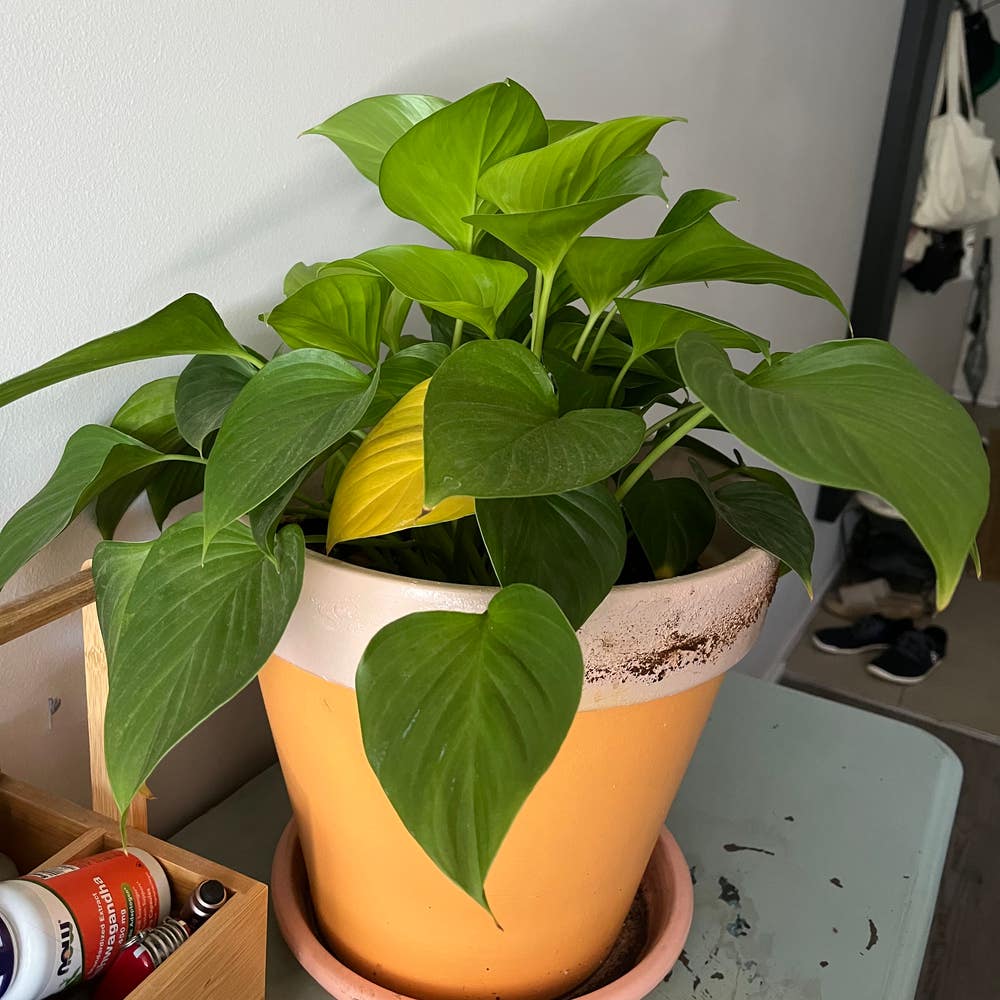
Homalomena 'Maggy': How to Plant
Homalomena rubescens 'Maggy'
By the Greg Editorial Team
Nov 07, 2024•5 min read
This article was created with the help of AI so we can cover more plants for you. May contain errors. See one? Report it here.
Unlock the secret to thriving Homalomena 'Maggy' by mastering planting vs. transplanting! 🌱
- 🌱 Plant new Homalomena 'Maggy' in spring for optimal growth and health.
- 🏺 Use well-draining, organic-rich soil to promote healthy root development.
- 🌡️ Maintain humidity above 50% and temperatures between 65°F to 80°F for best results.
Planting vs. Transplanting Homalomena 'Maggy'
When it comes to Homalomena 'Maggy', understanding the difference between planting and transplanting is crucial for success. Each process has its own timing and considerations that can impact your plant's health and growth.
🌱 Optimal Timing for Planting and Transplanting
For planting new Homalomena 'Maggy', spring or early summer is the best time. This allows the plant to establish itself during the warm months.
In contrast, transplanting established plants is best done in early spring or fall. These seasons provide milder temperatures, reducing stress on the plant.
💰 Cost Considerations
Cost is another factor to consider. New plants often come with a lower price tag, but established plants can save you time and effort in the long run.
While new plants may take longer to mature, established plants are generally more resilient and adaptable to their new environment.
⏳ Time to Maturity and Adaptability
New Homalomena 'Maggy' plants require more care as they establish roots. They may take longer to reach their full potential compared to their established counterparts.
Established plants, on the other hand, adapt better to changes in their environment. They are often more forgiving if conditions aren't perfect right away.
Understanding these key considerations will help you make informed decisions about whether to plant new Homalomena 'Maggy' or transplant an established one. With the right timing and care, your plants will thrive beautifully.
Next, let’s dive into the steps for successfully planting new Homalomena 'Maggy'.
Planting New Homalomena 'Maggy'
🌱 Steps for Successful Planting
Selecting the Right Soil Mix and Containers
Choosing the right soil mix is crucial for the health of your Homalomena 'Maggy.' Opt for a well-draining soil that is rich in organic matter to promote robust growth.
When it comes to containers, ensure they are appropriately sized with adequate drainage holes. This prevents waterlogging, which can lead to root rot.
Proper Depth and Spacing
Plant your Homalomena 'Maggy' at a depth of 2-3 inches. If you're planting multiple specimens, space them 12-18 inches apart to allow for their natural growth.
Maintaining Ideal Growing Conditions
Homalomena 'Maggy' thrives in temperatures ranging from 65°F to 80°F (18°C to 27°C). Additionally, they prefer humidity levels of 50% or higher, so consider using a humidity tray or misting them regularly.
Hardening Off Process Before Outdoor Planting
Before moving your plant outdoors, it's essential to acclimatize it. Gradually expose your Homalomena 'Maggy' to sunlight and outdoor temperatures over a period of 7-10 days.
This hardening off process helps reduce transplant shock and prepares your plant for its new environment.
By following these steps, you'll set your Homalomena 'Maggy' up for success in its new home. Next, we’ll explore how to transplant established plants effectively.
Transplanting Established Homalomena 'Maggy'
Transplanting your established Homalomena 'Maggy' can rejuvenate its growth and ensure it thrives in a new environment. Follow these straightforward steps for a successful transition.
🌱 Prepare the New Planting Site
Start by preparing the new location for your plant. Clear the area of debris and weeds, and amend the soil as needed to ensure it’s nutrient-rich and well-draining.
🪴 Remove the Plant
Next, it’s time to gently remove your Homalomena 'Maggy' from its current pot or location. Carefully loosen the soil around the roots to minimize damage, ensuring you keep as much of the root ball intact as possible.
🔄 Transfer to the New Site
Once the plant is free, position it in the new site at the same depth it was previously planted. This consistency helps the plant adjust more easily to its new surroundings.
💧 Tips for Watering and Mulching After Transplanting
After transferring, give the plant a thorough soak to help settle the soil around the roots.
- Initial Watering: Ensure the soil is well-hydrated but not waterlogged.
- Mulching: Apply a layer of organic mulch to retain moisture and regulate soil temperature.
With these steps, your Homalomena 'Maggy' will be on its way to thriving in its new home. Next, let’s explore how to troubleshoot common issues that may arise during this process.
Troubleshooting Common Issues
Addressing Transplant Shock 🌱
Transplant shock can be a real concern for your Homalomena 'Maggy'. Symptoms often include wilting, yellowing leaves, and stunted growth, signaling that your plant is struggling to adjust.
To combat transplant shock, focus on proper watering techniques. Ensure the soil is consistently moist but not soggy, and be gentle when handling the roots to avoid damage. Keep a close eye on your plant's conditions in the days following the transplant to help it recover.
Signs of Stress in Newly Planted or Transplanted Homalomena 'Maggy' 😟
Newly planted or transplanted Homalomena 'Maggy' may show signs of stress that require your attention. Look out for indicators such as leaf drop, discoloration, and slow growth, which can signal that something isn't quite right.
If you notice these symptoms, it’s time to adjust your care practices. Check for pests or diseases that could be affecting your plant, and consider modifying your watering or light exposure to better suit its needs. With a little patience and care, your plant can bounce back and thrive.
⚠️ Safety First
This content is for general information and may contain errors, omissions, or outdated details. It is not medical, veterinary advice, or an endorsement of therapeutic claims.
Always consult a qualified healthcare professional before using any plant as food, medicine, or supplement.
Never eat any plant (or feed one to pets) without confirming its identity with at least two trusted sources.
If you suspect poisoning, call Poison Control (800) 222-1222, the Pet Poison Helpline (800) 213-6680, or your local emergency service immediately.
Spotted an error? Please report it here.
Planting your Homalomena 'Maggy' successfully is within reach 🌿—let Greg guide you with tailored care tips and reminders to help your plant thrive!