Identifying What is Eating Your Cholla 🐞
Cylindropuntia spp.
By the Greg Editorial Team
Oct 11, 2024•6 min read
This article was created with the help of AI so we can cover more plants for you. May contain errors. See one? Report it here.
- 🌵 Cholla cacti attract wildlife due to their sweet, nutrient-rich fruit.
- 🦌 Deer and rabbits are common culprits damaging Cholla; look for signs of browsing.
- 🚫 Effective deterrents include repellents, fencing, and companion planting to protect Cholla.
Cholla Appearance and Appeal
Description of Cholla Appearance 🌵
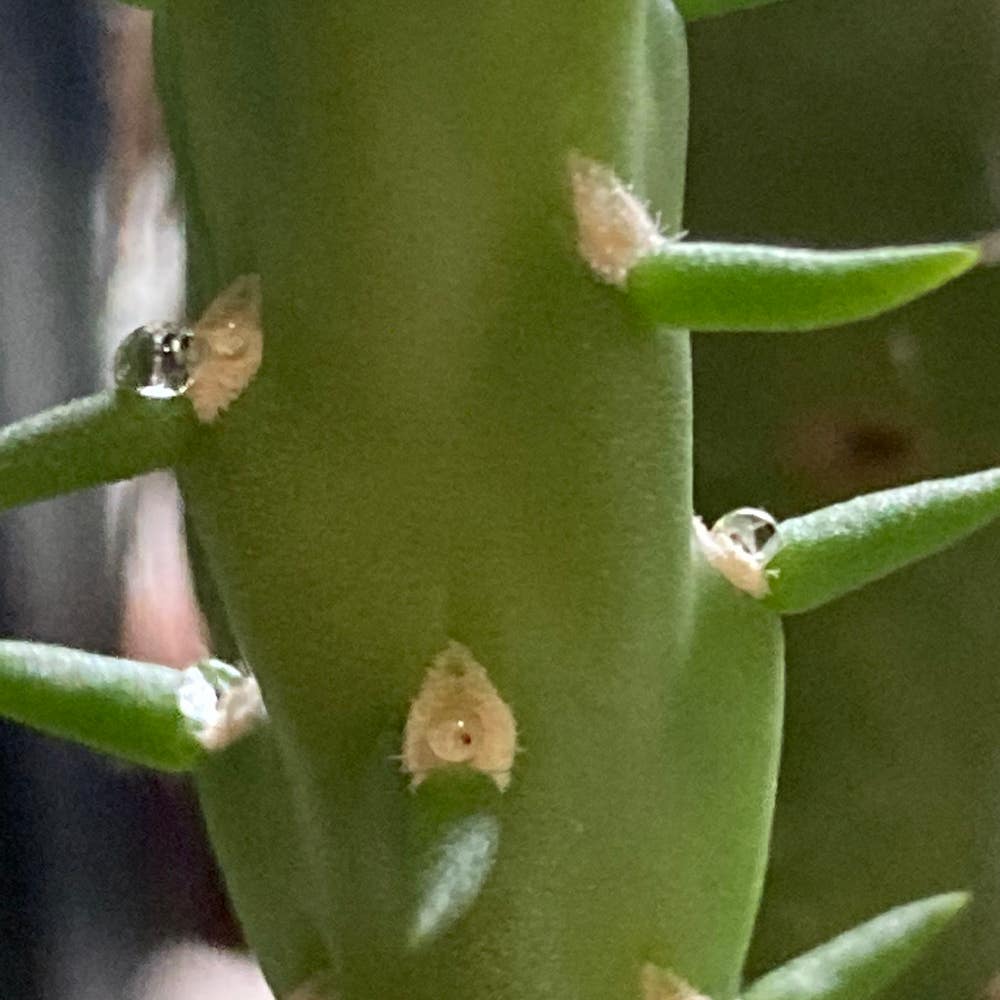
Cholla cacti are striking with their segmented stems, each adorned with a spiny texture that can deter many animals. These plants vary significantly in height and width, making them versatile additions to any landscape.
Color is another captivating aspect of Cholla. The stems can range from deep greens to vibrant yellows, while the flowers bloom in shades of pink, red, and white, adding a splash of color to arid environments.
Most Appealing Parts of Cholla to Animals 🐾
Cholla fruit is a standout feature, known for being nutrient-rich and sweet. This makes it a favorite among various wildlife, eager to indulge in its juicy offerings.
The flowers also attract attention, boasting bright colors and a delightful fragrance that beckons pollinators. Additionally, young shoots are tender and succulent, making them an ideal snack for herbivores seeking nourishment.
As you explore the beauty and allure of Cholla, it's essential to recognize how these characteristics can attract various animals. This understanding sets the stage for identifying potential challenges in maintaining your Cholla plants.
Common Herbivores Affecting Cholla
🦌 Deer
Signs of presence and damage caused
Look for hoof prints near your Cholla plants; these tracks indicate deer activity. You may also notice that leaves and young shoots have been stripped away, a clear sign of browsing.
Beneficial vs. harmful interaction
Deer interactions are generally harmful. Their feeding can lead to significant damage, stunting growth and even killing the plant.
Deterrent methods
To keep deer at bay, consider using commercial deer repellents. Organic methods like installing an 8-foot tall fence or using strong scents, such as garlic, can also be effective.
🐇 Rabbits
Signs of presence and damage caused
Rabbits leave small, round droppings near Cholla, which can be a telltale sign of their presence. Look for clean cuts on young shoots, indicating they’ve been gnawed on.
Beneficial vs. harmful interaction
Rabbits are generally harmful to Cholla. They can decimate young plants, making it crucial to manage their presence.
Deterrent methods
Bitter-tasting sprays can deter rabbits effectively. Additionally, planting rabbit-resistant species nearby can help protect your Cholla.
🐿️ Squirrels
Signs of presence and damage caused
Chewed stems are a common sign that squirrels are feeding on your Cholla. You might also find evidence of nesting in nearby trees.
Beneficial vs. harmful interaction
Squirrels are generally harmful. Their feeding can cause structural damage to the Cholla, weakening the plant over time.
Deterrent methods
Consider using squirrel repellents to keep these critters away. Organic options like motion-activated sprinklers or noise deterrents can also be effective.
🐦 Birds
Signs of presence and damage caused
Look for peck marks on fruits and flowers, which indicate birds have been feeding. Nesting activity can also be a sign that birds are using Cholla for shelter.
Beneficial vs. harmful interaction
Birds can be beneficial, aiding in pollination and seed dispersal. Their presence can enhance the ecosystem around your Cholla.
Deterrent methods
Non-toxic bird repellents can help manage bird interactions. Scare tactics, such as reflective tape, can also deter them without causing harm.
🐭 Rodents (mice, voles, etc.)
Signs of presence and damage caused
Rodents often leave burrows near the base of Cholla plants. Look for gnawing damage on roots and lower stems, which can weaken the plant.
Beneficial vs. harmful interaction
Rodents are generally harmful. Their activity can compromise the structural integrity of your Cholla.
Deterrent methods
Consider using rodent bait stations as a chemical deterrent. Organic methods like trapping and habitat modification can also help manage their populations.
🦡 Groundhogs/Woodchucks
Signs of presence and damage caused
Large burrows near Cholla plants are a clear sign of groundhogs or woodchucks. You may also notice significant damage to lower stems and roots from their browsing.
Beneficial vs. harmful interaction
These animals are generally harmful, as they can lead to plant death if not managed properly.
Deterrent methods
Commercial repellents can deter groundhogs effectively. Organic methods like fencing and habitat disruption can also help protect your Cholla.
Understanding the common herbivores that affect Cholla is crucial for maintaining its health. By recognizing signs of damage and employing effective deterrent methods, you can protect your plants and ensure they thrive. Next, let’s explore general strategies for protecting Cholla from these herbivores.
General Strategies for Protecting Cholla
🛡️ Preventive Measures for Herbivore Damage
To safeguard your Cholla, strategic plant placement is key. Position your Cholla away from common herbivore paths to minimize encounters.
Companion planting can also be a game-changer. By incorporating plants that deter herbivores, you create a natural barrier that protects your Cholla.
⚠️ Reactive Solutions for Managing Animal Interactions
Regular monitoring is essential for early detection of damage. Inspect your Cholla frequently for signs of herbivore activity.
When you spot trouble, immediate action is crucial. Implement deterrent methods right away to mitigate any potential harm.
🌱 Balancing Garden Ecosystem While Protecting Cholla
Encouraging beneficial wildlife is important, but managing harmful interactions is equally vital. Strive for a garden ecosystem that supports both your Cholla and helpful species.
Creating a diverse plant environment not only enhances aesthetics but also promotes a balanced ecosystem. This diversity can help deter harmful herbivores while attracting beneficial ones.
By employing these strategies, you can enjoy a thriving Cholla while maintaining a harmonious garden environment. Next, let’s explore seasonal considerations that can impact your Cholla’s health and safety.
Seasonal Considerations
🌱 Seasonal Variations in Animal Attraction to Cholla
As the seasons change, so does the activity of herbivores around Cholla plants. Spring and summer see a notable uptick in herbivore activity, driven by the availability of fresh growth and the need for sustenance.
During these warmer months, Cholla begins to flower and bear fruit, which are particularly enticing to animals. The bright blooms and nutrient-rich fruits act like a magnet, drawing in various herbivores eager for a tasty treat. This increased attraction can lead to heightened competition among animals, making it crucial for gardeners to stay vigilant.
Understanding these seasonal patterns can help you better protect your Cholla. By anticipating when herbivores are most active, you can implement preventive measures to safeguard your plants effectively.
In the next section, we will explore general strategies for protecting Cholla from these hungry visitors.
Toxicity and Safety
🐾 Toxic Effects of Cholla on Animals
Cholla cacti possess mild toxicity that can deter some herbivores from overindulging. While not lethal, consuming Cholla may lead to gastrointestinal distress in animals, making them think twice before munching on those spiny stems.
🧤 Safety Considerations for Gardeners
When handling Cholla, it's essential to use gloves to protect your skin from its spines. Additionally, being aware of local wildlife is crucial; understanding which animals might be affected by Cholla can help you manage your garden more effectively.
🌱 Practical Tips for Gardeners
- Use Gloves: Always wear gloves when working with Cholla to avoid painful prickles.
- Know Your Neighbors: Familiarize yourself with local wildlife to anticipate any potential interactions with your Cholla plants.
By taking these precautions, you can enjoy the beauty of Cholla while ensuring a safe environment for both your plants and the animals around them.
As you navigate the challenges of maintaining your Cholla, consider the seasonal variations in animal attraction to these unique plants.
⚠️ Safety First
This content is for general information and may contain errors, omissions, or outdated details. It is not medical, veterinary advice, or an endorsement of therapeutic claims.
Always consult a qualified healthcare professional before using any plant as food, medicine, or supplement.
Never eat any plant (or feed one to pets) without confirming its identity with at least two trusted sources.
If you suspect poisoning, call Poison Control (800) 222-1222, the Pet Poison Helpline (800) 213-6680, or your local emergency service immediately.
Spotted an error? Please report it here.
Keep your Cholla thriving 🌵 by using Greg's personalized tips to deter pesky herbivores and monitor for any signs of damage!