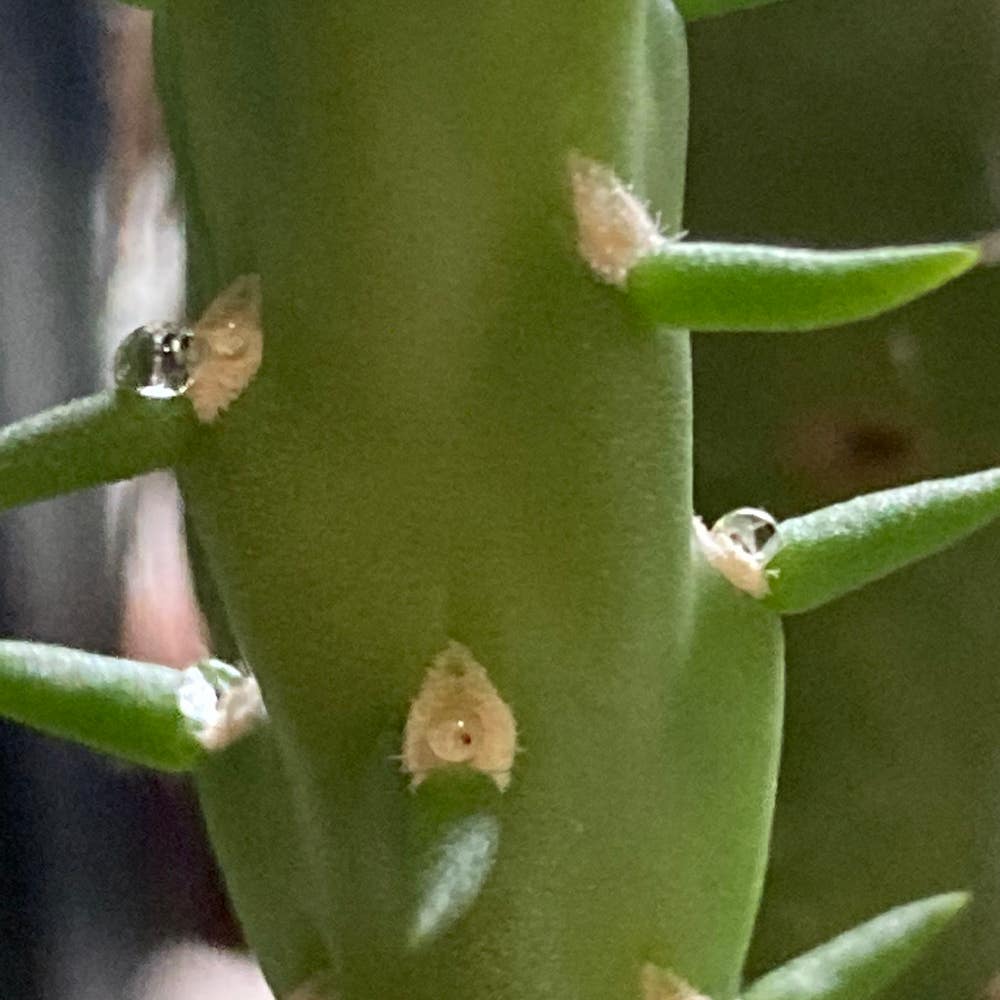
5 Tips for Identifying Bugs on Cholla 🐞
Cylindropuntia spp.
By the Greg Editorial Team
Oct 11, 2024•6 min read
This article was created with the help of AI so we can cover more plants for you. May contain errors. See one? Report it here.
- 🐜 Identify common pests like spider mites and aphids to protect your cholla.
- 🔍 Look for damage signs such as yellowing leaves and webbing for early detection.
- 🌱 Implement integrated pest management for a holistic approach to pest control.
Common Pests Affecting Cholla
🕷️ Spider Mites
Identification Features
Spider mites are tiny, spider-like pests that can be red or green. Look for fine webbing on the plant, especially in dry conditions.
Damage Description
These pests cause yellowing leaves and stippling. You may also notice sticky leaves due to honeydew excretion.
Treatment Options
For chemical control, use miticides specifically designed for spider mites. Organic options include neem oil or insecticidal soap.
🐢 Scale Insects
Identification Features
Scale insects are small, oval-shaped, and often have a waxy appearance, ranging from white to brown. You might find a sticky residue on the leaves.
Damage Description
They can lead to yellowing and wilting of leaves. Additionally, honeydew can promote sooty mold growth.
Treatment Options
Chemical treatments include systemic insecticides. For organic solutions, consider rubbing alcohol or horticultural oil.
❄️ Mealybugs
Identification Features
Mealybugs appear as white, cottony masses on stems and leaf joints. They are soft-bodied and can be easily wiped off.
Damage Description
These pests weaken the plant, leading to stunted growth. Sticky leaves and potential sooty mold are also common signs.
Treatment Options
Chemical treatments involve insecticidal soap or systemic treatments. Organic methods include manual removal and neem oil application.
🍏 Aphids
Identification Features
Aphids are small, pear-shaped insects that can be green, black, or brown. They often cluster on new growth.
Damage Description
Look for curling leaves and stunted growth. Sticky leaves from honeydew are another telltale sign.
Treatment Options
For chemical control, broad-spectrum insecticides work well. Organic alternatives include introducing ladybugs or using neem oil.
🦋 Whiteflies
Identification Features
Whiteflies are tiny, white, moth-like insects that fly away when disturbed. Their eggs appear as tiny yellow dots on the undersides of leaves.
Damage Description
These pests cause yellowing leaves and reduced vigor. Sticky leaves and potential sooty mold are also indicators.
Treatment Options
Chemical options include insect growth regulators. For organic control, yellow sticky traps and insecticidal soap are effective.
🐞 Weevils
Identification Features
Weevils are small, elongated beetles with distinctive snouts. Their larvae may be found inside the plant tissue.
Damage Description
They create chewing damage on leaves and stems, which can weaken or even kill the plant.
Treatment Options
Targeted insecticides for weevils are available chemically. Organic solutions include beneficial nematodes or diatomaceous earth.
🦟 Fungus Gnats / Fruit Flies
Identification Features
Fungus gnats are small, dark flies often seen flying around the soil. Their larvae are tiny, white, and found in the soil.
Damage Description
These pests can cause root damage, leading to poor nutrient uptake. You may notice wilting and yellowing of the plant.
Treatment Options
Chemical treatments target adult flies with specific insecticides. For organic control, allow the soil to dry out and use sticky traps.
Understanding these common pests is crucial for maintaining healthy cholla plants. By recognizing their signs and implementing effective treatments, you can keep your plants thriving. Next, let’s explore the natural pest resistance of cholla and how it can help in pest management.
Pest Resistance of Cholla
🌵 Natural Pest Resistance
Cholla cacti have evolved unique adaptations that help them fend off pests. Their spines and thick skin act as formidable barriers, making it difficult for many insects to access the plant.
Additionally, cholla thrives in arid conditions, which naturally limits the prevalence of pests. This resilience allows them to flourish even in challenging environments.
🐞 Pests Less Likely to Affect Cholla
Cholla is generally resistant to larger herbivores, which often shy away from its tough exterior. Certain common pests, like specific beetles, also tend to avoid cholla, making it a low-maintenance choice for gardeners.
This natural pest resistance not only simplifies care but also enhances the plant's longevity. Understanding these traits can empower you to cultivate healthier cholla specimens.
As we explore further, let's delve into effective prevention strategies to keep your cholla thriving.
Prevention Strategies for Cholla
🧼 Plant Hygiene Practices
Keeping your cholla healthy starts with good hygiene. Regularly remove dead leaves and debris around the base to minimize pest habitats.
Clean your tools and pots, too. This simple step can prevent the transfer of pests from one plant to another, ensuring a healthier environment for your cholla.
🔍 Regular Inspection Routines
Make it a habit to check your cholla weekly, especially during peak growing seasons. Look for signs of pests, such as sticky leaves, webbing, or any unusual growth patterns.
Early detection is key. The sooner you spot a problem, the easier it is to manage.
🌬️ Environmental Conditions to Monitor
Proper watering is crucial for your cholla's health. Avoid overwatering, as this can create a breeding ground for pests.
Also, ensure adequate air circulation around the plant. Good airflow helps prevent moisture buildup, which can attract unwanted pests.
By implementing these prevention strategies, you can keep your cholla thriving and resilient against pests. Next, let’s explore general pest management techniques to further safeguard your plant.
General Pest Management for Cholla
🌱 Integrated Pest Management (IPM) Principles
Integrated Pest Management (IPM) is a holistic approach to pest control that combines cultural, biological, and chemical practices. This strategy not only targets existing pests but also focuses on preventing future infestations.
Regular monitoring of pest populations is crucial. By establishing thresholds, you can determine when action is necessary, ensuring that interventions are timely and effective.
🔍 Importance of Early Detection and Intervention
Early detection is your best defense against pest issues. Identifying problems quickly can prevent them from escalating into larger infestations that threaten your cholla.
Make it a habit to monitor your plants regularly. Prompt treatment can save your cholla and keep it thriving in its environment.
By embracing these pest management principles, you can enjoy a healthier, more resilient cholla. Next, let’s explore effective prevention strategies to keep your plant in top shape.
Distinguishing Between Similar Pests
🕵️♂️ Tips for Identifying Different Pests
Identifying pests can feel overwhelming, but focusing on size, color, and behavior makes it manageable. Take a moment to observe these characteristics closely; they often hold the key to accurate identification.
Using pest pictures as a reference can also be incredibly helpful. Visual aids can clarify what you’re dealing with, making it easier to pinpoint the specific pest affecting your cholla.
🔍 Visual Cues and Characteristics to Look For
Pay attention to sticky leaves, which may indicate the presence of aphids or whiteflies. These pests excrete honeydew, leading to that telltale stickiness.
Webbing on your cholla suggests spider mites are at work, while cottony masses signal mealybugs. Recognizing these visual cues can help you act swiftly and effectively against infestations.
With these tips in hand, you’re better equipped to tackle pest issues head-on. Next, let’s explore the pest resistance of cholla and how its unique features help fend off unwanted visitors.
⚠️ Safety First
This content is for general information and may contain errors, omissions, or outdated details. It is not medical, veterinary advice, or an endorsement of therapeutic claims.
Always consult a qualified healthcare professional before using any plant as food, medicine, or supplement.
Never eat any plant (or feed one to pets) without confirming its identity with at least two trusted sources.
If you suspect poisoning, call Poison Control (800) 222-1222, the Pet Poison Helpline (800) 213-6680, or your local emergency service immediately.
Spotted an error? Please report it here.
Keep your cholla thriving and bug-free 🌵 by using Greg's personalized pest alerts and identification tools to stay one step ahead of any pesky invaders!