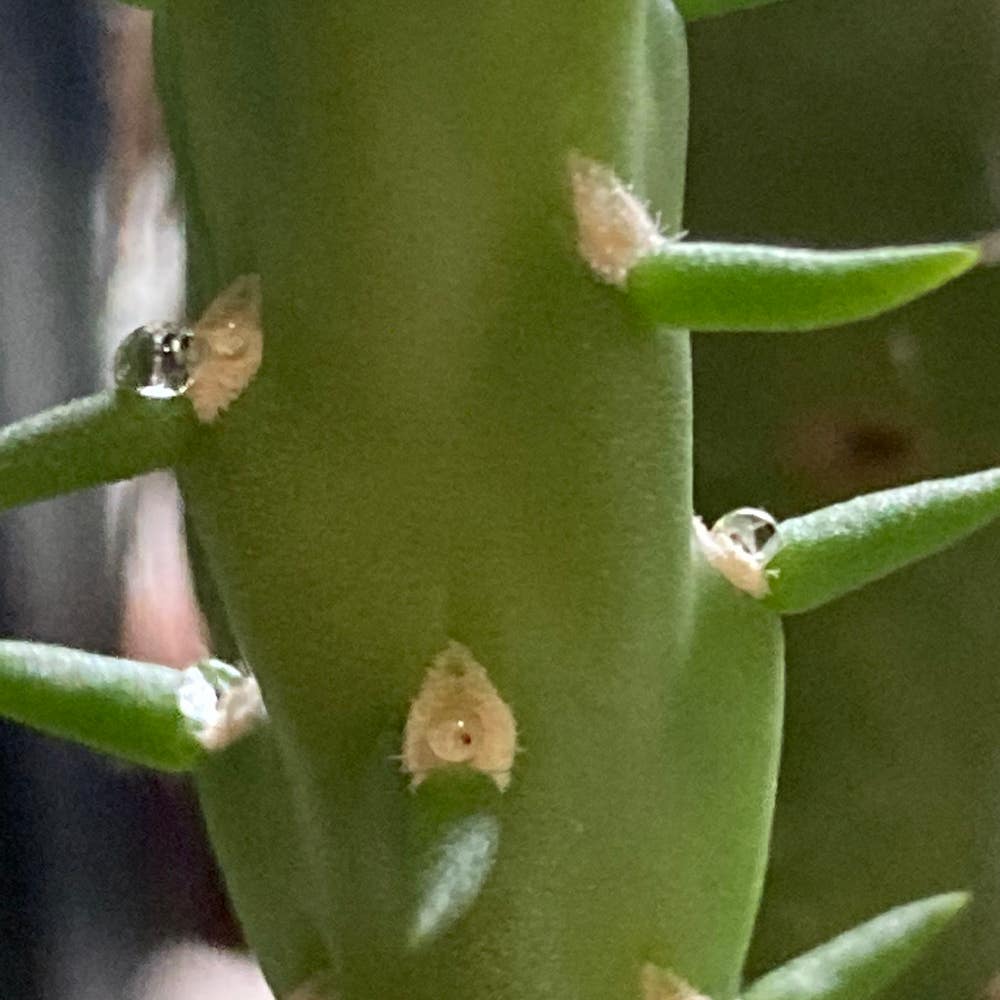
🌵 Full Grown Size of Cholla
Cylindropuntia spp.
By the Greg Editorial Team
Oct 11, 2024•5 min read
This article was created with the help of AI so we can cover more plants for you. May contain errors. See one? Report it here.
- 🌵 Cholla cacti grow 3 to 10 feet tall, depending on species and conditions.
- ☀️ Optimal growth requires 6-8 hours of sunlight and well-draining soil.
- 🌱 Pruning every 1-2 years promotes healthier, bushier Cholla plants.
Mature Height and Spread
Height 🌵
Cholla cacti can reach impressive heights, typically ranging from 3 to 10 feet, depending on the species. For instance, the Teddy Bear Cholla usually grows up to 6 feet tall, while the Staghorn Cholla can soar to a remarkable 10 feet.
Spread 📏
When it comes to spread, Cholla cacti generally average between 2 to 5 feet. Several factors influence this spread, including the specific growth habits of each species and the environmental conditions they thrive in.
Understanding these dimensions can help you choose the right Cholla for your space, ensuring it fits well within your landscape. As we explore growth rates and the time it takes for these cacti to reach full size, you'll gain further insights into their unique characteristics.
Growth Rate and Time to Full Size
🌱 Growth Rate
Cholla cacti typically grow at an average rate of 6 to 12 inches per year under optimal conditions. However, this growth rate can vary significantly based on the specific species and environmental factors.
Soil quality and watering practices play crucial roles in determining how quickly a Cholla will thrive. Well-draining soil and appropriate watering can boost growth, while poor conditions can hinder it.
⏳ Timeframe to Full Size
Reaching full size usually takes between 5 to 10 years, depending on the species and growing conditions. Several factors influence this timeline, including soil type, sunlight exposure, and water availability.
For instance, Cholla cacti in nutrient-rich soil with ample sunlight will typically grow faster than those in shaded or poor soil. Understanding these elements can help you cultivate a healthier, more robust plant.
In summary, knowing the growth rate and timeframe for Cholla cacti can guide you in creating the best conditions for their development. Next, we’ll explore how size can vary among different Cholla species, shedding light on their unique growth characteristics.
Size Variability Among Species
🌱 Comparison of Growth Rates
Cholla cacti come in a fascinating range of sizes and growth rates. Understanding these differences can help you choose the right species for your garden or landscape.
Common Species Overview
- Teddy Bear Cholla: Typically grows up to 6 feet tall, with a moderate growth rate of about 6 to 12 inches per year.
- Staghorn Cholla: This giant can reach heights of up to 10 feet, thriving in optimal conditions and showcasing impressive growth.
Dwarf vs. Giant Varieties
Dwarf varieties, like the Bunny Ears Cholla, usually max out at around 2 feet. They grow slower, often taking longer to reach maturity compared to their towering cousins.
In contrast, giant varieties can dominate the landscape. For example, the Golden Cholla not only grows taller but also spreads wider, making it a striking addition to any desert garden.
📅 Growth Timelines
The time it takes for these species to reach full size varies significantly. Dwarf varieties may take 5 to 7 years to mature, while giants can take up to 10 years, depending on environmental factors.
Understanding these growth rates helps in planning your garden layout and ensuring you have the right space for each species.
With this knowledge, you can make informed decisions about which Cholla to cultivate, enhancing both your garden's beauty and its ecological balance.
Next, let’s explore how growing conditions can impact the size of these remarkable cacti.
Growing Conditions Impacting Size
🌱 Soil Type
Cholla cacti thrive in well-draining sandy or rocky soils, which allow their roots to breathe and absorb nutrients effectively. In contrast, poor soil conditions can severely limit their size and overall health.
☀️ Sunlight
Full sun exposure is crucial for optimal growth, with a requirement of 6 to 8 hours of sunlight daily. Insufficient sunlight or shade can stunt growth and lead to smaller, less robust plants.
💧 Watering Practices
Infrequent, deep watering encourages deeper root systems, promoting larger sizes and healthier plants. However, overwatering can be detrimental, leading to root rot and stunted growth.
🌵 Climate Considerations
Cholla cacti flourish in hot, arid conditions typical of desert environments. They thrive in temperatures ranging from 70°F to 100°F (21°C to 38°C), making them well-suited for dry climates.
Understanding these growing conditions is essential for anyone looking to cultivate healthy, full-sized Cholla cacti. By optimizing soil, sunlight, watering, and climate, you can significantly enhance their growth potential.
Next, we’ll explore how to control the size of your Cholla through effective pruning techniques and other methods.
Controlling Size
✂️ Pruning Techniques
Pruning is essential for managing the size of your Cholla. Selective removal of older segments encourages bushier growth, making the plant more visually appealing.
Timing is crucial; the best period for pruning is late winter or early spring. This allows the plant to recover and thrive as it enters its growing season.
🚧 Other Control Methods
In addition to pruning, consider using barriers to limit the spread of your Cholla. Physical barriers can effectively contain growth, especially in smaller gardens.
Adjusting your watering practices also plays a significant role in controlling size. By managing water intake, you can influence growth rates and overall health.
⏰ Timing and Frequency
For maintenance, aim to prune every 1-2 years. This regular attention helps keep your Cholla in check and promotes a healthier plant.
Proper timing is vital to avoid stressing the plant. A little care goes a long way in ensuring your Cholla remains vibrant and well-sized.
As you refine your Cholla's size, remember that the right growing conditions also play a pivotal role. Let's explore how soil type, sunlight, and climate can further impact your plant's growth.
⚠️ Safety First
This content is for general information and may contain errors, omissions, or outdated details. It is not medical, veterinary advice, or an endorsement of therapeutic claims.
Always consult a qualified healthcare professional before using any plant as food, medicine, or supplement.
Never eat any plant (or feed one to pets) without confirming its identity with at least two trusted sources.
If you suspect poisoning, call Poison Control (800) 222-1222, the Pet Poison Helpline (800) 213-6680, or your local emergency service immediately.
Spotted an error? Please report it here.
Unlock the full potential 🌵 of your Cholla cacti with Greg's tailored care tips, ensuring they thrive beautifully in your garden!