Managing Leaf Drop on Your Cholla 🌵
Cylindropuntia spp.
By the Greg Editorial Team
Oct 11, 2024•5 min read
This article was created with the help of AI so we can cover more plants for you. May contain errors. See one? Report it here.
- 🌡️ Cholla thrives in 70°F to 100°F; avoid extreme temperature changes for health.
- 💧 Low humidity is key; high humidity can cause leaf drop in Cholla.
- 🌞 Ensure 6-8 hours of sunlight daily to prevent leaf drop and promote growth.
Causes of Leaf Drop
🌡️ Environmental Stress Factors
Extreme temperature fluctuations can be a significant stressor for your Cholla. Ideally, these cacti thrive in temperatures ranging from 70°F to 100°F (21°C to 38°C), so keep an eye on those daytime highs and nighttime lows.
Humidity also plays a crucial role. Cholla prefers low humidity levels, and high humidity can lead to unwanted leaf drop, impacting overall health.
💧 Overwatering and Underwatering
Overwatering is a common mistake that can lead to serious issues. Look for signs like yellowing pads and a mushy texture, which often indicate root rot.
On the flip side, underwatering can also be detrimental. If you notice shriveling pads or a dry appearance, it’s a clear sign that your cactus is struggling.
🪴 Soil Composition and Drainage Issues
The right soil composition is vital for your Cholla's health. A well-draining cactus mix or sandy loam is recommended to prevent water retention.
Drainage is equally important. Poor drainage can lead to root problems, which often result in leaf drop, so ensure your pot has adequate drainage holes.
🐜 Pest Infestations
Pests can wreak havoc on your Cholla. Common culprits include mealybugs and scale insects, which can cause significant damage.
Look for signs of infestation, such as sticky residue or visible pests on the pads. These pests can severely impact leaf health and overall vitality.
🦠 Disease-Related Leaf Drop
Diseases can also contribute to leaf drop in Cholla. Fungal infections and bacterial blight are common issues that can affect your cactus.
Symptoms to watch for include dark spots and wilting pads. To prevent these diseases, maintain good air circulation and avoid overwatering.
Understanding these causes will help you take proactive steps to keep your Cholla healthy and thriving. Next, let’s explore the symptoms to look for when your cactus is in distress.
Symptoms to Look For
🌿 Visual Signs of Leaf Drop
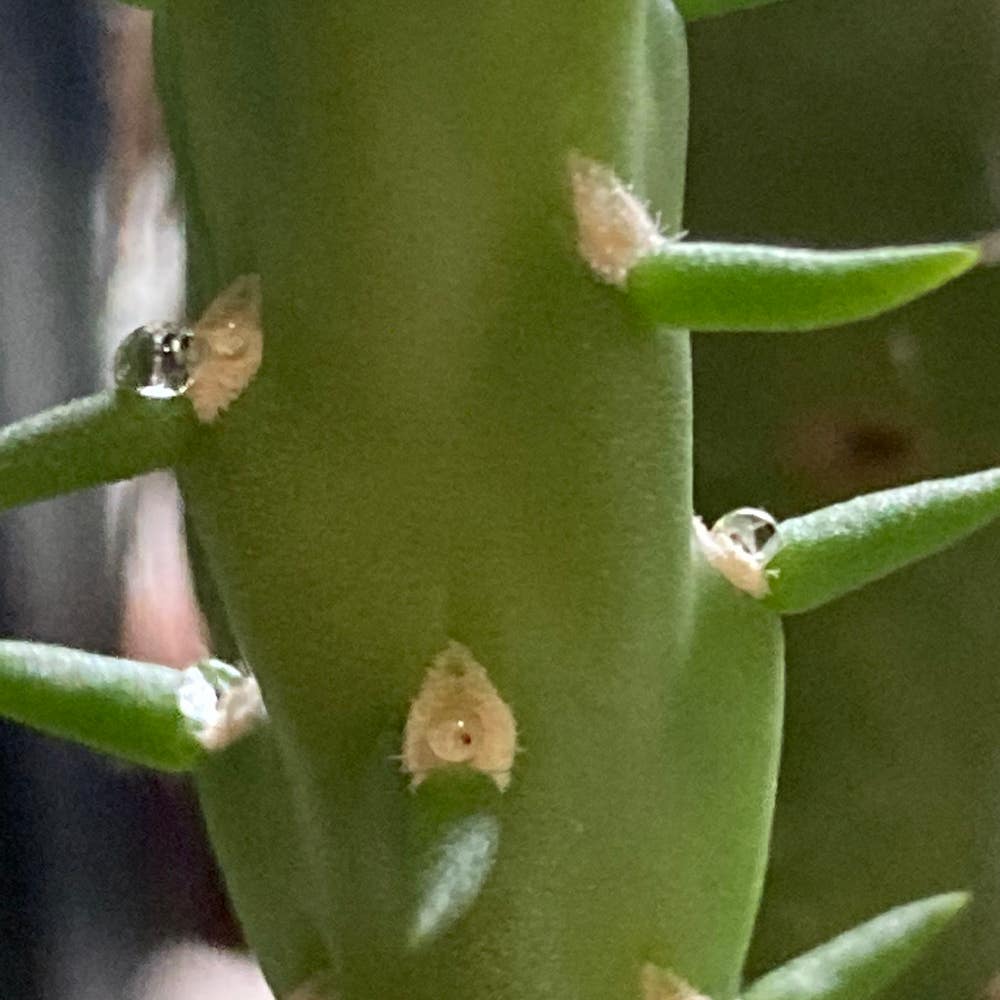
One of the first indicators of leaf drop in your Cholla is the sight of dropping pads. Pay attention to how frequently pads fall and the timing—this can help you distinguish between normal seasonal behavior and potential issues.
If you notice pads dropping outside of the typical seasonal cycle, it’s a red flag. Regularly observing your cactus can help you catch these changes early.
🔍 Other Health Indicators
Beyond dropping pads, the overall appearance of your cactus speaks volumes. Look for color changes or signs of growth stunting, which can indicate underlying problems.
Stress manifests in various ways, such as wilting, discoloration, or abnormal growth patterns. Keeping an eye on these symptoms can guide you in maintaining your Cholla's health.
Recognizing these signs early can make a significant difference in your cactus's well-being. With this knowledge, you can take proactive steps to ensure your Cholla thrives.
Preventing Leaf Drop
💧 Proper Watering Techniques
Watering your Cholla correctly is crucial for its health. Aim to water every 2-4 weeks during the growing season, adjusting based on environmental conditions.
Keep an eye out for signs of overwatering, like yellowing pads and a mushy texture. Conversely, underwatering will show up as shriveling pads and a dry appearance.
🌱 Ideal Soil Conditions
Choosing the right soil is essential for your Cholla. A cactus potting mix or a homemade blend of sand and perlite works best.
Drainage is key to preventing root problems. Always use pots with drainage holes and consider adding gravel to improve drainage.
☀️ Sunlight and Temperature Requirements
Chollas thrive in full sun, requiring 6-8 hours of exposure daily. Insufficient light can lead to leaf drop, so ensure they’re getting enough sun.
Temperature matters too. Keep daytime temperatures between 70°F to 100°F (21°C to 38°C) and monitor nighttime lows to maintain a healthy environment.
By following these guidelines, you can significantly reduce the risk of leaf drop and keep your Cholla thriving. Next, let’s explore the symptoms to look for if you suspect your cactus is struggling.
Treating Leaf Drop
Immediate Actions to Take 🌱
Assessing your Cholla's watering practices is crucial when you notice leaf drop. Start by checking the soil moisture; stick your finger about an inch deep into the soil. If it feels dry, it’s time to water. Conversely, if it’s soggy, hold off on watering to prevent root rot.
Next, inspect your cactus for pests and diseases. Look closely at the pads for any sticky residue or visible insects like mealybugs. If you spot any, treat them promptly with insecticidal soap or neem oil to protect your plant's health.
Long-Term Care Strategies 🌿
Regular maintenance is key to preventing future leaf drop. Establish a seasonal care routine that includes monitoring soil moisture, light exposure, and overall plant health. This proactive approach can help you catch issues before they escalate.
Adjust your care based on the seasons. In the growing season, you may need to water more frequently, while in winter, reduce watering as the plant enters dormancy. Keeping an eye on these changes will ensure your Cholla thrives year-round.
With these strategies in place, you can foster a healthier environment for your Cholla, minimizing the risk of leaf drop and enhancing its resilience.
⚠️ Safety First
This content is for general information and may contain errors, omissions, or outdated details. It is not medical, veterinary advice, or an endorsement of therapeutic claims.
Always consult a qualified healthcare professional before using any plant as food, medicine, or supplement.
Never eat any plant (or feed one to pets) without confirming its identity with at least two trusted sources.
If you suspect poisoning, call Poison Control (800) 222-1222, the Pet Poison Helpline (800) 213-6680, or your local emergency service immediately.
Spotted an error? Please report it here.
Keep your Cholla healthy and leafy 🌵 by using Greg's personalized care tips and reminders to tackle watering and pests effectively!