🌵 Cholla: Not an Annual
Cylindropuntia spp.
By the Greg Editorial Team
Oct 11, 2024•5 min read
This article was created with the help of AI so we can cover more plants for you. May contain errors. See one? Report it here.
- 🌵 Cholla cacti are resilient perennials, thriving for decades in harsh environments.
- 🌼 They bloom multiple times, attracting pollinators and enhancing garden aesthetics.
- 💧 Drought-resistant and low-maintenance, Cholla is perfect for sustainable xeriscaping.
Genetic and Physiological Characteristics
🌵 Long-term Lifecycle of Cholla
Cholla cacti are remarkable perennials, boasting lifespans that can stretch for decades. This longevity is a testament to their resilience and adaptability in harsh environments.
Their growth cycle begins slowly, with initial development taking its time. However, once established, Cholla can experience rapid growth phases, showcasing their ability to thrive when conditions are right.
📈 Growth Patterns and Reproductive Strategies
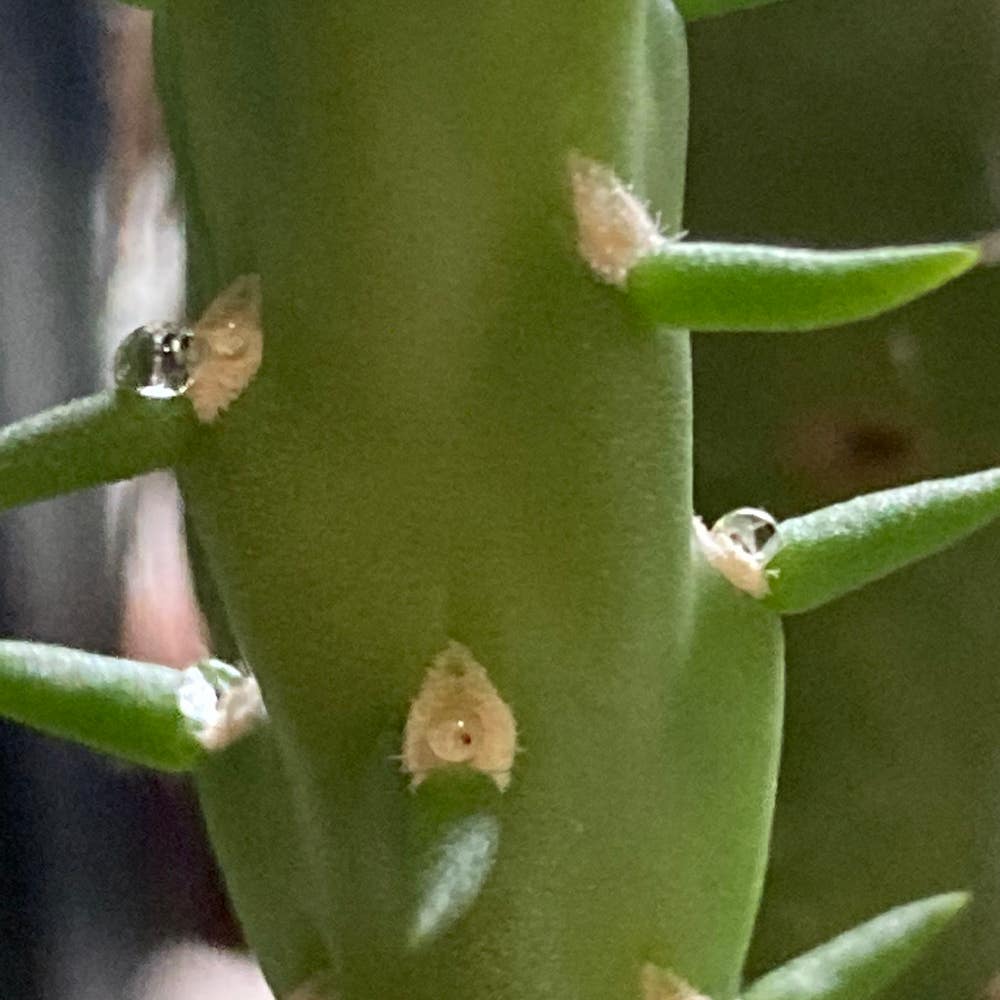
Cholla features segmented stems, a clever adaptation that aids in water conservation and nutrient storage. This structure allows the plant to survive in arid conditions, making it a champion of drought resilience.
During warmer months, Cholla springs into action, actively growing and flourishing. In contrast, it enters dormancy during colder seasons, conserving energy and resources.
When it comes to reproduction, Cholla produces vibrant flowers that not only beautify the landscape but also attract essential pollinators. This flowering strategy enhances its chances of successful reproduction.
Moreover, Cholla seeds have a unique survival mechanism. They can remain dormant until conditions are just right, ensuring that the next generation has the best chance of thriving in a challenging environment.
With these genetic and physiological traits, Cholla stands out as a resilient and adaptive plant. Understanding these characteristics sets the stage for appreciating its role in garden design and planning.
Lifecycle Comparison: Cholla vs. True Annuals
🌱 Differences in Growth and Flowering
Cholla cacti have a multi-year growth cycle, allowing them to thrive over decades. In contrast, true annuals complete their lifecycle within a single year, sprouting, flowering, and dying off in one season.
Cholla's flowering frequency is another standout feature. Unlike annuals that bloom just once, Cholla produces vibrant flowers multiple times throughout its lifespan, creating a stunning display over the years.
🌼 Implications of Perennial Nature
The extended flowering period of Cholla means it can grace your garden with blooms across several seasons. This not only enhances visual appeal but also supports local pollinators, making it a valuable addition to any landscape.
Moreover, Cholla's ability to produce seeds over its lifetime offers more opportunities for seed dispersal and germination. This resilience ensures that even in challenging conditions, Cholla can continue to thrive and propagate, unlike annuals that rely on a single season for reproduction.
As we explore the variations and exceptions in Cholla's classification, it's essential to understand how environmental factors can influence its growth and appearance.
Variations and Exceptions in Classification
Conditions Leading to Misidentification 🌵
Cholla cacti can sometimes be misidentified, especially under environmental stress. In extreme drought or poor soil conditions, these resilient plants may exhibit stunted growth, making them look more like annuals than the perennials they truly are.
Young Cholla plants often resemble annuals due to their smaller size. This can lead to confusion for gardeners and enthusiasts who may not recognize their long-term potential.
Regional Differences Affecting Classification 🌍
Habitat variations play a significant role in how Cholla thrives. In some regions, these cacti may struggle to grow, leading to misconceptions about their lifecycle and overall classification.
Additionally, Cholla species adapt to local climates, which can result in varying growth patterns. Understanding these regional differences is crucial for accurate identification and appreciation of this remarkable plant.
As we delve deeper into the world of Cholla, it's essential to recognize these nuances, paving the way for better garden design and planning.
Garden Design and Planning
🌵 Advantages of Using Cholla
Cholla cacti are perfect for xeriscaping due to their remarkable drought resistance. They thrive in low-water gardens, making them a sustainable choice for eco-conscious gardeners.
Their unique structure and vibrant flowers add a striking aesthetic to any landscape. Whether in full bloom or standing tall in the sun, Cholla brings a distinct charm that enhances garden beauty.
🌼 Incorporating Cholla into Planting Schemes
Companion planting with Cholla can create a harmonious desert garden. Pairing it with other drought-tolerant plants not only looks great but also promotes a balanced ecosystem.
Layering is another effective strategy. Use Cholla as a focal point in your garden design, allowing its height and texture to complement shorter plants, creating depth and visual interest.
Incorporating Cholla into your garden not only beautifies your space but also supports sustainable practices. As you plan your planting schemes, consider how this resilient plant can thrive alongside others, enriching your garden's overall appeal.
Management Tips for Longevity
🌱 Best Practices for Managing Cholla
To keep your Cholla thriving, start with the right soil. Well-drained soils are essential to prevent root rot, which can be detrimental to these resilient plants.
Next, consider your watering schedule. Cholla thrives on minimal watering, allowing it to adapt to natural drought cycles. This approach not only conserves water but also encourages the plant's natural resilience.
⏳ Maximizing Longevity
Pruning is another key practice for maintaining Cholla health. Regularly remove dead segments to promote healthy growth and keep the plant looking its best.
Monitoring your Cholla for pests and diseases is equally important. Regular checks can help you catch any issues early, ensuring your plant remains vibrant and strong.
With these management tips, your Cholla can flourish for years, adding beauty and resilience to your garden. As you nurture these unique plants, you'll appreciate their enduring nature and adaptability.
Next, let's explore how to incorporate Cholla into your garden design effectively.
⚠️ Safety First
This content is for general information and may contain errors, omissions, or outdated details. It is not medical, veterinary advice, or an endorsement of therapeutic claims.
Always consult a qualified healthcare professional before using any plant as food, medicine, or supplement.
Never eat any plant (or feed one to pets) without confirming its identity with at least two trusted sources.
If you suspect poisoning, call Poison Control (800) 222-1222, the Pet Poison Helpline (800) 213-6680, or your local emergency service immediately.
Spotted an error? Please report it here.
Celebrate the enduring beauty of Cholla cacti 🌵 and let Greg provide tailored care reminders to help your garden thrive season after season!