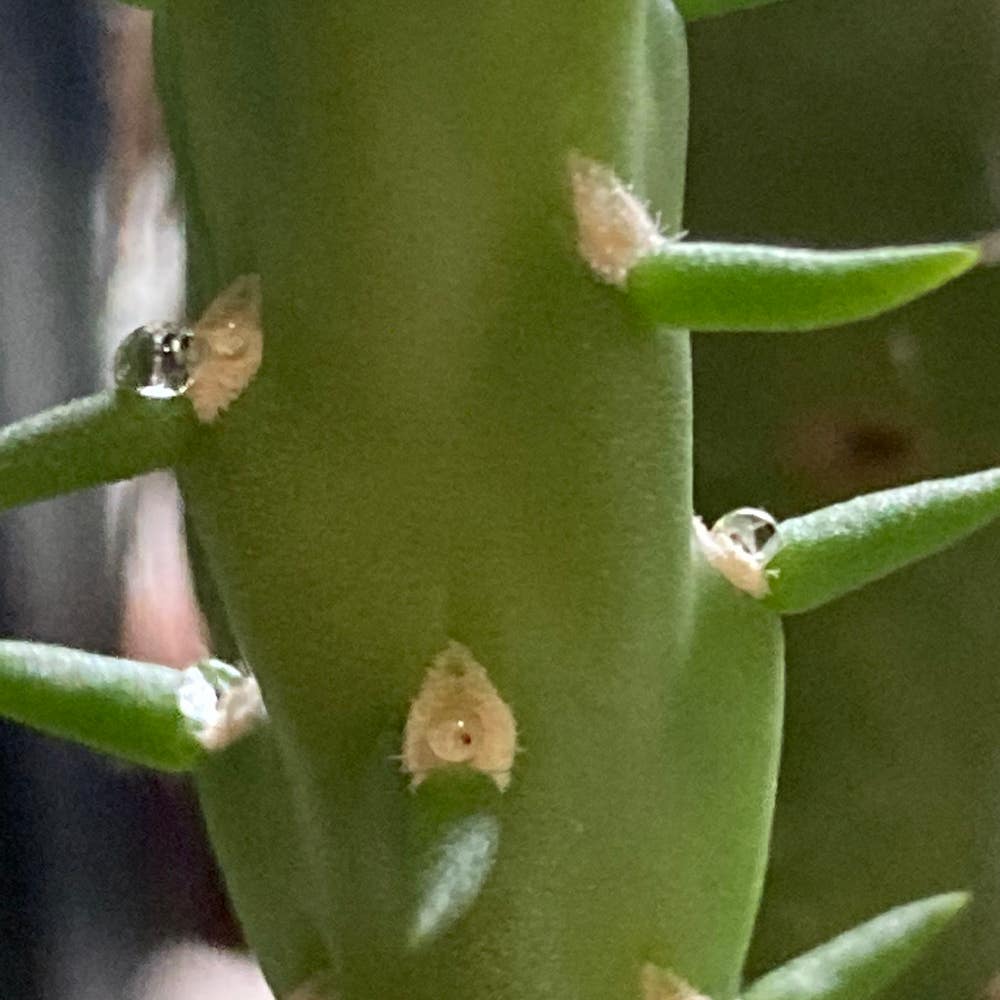
🌵 Cholla Is a Perennial
Cylindropuntia spp.
By the Greg Editorial Team
Oct 11, 2024•5 min read
This article was created with the help of AI so we can cover more plants for you. May contain errors. See one? Report it here.
- 🌵 Cholla cacti are perennials, regrowing from roots each year, thriving in arid climates.
- 🌼 Seasonal blooms enhance gardens, supporting pollination and requiring low maintenance.
- 💧 Drought-resistant features allow Cholla to conserve water and survive harsh conditions.
Lifecycle and Growth Patterns
🌱 Multi-Year Lifecycle
Cholla cacti exhibit a remarkable multi-year lifecycle. Each year, they regrow from established roots, showcasing their resilience and ability to thrive over multiple growing seasons.
This perennial nature allows Cholla to adapt and flourish in challenging environments. Their robust root systems ensure they can bounce back year after year, making them a staple in arid landscapes.
🌞 Growth Patterns and Seasonal Changes
Cholla experiences distinct seasonal growth phases. During the warmer months, you'll notice active growth, with vibrant blooms appearing in specific seasons that add a splash of color to the desert.
These cacti are masters of adaptation, exhibiting drought resistance and resource conservation strategies. They thrive in arid environments, making them an excellent choice for low-maintenance gardens.
Understanding these growth patterns helps gardeners appreciate the beauty and resilience of Cholla. As we explore further, we'll delve into their dormancy periods and how they adapt to seasonal changes.
Dormancy and Seasonal Changes
Dormancy Periods 🌵
Dormancy in Cholla occurs during extreme heat or cold, allowing the plant to conserve energy. This strategy is crucial for survival when conditions are less than favorable.
During dormancy, Cholla significantly reduces its metabolic activities. This energy conservation helps it withstand harsh environmental stresses, ensuring it can thrive when conditions improve.
Seasonal Adaptations 🍂
As Cholla enters its dormancy phase, noticeable changes occur in its appearance and behavior. Growth slows down, and water usage is minimized, allowing the plant to maintain its health.
Additionally, Cholla develops protective adaptations to endure tough conditions. These adaptations enhance its resilience, ensuring it can bounce back when the climate becomes more favorable.
Understanding these dormancy and seasonal changes is key for anyone looking to cultivate Cholla effectively. With the right knowledge, you can appreciate the plant's remarkable ability to thrive in challenging environments.
Implications of Perennial Nature
🌱 Effects on Growth and Flowering
Cholla's classification as a perennial significantly influences its growth and flowering patterns. With established root systems, these plants enjoy consistent blooming cycles, ensuring vibrant displays year after year.
This reliability in flowering not only enhances garden aesthetics but also plays a crucial role in pollination and seed production. Healthy blooms attract pollinators, which are essential for the continuation of the species.
🌼 Advantages for Gardeners
For gardeners, Cholla's perennial nature offers numerous benefits. One major advantage is the reduced need for replanting, saving both time and effort.
Additionally, the established root systems contribute to soil stability, preventing erosion and promoting a healthier garden ecosystem. Their drought resistance makes Cholla particularly suitable for low-maintenance gardens, allowing gardeners to enjoy beautiful landscapes with minimal water requirements.
Incorporating Cholla into your garden can lead to a thriving, sustainable environment that requires less upkeep. As we explore further, we’ll look into the lifespan and longevity factors that contribute to the enduring appeal of Cholla.
Lifespan and Longevity Factors
Expected Lifespan 🌵
Cholla cacti are impressive perennials that can thrive for several decades when given optimal conditions. Their longevity is a testament to their resilience and adaptability in various environments.
Factors Influencing Longevity 🌍
Several environmental factors play a crucial role in determining how long Cholla can live.
- Soil Quality: Nutrient-rich soil promotes healthier growth and longevity.
- Water Availability: Adequate moisture is essential, especially during active growth phases.
- Climate Conditions: Temperature extremes can impact their lifespan significantly.
Choosing the right site for planting is vital for maximizing Cholla's longevity. A well-selected location can enhance its chances of thriving for years to come.
Understanding these factors not only helps in appreciating Cholla's resilience but also guides gardeners in creating the best conditions for these remarkable plants.
As we explore further, we’ll look into how Cholla behaves across different climate zones and the adaptations that enable its survival.
Variations Across Climate Zones
🌵 Perennial Behavior in Different Climates
Cholla cacti exhibit remarkable adaptability across various climate zones. Their growth patterns shift significantly based on temperature and moisture levels, allowing them to thrive in both arid deserts and more temperate regions.
In hotter climates, Cholla may grow more rapidly during the warmer months, taking advantage of the abundant sunlight. Conversely, in cooler areas, their growth may slow down, with a focus on conserving energy during the colder seasons.
🌍 Adaptations to Various Growing Conditions
Cholla has developed specific adaptations that enhance its survival in diverse environments. One key adaptation is the variation in root depth; deeper roots allow the cactus to access moisture from lower soil layers during dry spells.
Additionally, Cholla's stem structure is designed to withstand extreme weather conditions. Its thick, fleshy stems store water, enabling the plant to endure prolonged droughts while minimizing water loss through evaporation.
These adaptations not only ensure the Cholla's survival but also contribute to its resilience, making it a fascinating choice for gardeners looking to incorporate hardy, drought-resistant plants into their landscapes.
As we explore the implications of Cholla's perennial nature, we’ll uncover how these traits benefit both the plant and the gardener.
Maximizing Benefits in Garden Planning
🌱 Tips for Long-Term Cultivation
When planting Cholla, site selection is crucial. Choose a location with well-draining soil and plenty of sunlight to encourage healthy growth.
Soil preparation is equally important. Amend the soil with organic matter to enhance its structure and nutrient content, promoting robust root development.
Watering strategies can make or break your Cholla's success. During active growth, ensure consistent moisture, but reduce watering during dormancy to prevent root rot.
🌼 Planning for Cholla in Garden Design
Incorporating Cholla into your garden layout can be both functional and beautiful. Pair it with other drought-resistant plants to create a sustainable, low-maintenance landscape.
Consider the visual appeal of seasonal blooms. Arrange Cholla alongside flowering companions to enjoy a vibrant display throughout the growing season.
By thoughtfully planning your garden, you can maximize the benefits of Cholla while creating an inviting outdoor space. This approach not only enhances aesthetics but also fosters a resilient ecosystem.
As you design your garden, keep in mind the unique characteristics of Cholla to ensure a thriving environment.
⚠️ Safety First
This content is for general information and may contain errors, omissions, or outdated details. It is not medical, veterinary advice, or an endorsement of therapeutic claims.
Always consult a qualified healthcare professional before using any plant as food, medicine, or supplement.
Never eat any plant (or feed one to pets) without confirming its identity with at least two trusted sources.
If you suspect poisoning, call Poison Control (800) 222-1222, the Pet Poison Helpline (800) 213-6680, or your local emergency service immediately.
Spotted an error? Please report it here.
Cultivate a thriving garden oasis 🌵 with Cholla cacti by using Greg's personalized care reminders to ensure your low-maintenance plants flourish year after year!