🌵 Step-by-Step Guide to Understanding Cholla Lifecycle
Cylindropuntia spp.
By the Greg Editorial Team
Oct 11, 2024•5 min read
This article was created with the help of AI so we can cover more plants for you. May contain errors. See one? Report it here.
- 🌱 Cholla seeds need specific conditions for germination, including moisture and temperature.
- 🌞 Optimal growth requires full sun and well-draining soil for healthy seedlings.
- 🐝 Pollination is crucial for Cholla's reproductive success, attracting essential insects.
Seed and Germination Stage
🌱 Description of Seed Characteristics
Cholla seeds are small, often oval or round, making them easy to overlook. Their hard and protective seed coat is designed to withstand harsh conditions, requiring specific triggers for germination.
🌡️ Germination Process and Conditions
For successful germination, Cholla seeds thrive in an optimal temperature range of 70°F to 85°F (21°C to 29°C). They need consistent moisture but must avoid waterlogging, as excess water can be detrimental.
Some species even require light to germinate, adding another layer of complexity to their growth. Understanding these conditions is crucial for anyone looking to cultivate Cholla.
⏳ Duration of the Germination Stage
The germination stage typically lasts between 2 to 4 weeks. However, various factors like soil type, temperature, and moisture levels can significantly affect the success of this process.
By ensuring the right conditions, you can help these resilient seeds take their first steps toward becoming mature Cholla cacti. As we move forward, we'll explore the next exciting phase: the Seedling Stage.
Seedling Stage
🌱 Characteristics of Cholla Seedlings
Cholla seedlings start as small, cylindrical structures, often lacking the spines that characterize mature plants. Their initial growth is delicate, focusing on establishing a shallow root system that efficiently absorbs water.
☀️ Environmental Requirements for Seedlings
For optimal growth, Cholla seedlings thrive in full sun. They prefer well-draining sandy or rocky soil, which prevents water accumulation that can lead to rot. Regular, moderate watering is crucial to keep them healthy without overwhelming them.
⏳ Duration of the Seedling Stage
Typically, the seedling stage lasts between 6 months to 1 year. You'll know they’re ready to progress when you see the development of spines and an increase in height, signaling their transition to the next growth phase.
Understanding the seedling stage is vital for nurturing Cholla cacti effectively. As these young plants grow, they lay the groundwork for the robust vegetative growth that follows.
Vegetative Growth Stage
Description of Vegetative Growth Features 🌱
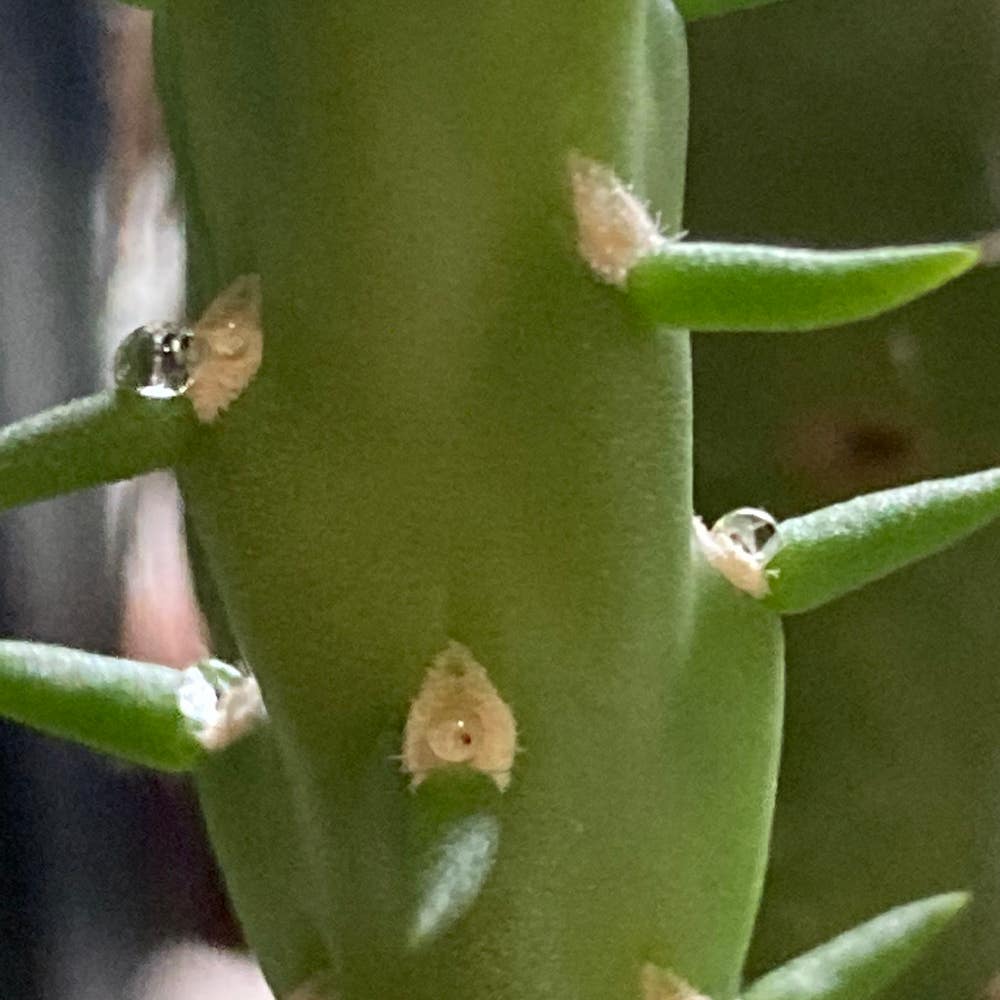
During the vegetative growth stage, Cholla cacti develop segmented stems that can soar several feet high. This stage is marked by significant morphological changes, including the emergence of spines and a branching structure that enhances the plant's resilience.
Factors Influencing Growth Rate 🌡️
The growth rate of Cholla is influenced by various environmental conditions. Key factors include temperature, soil quality, and water availability, all of which play a crucial role in determining how quickly these cacti thrive.
Species variation also affects growth rates. Different Cholla species exhibit unique characteristics that can lead to varying growth patterns, making some faster growers than others.
Duration of the Vegetative Growth Stage ⏳
Typically, the vegetative growth stage lasts between 3 to 10 years, depending on the species and environmental conditions.
Indicators of maturity during this stage include significant branching and increased stem thickness, signaling that the plant is well on its way to becoming a robust adult.
As we explore the next stage, the flowering process, we’ll see how these mature structures contribute to the Cholla's reproductive success.
Flowering Stage
Description of Flowering Characteristics 🌸
Cholla cacti are known for their stunning, bright tubular flowers that come in a variety of colors. These vibrant blooms typically emerge in late spring to early summer, adding a splash of color to the arid landscape.
Pollination Process and Its Importance 🐝
Pollination is a crucial part of the Cholla's lifecycle. The flowers attract a range of pollinators, including bees, butterflies, and other insects, which play a vital role in seed production and enhancing genetic diversity.
Duration of the Flowering Stage ⏳
The flowering stage lasts about 2 to 4 weeks, depending on environmental conditions. Weather and the availability of pollinators significantly influence the success of this stage, impacting the overall reproductive success of the plant.
As we explore the next stage, we'll delve into the fascinating process of seed production and maturation, highlighting how these flowers contribute to the Cholla's lifecycle.
Seed Production and Maturation
🌱 Overview of Seed Production Process
The seed production process begins with the formation of fleshy fruits that encase the seeds. These fruits are crucial for protecting the seeds and aiding in their dispersal.
Seed dispersal occurs through various mechanisms, including wind, animals, and natural decay. This diversity in dispersal methods ensures that Cholla seeds can reach suitable environments for germination.
🌡️ Factors Affecting Seed Maturation
Several environmental conditions influence seed maturation, particularly temperature and moisture levels. Optimal conditions can significantly enhance seed viability.
Genetic factors also play a role, as species-specific traits can affect how well seeds mature. Understanding these influences helps in predicting the success of seed production.
⏳ Duration of the Seed Production Stage
The seed production stage typically lasts about 1 to 2 months following flowering. During this time, the fruits undergo changes that signal readiness for dispersal.
Indicators of readiness include the fruits turning color and beginning to dry out. These signs are essential for knowing when the seeds are prepared for their next journey.
As we explore the overall lifespan and growth rate of Cholla, it’s fascinating to see how each stage contributes to the plant's resilience and adaptability in its environment.
Overall Lifespan and Growth Rate
Average Lifespan of Cholla 🌵
Cholla cacti can live for several decades, with some species reaching up to 50 years. Their longevity is influenced by environmental stressors, such as drought and disease resistance.
Factors Influencing Growth Speed ⏩
The growth speed of Cholla is affected by several key factors. Soil quality, water availability, and climate conditions all play significant roles in determining how quickly these cacti thrive.
Summary of Notable Changes Throughout the Lifecycle 🔄
The transition from seed to mature cactus involves remarkable morphological and structural changes. Each stage of the lifecycle is crucial, contributing to the overall health of the ecosystem and the survival of the species.
Understanding these dynamics not only enriches our appreciation of Cholla but also highlights their importance in their natural habitats. As we delve deeper into the lifecycle, we can see how each phase interconnects, setting the stage for the next chapter in their growth.
⚠️ Safety First
This content is for general information and may contain errors, omissions, or outdated details. It is not medical, veterinary advice, or an endorsement of therapeutic claims.
Always consult a qualified healthcare professional before using any plant as food, medicine, or supplement.
Never eat any plant (or feed one to pets) without confirming its identity with at least two trusted sources.
If you suspect poisoning, call Poison Control (800) 222-1222, the Pet Poison Helpline (800) 213-6680, or your local emergency service immediately.
Spotted an error? Please report it here.
Dive into the fascinating lifecycle of Cholla cacti and let Greg's personalized care tips and watering reminders help you thrive in your plant journey! 🌵