🌵 Cholla Is Considered a Weed
Cylindropuntia spp.
By the Greg Editorial Team
Oct 11, 2024•6 min read
This article was created with the help of AI so we can cover more plants for you. May contain errors. See one? Report it here.
- 🌵 Cholla cacti are invasive, thriving in poor soil and displacing native plants.
- 🐾 Many animals avoid Cholla due to spines, disrupting local ecosystems and wildlife.
- 💰 Cholla impacts agriculture by reducing yields and increasing management costs for farmers.
Identification
Key Features 🌵
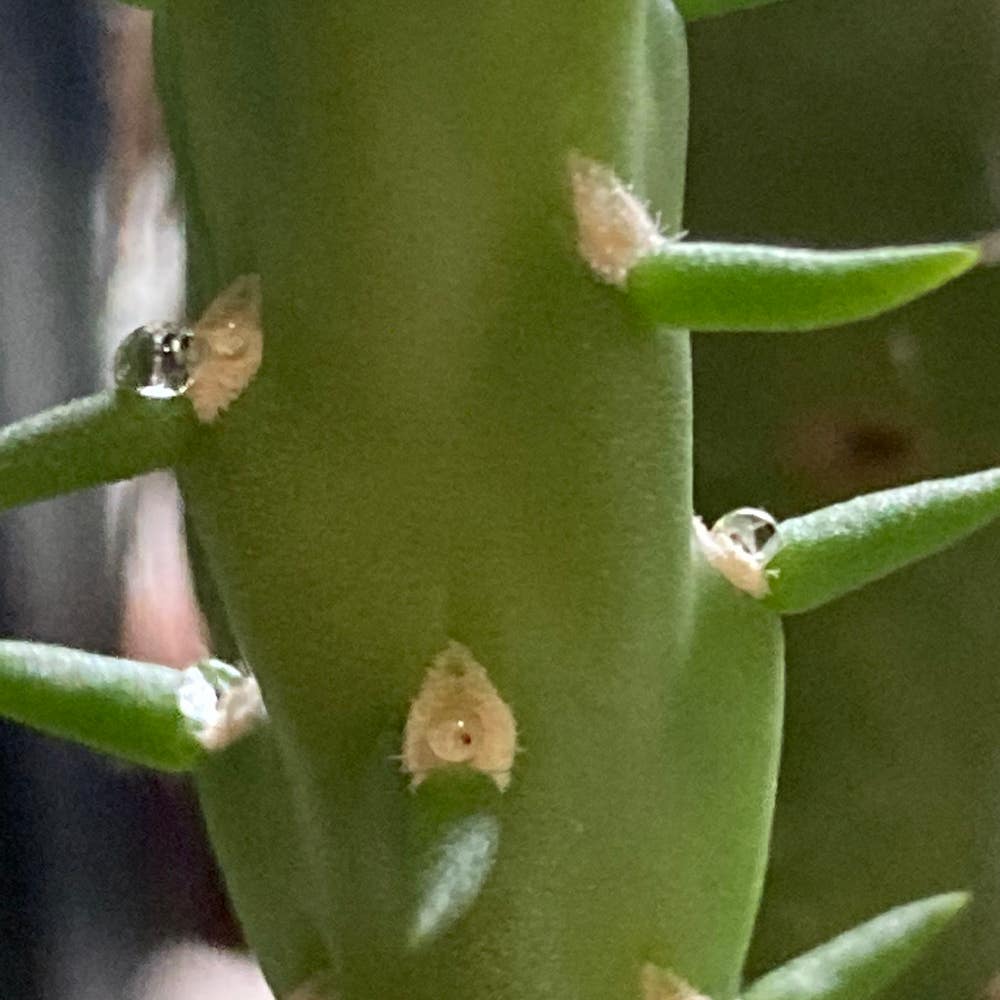
Cholla cacti are easily recognized by their cylindrical stems, which give them a unique silhouette compared to other cacti. These stems are often segmented, allowing for spiny pads to detach easily and root in new locations, contributing to their invasive nature.
In spring and summer, Cholla showcases bright yellow to green flowers that add a splash of color to arid landscapes. These blooms not only attract pollinators but also signal the plant's thriving presence in its environment.
Look-Alike Plants 👀
When distinguishing Cholla from other cacti, pay attention to the stem shape and pad structure. Unlike many other cacti, Cholla's cylindrical stems and easily detachable pads set it apart.
Additionally, the flower color can be a giveaway. While some cacti may have similar features, the specific hues of Cholla flowers help in accurate identification. Understanding these differences is crucial for effective management and control of this invasive species.
With a solid grasp of Cholla's identification, we can move on to explore its growth habits and spread.
Growth Habits and Spread
🌱 Growth Patterns
Cholla cacti are notorious for their rapid growth, especially in poor soil conditions. They can reach impressive heights of 3 to 10 feet, spreading easily through the detachment of their spiny pads.
🌼 Reproductive Strategies
Cholla employs two main reproductive strategies. First, its pads can break off and root in new locations, allowing for vegetative reproduction. Second, it produces seeds that can remain viable in the soil for years, ensuring its survival and spread.
🌵 Adaptability
This resilient plant thrives in arid and semi-arid regions, requiring minimal water to flourish. Its tolerance to poor soil conditions significantly enhances its invasive potential, making it a formidable presence in many landscapes.
Understanding these growth habits and reproductive strategies is crucial for managing Cholla effectively. Next, we’ll explore the ecological impact this invasive species has on native communities and wildlife.
Ecological Impact
🌱 Effects on Native Communities
Cholla cacti can dominate landscapes, leading to the displacement of native flora. This invasion reduces biodiversity, making ecosystems less resilient and more vulnerable to changes.
🏞️ Alteration of Habitat Structures
The presence of Cholla also alters habitat structures. It changes soil composition and moisture retention, impacting the overall health of the ecosystem.
🦉 Impact on Wildlife
Many native animals tend to avoid Cholla due to its spines, which limits its role as a food source. This avoidance can disrupt local ecosystems, affecting predator-prey dynamics and overall wildlife interactions.
💧 Influence on Resources
Cholla contributes to soil degradation, leading to erosion and nutrient depletion. Its high water consumption can significantly affect local water tables, creating challenges for other plant and animal species.
Understanding these ecological impacts is crucial for managing Cholla effectively. By recognizing its influence on native communities and resources, we can better strategize control measures and promote healthier ecosystems.
Economic Impact
Economic Losses 💸
Cholla's invasive nature leads to significant economic losses. Land management and restoration efforts can be costly, as communities strive to reclaim affected areas.
Property values also take a hit in regions heavily infested with Cholla. Homeowners may find their investments diminished as the landscape becomes overrun with this resilient weed.
Agricultural Challenges 🚜
Cholla competes fiercely with crops, reducing agricultural yields. Its thirst for water and nutrients can leave farmers struggling to maintain their harvests.
Additionally, managing Cholla incurs increased costs. Farmers often need to allocate extra resources for control measures, impacting their bottom line.
As we navigate these economic challenges, understanding the broader implications of Cholla's spread is crucial. This knowledge can empower communities to take proactive steps in management and restoration efforts.
Control and Management
Manual Removal Techniques 👐
Hand-pulling is a straightforward method for tackling small Cholla infestations. While it’s effective, it requires moderate effort and caution to avoid the spines.
Using long-handled tools can significantly reduce the risk of contact with the spines. This approach allows for safer removal, especially in denser patches.
Chemical Control Options 🧪
Herbicides can be a powerful ally in managing Cholla. Recommended products include glyphosate and triclopyr, which are effective when applied correctly.
Timing is crucial for chemical applications. The best results often come when treatments are applied in early spring or late summer, aligning with the plant's growth cycles.
Biological Control Methods 🦠
Exploring biological control methods can offer sustainable solutions. Potential natural predators, such as specific insects or diseases, may help keep Cholla populations in check.
Current research is ongoing to identify effective biological agents. This could pave the way for innovative management strategies in the future.
Preventive Measures 🚧
Implementing best practices in land management is essential to prevent Cholla establishment. Maintaining healthy native plant communities can create competition that limits Cholla's spread.
Regular monitoring and proactive measures can significantly reduce the likelihood of infestations. A well-managed landscape is less inviting for invasive species.
Early Detection and Response 🔍
Early detection is key to managing Cholla effectively. Strategies include regular site inspections and using community resources to identify new infestations promptly.
Community involvement plays a vital role in monitoring efforts. Engaging local residents can enhance awareness and foster collective action against Cholla.
By adopting these control and management strategies, we can mitigate the impact of Cholla and protect our native ecosystems. Next, we’ll delve into the legal status surrounding this invasive species and the regulations that govern its management.
Legal Status
📜 Regulations
Understanding the legal status of Cholla is crucial for effective management. Many local and state regulations classify it as an invasive species, which means there are specific guidelines governing its control.
These regulations often restrict the cultivation, sale, or transport of Cholla. Being aware of these rules can help landowners avoid potential fines and contribute to broader ecological efforts.
🚧 Removal Requirements
For landowners and managers, compliance with regulations is essential. Guidelines typically outline the necessary steps for removing Cholla, ensuring that efforts align with legal standards.
Resources are available to assist in managing Cholla infestations. Local extension services or environmental organizations can provide valuable support and information on best practices.
Understanding these legal frameworks not only helps in managing Cholla effectively but also fosters a sense of community responsibility. By adhering to regulations, we can work together to protect our native ecosystems from invasive threats.
Next, we’ll explore the potential benefits of Cholla, shedding light on its historical and current uses.
Potential Benefits
🕰️ Historical Uses
Cholla has a rich history of use among Indigenous peoples. They utilized its pads and fruits for food, crafted tools, and even harnessed its medicinal properties.
🌱 Current Applications
Today, Cholla finds limited applications in landscaping and erosion control. However, its invasive nature often overshadows these benefits, leading to a discussion about the balance between its uses and negative impacts on ecosystems.
While it can serve a purpose in specific settings, the potential for ecological disruption remains a significant concern. Understanding these benefits helps frame the broader conversation about managing Cholla effectively.
As we explore control and management strategies next, it’s essential to weigh these benefits against the challenges posed by this resilient plant.
⚠️ Safety First
This content is for general information and may contain errors, omissions, or outdated details. It is not medical, veterinary advice, or an endorsement of therapeutic claims.
Always consult a qualified healthcare professional before using any plant as food, medicine, or supplement.
Never eat any plant (or feed one to pets) without confirming its identity with at least two trusted sources.
If you suspect poisoning, call Poison Control (800) 222-1222, the Pet Poison Helpline (800) 213-6680, or your local emergency service immediately.
Spotted an error? Please report it here.
Combat Cholla invasions 🌵 with Greg's tailored tips for identifying and managing invasive species, helping you protect your local ecosystem!