What's Eating Your Candelabra Primrose 🐞
Primula beesiana
By the Greg Editorial Team
Oct 09, 2024•6 min read
This article was created with the help of AI so we can cover more plants for you. May contain errors. See one? Report it here.
Safeguard your vibrant candelabra primrose 🌼 from hungry herbivores and enhance your garden's ecosystem!
- 🌼 Candelabra primrose attracts herbivores but also benefits from pollinators like bees.
- 🦌 Deer and rabbits can damage plants; use repellents and fencing for protection.
- 🌱 Regular monitoring and companion planting help manage herbivore threats effectively.
Description and Appeal
Appearance and Characteristics 🌼
The candelabra primrose is a true showstopper in any garden. Its striking, tiered clusters of yellow-orange flowers create a vibrant display that catches the eye.
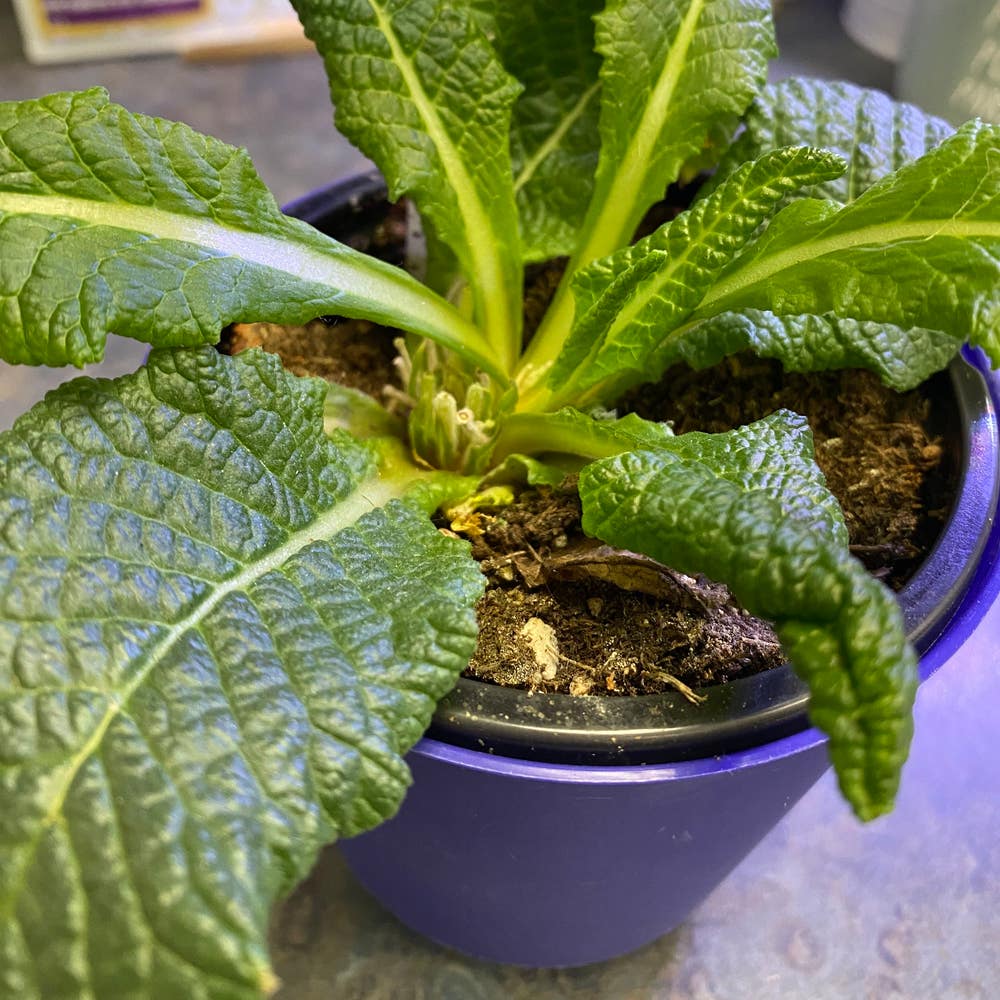
Broad, green leaves form a rosette at the base, providing a lush backdrop for the blooms. This plant thrives in moist, well-drained soil and is often found in damp meadows and along woodland edges, making it a perfect choice for those looking to enhance their garden's natural beauty.
Most Appealing Parts to Animals 🐾
Herbivores are drawn to the candelabra primrose for several reasons. The flowers are tender and high in moisture, making them a delicious treat for various animals.
Young shoots have a soft texture that many find irresistible. Additionally, the nutrient-rich fruits attract a wide range of wildlife, adding to the plant's allure in the ecosystem.
This combination of beauty and appeal makes the candelabra primrose a fascinating addition to any garden, but it also invites a host of hungry visitors.
As we explore the common herbivores that enjoy this plant, you'll see how to protect your garden while still appreciating its charm.
Common Herbivores
🦌 Deer
Signs of Presence and Damage
Deer are often easy to spot by their tracks, which leave distinct hoof prints in muddy areas. You may also notice damage from their browsing habits, characterized by ragged edges on leaves and flowers.
Impact
These creatures can be quite harmful, as they have the potential to decimate your candelabra primrose population if not managed effectively.
Deterrent Methods
To keep deer at bay, consider using commercial deer repellents. Alternatively, you can plant strong-scented herbs nearby or even use human hair or soap shavings as organic deterrents.
🐇 Rabbits
Signs of Presence and Damage
Rabbits leave small, round droppings and often nibble on the lower leaves of your plants. Their damage is typically evident through clean cuts on stems and leaves.
Impact
Like deer, rabbits can be detrimental to your primrose, leading to stunted growth and reduced flowering if their presence goes unchecked.
Deterrent Methods
For chemical solutions, try rabbit repellents that contain predator urine. On the organic side, fencing at least 2 feet high and planting rabbit-resistant plants can help keep them away.
🐿️ Squirrels
Signs of Presence and Damage
Squirrels can be identified by scratches on the ground and chewed stems. They often strip bark and dig around the roots, causing noticeable damage.
Impact
These critters can weaken your plants and disrupt their growth, making them a concern for any gardener.
Deterrent Methods
Chemical repellents containing capsaicin can deter squirrels effectively. For a more organic approach, consider installing motion-activated sprinklers or using reflective materials to scare them off.
🐦 Birds
Signs of Presence and Damage
Look for feathers and droppings near your plants to identify bird activity. They often peck at flowers and seeds, leading to visible damage.
Impact
Birds can also be harmful, as their feeding habits can reduce seed production and flowering in your primrose.
Deterrent Methods
Bird netting is a straightforward chemical solution to protect your plants. Alternatively, hanging reflective tape or wind chimes can serve as organic deterrents.
🐭 Rodents
Signs of Presence and Damage
Rodents leave small holes in the soil and droppings as signs of their presence. They tend to gnaw on roots and stems, causing significant damage.
Impact
These pests can be particularly harmful, leading to root damage and even plant death if not addressed promptly.
Deterrent Methods
For chemical control, consider using rodent bait stations. On the organic side, trapping and using natural deterrents like peppermint oil can be effective strategies.
Understanding these common herbivores and their impacts can help you protect your candelabra primrose effectively. Next, let’s explore the beneficial animals that play a crucial role in your garden ecosystem.
Beneficial Animals and Ecosystem Role
🐝 Description of Beneficial Animals
Candelabra primrose isn't just a feast for herbivores; it's also a magnet for beneficial animals. Bees and butterflies flock to its vibrant flowers, playing a crucial role in pollination.
Birds, too, contribute positively by feeding on harmful insects. Their presence helps keep pest populations in check, creating a healthier garden ecosystem.
🌱 Positive Impacts
The pollination provided by these insects leads to enhanced seed production. This means more vibrant blooms and a thriving plant community.
Moreover, the natural balance maintained by birds preying on pests ensures that your garden remains lively and productive. It's a beautiful cycle of life that benefits both plants and animals alike.
Incorporating these beneficial animals into your garden not only supports biodiversity but also enhances the overall health of your plants. As you cultivate your candelabra primrose, remember to appreciate the vital roles these creatures play in your garden's ecosystem.
Next, let’s explore some effective protection strategies to safeguard your primrose from herbivores.
Protection Strategies
🛡️ Preventive Measures
To safeguard your candelabra primrose, consider planting them in protected areas. Natural barriers, like shrubs or fences, can deter herbivores effectively.
Companion planting is another smart strategy. Pairing your primrose with strong-scented herbs can confuse and repel unwanted visitors.
⚠️ Reactive Solutions
Regular monitoring is crucial for catching herbivore activity early. Look for signs like nibbling or tracks to address issues before they escalate.
When you notice damage, act quickly. Applying repellents immediately can help protect your plants from further harm.
🌱 Seasonal Variations
Be aware that herbivore activity tends to spike in spring. As new growth emerges, many animals are drawn to fresh foliage.
Keep an eye on changes in animal behavior throughout the growing season. Adjust your protection strategies accordingly to ensure your primrose thrives.
With these strategies in place, you can enjoy the beauty of your candelabra primrose while minimizing the impact of herbivores. Next, let’s explore the role of beneficial animals in your garden ecosystem.
Toxicity and Animal Interaction
Toxic Effects 🐍
Candelabra primrose exhibits mild toxicity, which can act as a double-edged sword in your garden. While it may deter some herbivores, it can also attract those that are less sensitive to its compounds.
Implications for Management 📊
Understanding the toxicity levels of candelabra primrose is crucial for effective garden management. By knowing which animals are affected, you can better strategize to maintain plant health and foster a balanced ecosystem.
This knowledge empowers you to create a thriving environment for both your plants and the beneficial creatures that support them. As you navigate the complexities of herbivore interactions, remember that informed decisions lead to healthier gardens.
⚠️ Safety First
This content is for general information and may contain errors, omissions, or outdated details. It is not medical, veterinary advice, or an endorsement of therapeutic claims.
Always consult a qualified healthcare professional before using any plant as food, medicine, or supplement.
Never eat any plant (or feed one to pets) without confirming its identity with at least two trusted sources.
If you suspect poisoning, call Poison Control (800) 222-1222, the Pet Poison Helpline (800) 213-6680, or your local emergency service immediately.
Spotted an error? Please report it here.
Protect your vibrant candelabra primrose 🌼 from herbivores with Greg's personalized care reminders and expert community tips to keep your garden flourishing!