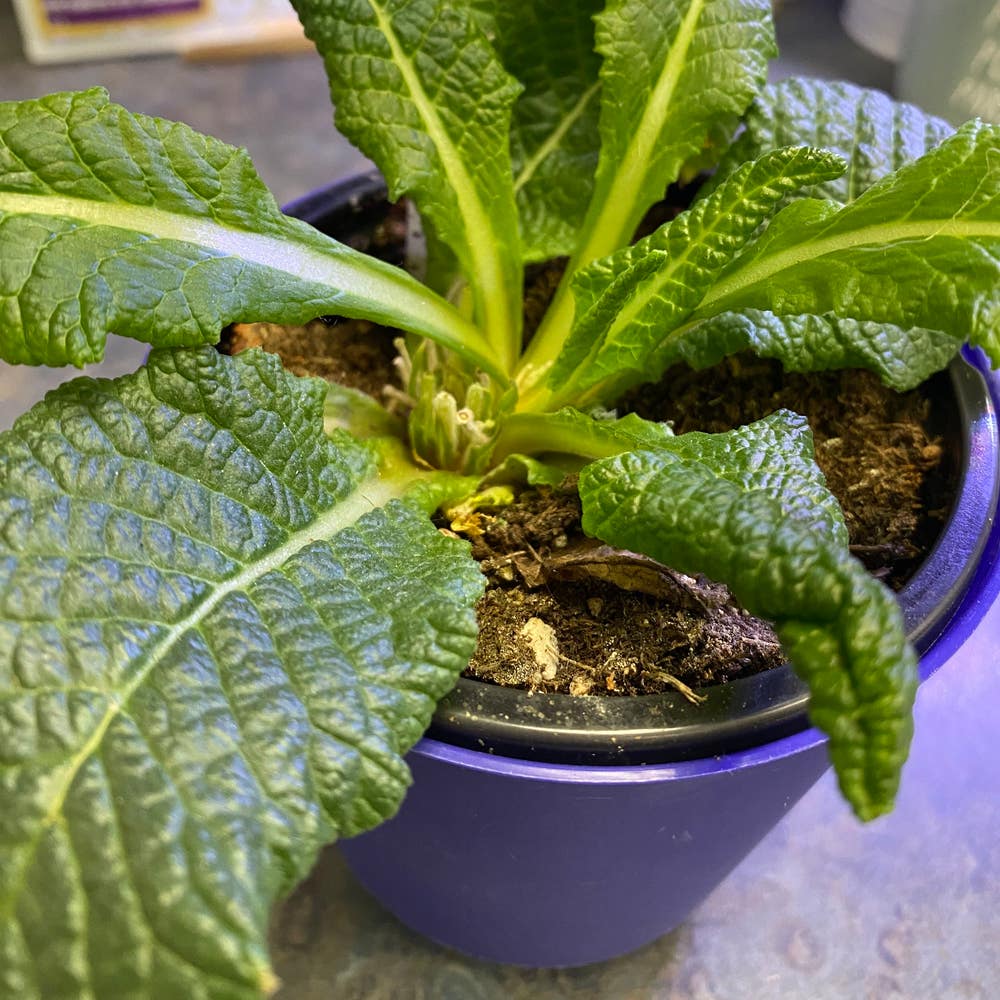
Understanding Curling Leaves on Your Candelabra Primrose
Primula beesiana
By the Greg Editorial Team
Oct 09, 2024•5 min read
This article was created with the help of AI so we can cover more plants for you. May contain errors. See one? Report it here.
Master the secrets to prevent leaf curl 🌱 and keep your candelabra primrose thriving all year round!
- 🌡️ Candelabra primrose thrives in temperatures between 15°C to 20°C (59°F to 68°F).
- 💧 Consistent soil moisture is key; avoid drought and overwatering to prevent curling.
- 🐜 Pests like aphids can distort leaves; use neem oil for effective treatment.
Causes of Leaf Curl
🌪️ Environmental Stress Factors
Temperature fluctuations can wreak havoc on your candelabra primrose. These plants are sensitive to extreme heat or cold, thriving best in an ideal temperature range of 15°C to 20°C (59°F to 68°F).
Soil moisture levels are equally crucial. Consistent moisture is key; drought can lead to curling leaves, while overwatering may cause yellowing leaves and root rot.
🐞 Pests Affecting Leaf Health
Common pests like aphids can significantly impact leaf health. These small, green insects suck sap from leaves, leading to distorted foliage and sticky residue.
To combat these pests, consider using neem oil or insecticidal soap. Regular applications can help keep infestations at bay.
🥦 Nutrient Deficiencies
Essential nutrients play a vital role in your plant's health. Nitrogen, in particular, promotes healthy leaf growth, and a deficiency can manifest as yellowing leaves and stunted growth.
Soil testing is important to ensure your plants receive the nutrients they need. Regular checks of soil pH and nutrient levels can prevent deficiencies.
🍄 Fungal Infections
Fungal diseases, such as powdery mildew, can also cause leaf curling. This disease appears as white, powdery spots on leaves, often accompanied by discoloration.
Preventing and treating fungal infections involves ensuring good air circulation around your plants and applying fungicides when necessary. Keeping your plants healthy is the best defense against these issues.
Understanding these causes of leaf curl is essential for maintaining the health of your candelabra primrose. With this knowledge, you can take proactive steps to diagnose and treat any problems that arise. Next, we’ll explore how to diagnose these issues effectively.
Diagnosing the Problem
Assessing Environmental Conditions 🌡️
To keep your candelabra primrose thriving, start by checking the temperature and humidity levels. Aim for a humidity range of 50-70% to create a comfortable environment.
Next, evaluate sunlight exposure. These plants prefer partial shade; too much direct sunlight can lead to stress and curling leaves.
Identifying Pests and Diseases 🐛
Regular inspections are crucial for maintaining plant health. Look for signs of pests, especially on the undersides of leaves, where they often hide.
Additionally, monitor for any fungal growth or discoloration. Early detection can make a significant difference in treatment effectiveness.
Soil and Watering Analysis 💧
Soil moisture testing is essential for understanding your plant's needs. Use a moisture meter or simply perform a finger test to assess the dampness of the soil.
Don't forget to evaluate drainage as well. Ensure that pots or garden beds have adequate drainage to prevent waterlogging, which can lead to root issues.
By carefully assessing these factors, you'll be well on your way to diagnosing and addressing any problems your candelabra primrose may face. Next, let’s explore effective treatment options to restore your plant’s health.
Treatment Options
🚀 Immediate Actions to Take
Adjusting Watering Practices
- Check soil moisture before watering. This simple step helps prevent overwatering, which can lead to leaf curl.
- Water only when the top inch of soil is dry. This ensures your candelabra primrose receives the right amount of moisture without drowning its roots.
- Use well-draining soil to prevent water retention. A mix that allows excess water to escape is crucial for healthy growth.
Applying Pest Control Methods
- Identify the pest type. Knowing whether you're dealing with aphids or another pest is key to effective treatment.
- Apply neem oil or insecticidal soap as per instructions. These solutions are effective and less harmful to beneficial insects.
- Monitor plants for re-infestation. Regular checks will help you catch any returning pests before they cause significant damage.
🔮 Long-term Solutions
Soil Amendment Strategies
- Incorporate organic matter. Adding compost not only improves soil structure but also boosts nutrient content, promoting robust plant health.
- Adjust pH levels. Aim for a pH of 6.0 to 7.0 for optimal nutrient uptake, ensuring your plant thrives.
Fertilization Techniques
- Fertilization schedule. Apply a balanced fertilizer every 4-6 weeks during the growing season to support vigorous growth.
- Signs of over-fertilization. Watch for leaf burn or excessive growth with weak stems, indicating that you may need to cut back on feeding.
By implementing these immediate and long-term treatment options, you can effectively address the issues causing leaf curl in your candelabra primrose. This proactive approach not only resolves current problems but also sets the stage for healthier growth in the future.
Next, let’s explore preventive measures to keep your plant thriving year-round.
Preventive Measures
Best Practices for Care 🌱
Proper Watering Techniques
Watering your candelabra primrose correctly is crucial. Aim to water deeply but infrequently, which encourages deep root growth and resilience.
Mulching around your plants can significantly help retain soil moisture. This simple step not only conserves water but also keeps the roots cool.
Ideal Soil Conditions
Using a well-draining, rich soil mix is essential for healthy growth. This type of soil allows for proper drainage while providing the nutrients your plant needs.
Regularly checking soil moisture levels helps avoid extremes. Keeping a consistent moisture level is key to preventing leaf curl.
Regular Monitoring for Pests 🐞
Inspect your plants weekly for early signs of pest issues. Catching problems early can save your plants from significant damage.
Utilizing yellow sticky traps is an effective way to monitor pest populations. These traps attract and capture pests, giving you a clear picture of any infestations.
Seasonal Care Tips 🌦️
Adjusting care based on growth cycles is vital for your plant's health. Increase watering during active growth in spring and summer to support robust development.
Conversely, reduce watering in fall and winter when the plant is dormant. This helps prevent overwatering and keeps your candelabra primrose thriving year-round.
By implementing these preventive measures, you can ensure your candelabra primrose remains healthy and vibrant. Next, let’s explore how to diagnose potential problems effectively.
⚠️ Safety First
This content is for general information and may contain errors, omissions, or outdated details. It is not medical, veterinary advice, or an endorsement of therapeutic claims.
Always consult a qualified healthcare professional before using any plant as food, medicine, or supplement.
Never eat any plant (or feed one to pets) without confirming its identity with at least two trusted sources.
If you suspect poisoning, call Poison Control (800) 222-1222, the Pet Poison Helpline (800) 213-6680, or your local emergency service immediately.
Spotted an error? Please report it here.
Keep your candelabra primrose's leaves lush and curling-free 🌿 by using Greg's tailored watering alerts and nutrient reminders for thriving growth!