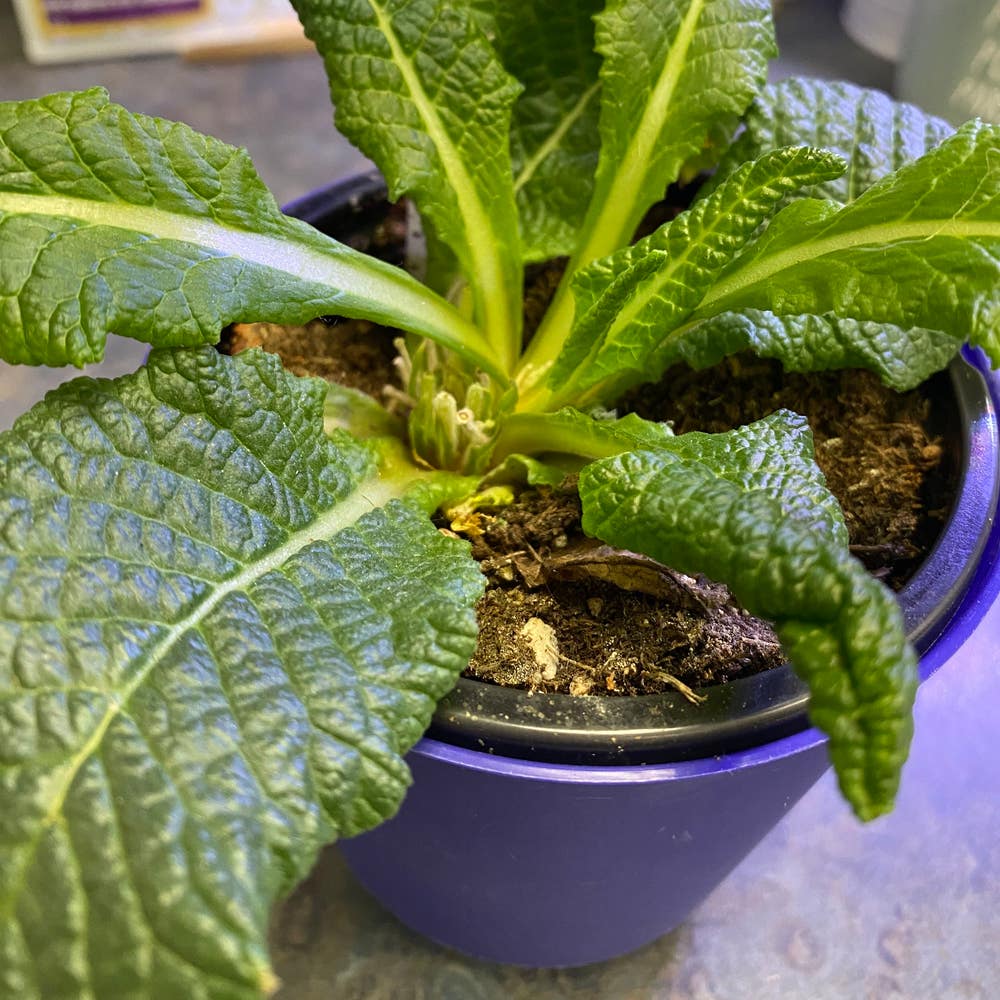
🕯 Best Soil for Your Candelabra Primrose
Primula beesiana
By the Greg Editorial Team
Oct 09, 2024•6 min read
This article was created with the help of AI so we can cover more plants for you. May contain errors. See one? Report it here.
Unlock vibrant growth for your Candelabra Primrose 🌱 by mastering essential soil care techniques for a thriving garden! 🌼
- 🌱 Moldy soil indicates excess moisture, leading to root rot in Candelabra Primrose.
- 🏞️ Compacted soil restricts root growth; aerate to improve nutrient access.
- ⚖️ Optimal pH for growth is 6.0-7.0; test and adjust for nutrient availability.
Identifying Unhealthy Soil
🚩 Signs of Unhealthy Soil
Moldy soil is a clear red flag. If you spot a fuzzy layer on the surface, it indicates excess moisture and poor airflow, which can lead to root rot in your Candelabra Primrose.
Compacted soil is another issue to watch for. If the soil feels hard and dense, it restricts root growth and limits access to nutrients and water.
Poor drainage can also wreak havoc on your plants. Signs include water pooling on the surface after rain or watering, which can suffocate roots and promote disease.
🧪 How to Test Soil Health
To assess soil pH, use a simple pH testing kit available at garden centers. This will help you determine if your soil is too acidic or alkaline for optimal plant health.
Moisture levels are crucial for your plants. Stick your finger into the soil; if it feels dry an inch down, it’s time to water.
Visual inspections are key. Look for a crumbly texture and earthy smell, which indicate healthy soil structure and microbial activity.
🛠️ Common Soil Problems and Their Solutions
If you find moldy soil, improve airflow by spacing out your plants and reducing watering frequency. This will help dry out the soil and prevent mold from returning.
For compacted soil, aeration is your best friend. Use a garden fork or aerator to create holes in the soil, allowing air and nutrients to penetrate deeper.
Drainage issues can be resolved by adding perlite or sand to your soil mix. This will enhance drainage and promote healthier root systems, ensuring your Candelabra Primrose thrives.
By identifying these soil issues and implementing effective solutions, you can create a nurturing environment for your plants. Next, let’s explore the ideal soil pH for your Candelabra Primrose.
Recommended Soil pH
Ideal pH Range 🌱
For Candelabra Primrose, the ideal soil pH is slightly acidic to neutral, ranging from 6.0 to 7.0. This pH range ensures that essential nutrients are readily available for optimal plant growth.
Impact of pH on Nutrient Availability 📉
Soil pH significantly affects nutrient uptake. If the pH is too high or too low, your plant may struggle to absorb vital nutrients, leading to poor health and stunted growth.
Methods to Adjust Soil pH ⚙️
Adjusting soil pH can be straightforward. You can use sulfur to lower pH or lime to raise it, depending on your soil's needs.
Monitoring and adjusting pH levels is crucial for maintaining a thriving Candelabra Primrose. Regular testing will help you keep your soil in the ideal range, ensuring your plants flourish.
With a solid understanding of soil pH, you're well-equipped to create the perfect environment for your Candelabra Primrose. Next, let’s explore how to create a homemade soil mix that complements these pH requirements.
Creating a Homemade Soil Mix
🌱 Ingredients for an Ideal Soil Mix
Peat Moss
Peat moss is essential for moisture retention and aeration. It helps create a light, fluffy texture that encourages healthy root growth.
Perlite
Perlite enhances drainage and promotes root health. Its lightweight nature prevents soil compaction, allowing roots to breathe.
Compost
Compost adds vital nutrients to your soil mix. You can source it from kitchen scraps or local composting facilities, ensuring your plants get the best organic matter.
🛠️ Step-by-Step Guide to Mixing Soil
Gather Materials
Collect peat moss, perlite, compost, and any necessary tools like a shovel and a mixing container.Mixing Ratios
Aim for a blend of 1 part peat moss, 1 part perlite, and 1 part compost. This ratio provides a balanced environment for your Candelabra Primrose.Combining Ingredients
Thoroughly mix the ingredients in your container. Use your hands or a shovel to ensure an even distribution of all components.
⚖️ Adjusting Soil pH and Nutrients
Testing Initial Soil pH
Before mixing, test the pH of your ingredients. This step is crucial for ensuring optimal nutrient availability for your plants.
Adjusting pH
To raise pH, add lime; to lower it, incorporate sulfur. These adjustments help create the ideal slightly acidic to neutral range.
Incorporating Nutrients
Add fertilizers to your mix based on the specific needs of your Candelabra Primrose. This ensures your homemade soil is nutrient-rich and ready for planting.
Creating a homemade soil mix not only supports healthy plant growth but also allows you to customize the environment for your Candelabra Primrose. With the right ingredients and techniques, you can cultivate a thriving garden that flourishes year-round.
Next, let’s explore how to maintain and care for your soil to keep it in top shape!
Soil Maintenance and Care
🌬️ Importance of Soil Aeration
Soil aeration is crucial for healthy root development and nutrient absorption. By allowing air to penetrate the soil, you promote a thriving environment for your Candelabra Primrose.
Benefits of Aeration
- Root Health: Aeration helps roots access oxygen, which is vital for growth.
- Nutrient Uptake: Improved airflow enhances the soil's ability to absorb nutrients.
Techniques for Aerating Soil
- Manual Tools: Use a garden fork or aerator to poke holes in the soil.
- Mechanical Aerators: For larger areas, consider renting a mechanical aerator for efficiency.
🔄 When to Refresh or Replace Soil
Recognizing when to refresh or replace your soil is key to maintaining plant health. Watch for signs that indicate your soil may need attention.
Signs That Soil Needs Refreshing
- Nutrient Depletion: If your plants are not thriving, it may be time to refresh the soil.
- Compaction: Soil that feels hard and dense can hinder root growth.
Timing for Soil Replacement
- Seasonal Checks: Regularly assess your soil, especially during spring and fall.
- Best Practices: Replace soil every couple of years or when you notice significant issues.
🌱 Seasonal Considerations for Soil Care
Adapting your soil care routine to the seasons can greatly benefit your plants. Each season presents unique challenges and opportunities for soil maintenance.
Adjusting Care Based on Seasons
- Spring: Focus on aeration and nutrient replenishment.
- Summer: Monitor moisture levels and adjust watering accordingly.
Preparing Soil for Winter
Protecting your soil during colder months is essential for its health. Here are steps to ensure your soil remains robust.
- Mulching: Apply a layer of mulch to insulate the soil.
- Cover Crops: Consider planting cover crops to prevent erosion and maintain soil structure.
By understanding these aspects of soil maintenance, you can create a thriving environment for your Candelabra Primrose. Next, let’s explore the ideal soil pH for optimal growth.
⚠️ Safety First
This content is for general information and may contain errors, omissions, or outdated details. It is not medical, veterinary advice, or an endorsement of therapeutic claims.
Always consult a qualified healthcare professional before using any plant as food, medicine, or supplement.
Never eat any plant (or feed one to pets) without confirming its identity with at least two trusted sources.
If you suspect poisoning, call Poison Control (800) 222-1222, the Pet Poison Helpline (800) 213-6680, or your local emergency service immediately.
Spotted an error? Please report it here.
Cultivating a thriving Candelabra Primrose 🌼 is easy with Greg's tailored tips and reminders that ensure your soil is perfectly balanced for vibrant growth!