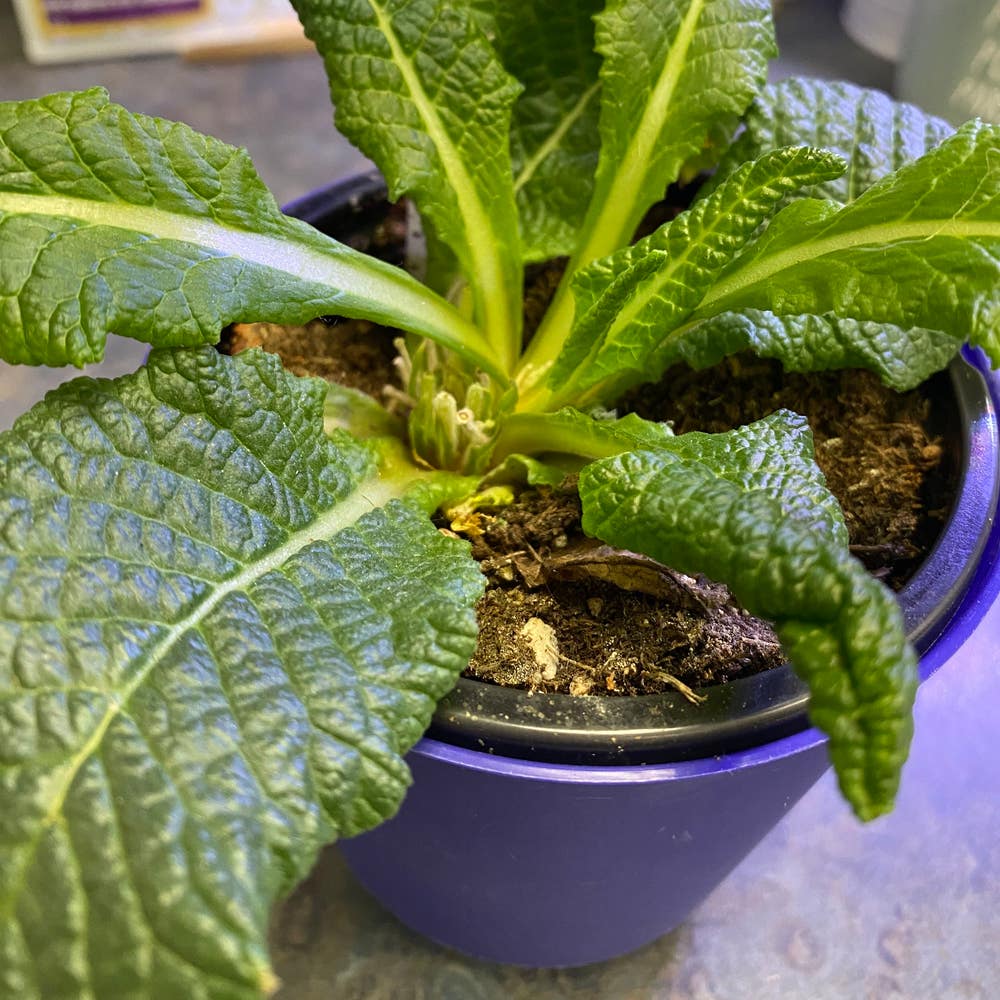
🌼 How to Fix Brown Spots on Your Candelabra Primrose
Primula beesiana
By the Greg Editorial Team
Oct 09, 2024•5 min read
This article was created with the help of AI so we can cover more plants for you. May contain errors. See one? Report it here.
Transform your Candelabra Primrose into a vibrant beauty 🌼 with these essential care tips for healthy growth!
- 💧 Consistent soil moisture prevents brown spots; avoid overwatering and waterlogging.
- ☀️ Adjust light exposure to prevent leaf burn; Candelabra Primrose thrives in partial shade.
- 🐛 Regularly inspect for pests and diseases; early detection is key to plant health.
Diagnosing the Problem
Assessing Watering Practices and Soil Moisture Levels 🌊
Maintaining the right soil moisture is crucial for your Candelabra Primrose. Aim for consistent moisture without waterlogging, as this delicate balance promotes healthy growth.
Overwatering can lead to yellowing leaves, mushy roots, and those pesky brown spots. If you notice these signs, it’s time to reassess your watering habits.
Evaluating Light Exposure and Its Effects on Leaf Health ☀️
Candelabra Primrose thrives in partial shade to full sun. Finding the right light conditions will keep your plant vibrant and healthy.
However, excessive direct sunlight can cause sunburn on the leaves, leading to discoloration and damage. Monitor your plant's exposure and adjust its placement as needed.
Checking for Pests 🐛
Pests can wreak havoc on your Candelabra Primrose if left unchecked. Common culprits include aphids, which leave behind sticky residue and distorted leaves.
Spider mites are another threat; look for webbing and stippled leaves as signs of their presence. Slugs and snails also pose a risk, leaving irregular holes in the foliage. Regular inspections can help you catch these issues early.
Treatment Options
Step-by-Step Guide to Treating Fungal Infections 🌱
Fungal infections can wreak havoc on your Candelabra Primrose. Start by identifying the type of fungal infection affecting the leaves; common culprits include powdery mildew and leaf spot.
Once identified, remove the affected leaves using proper pruning techniques. This helps prevent the spread of the infection and promotes healthier growth.
Next, apply an appropriate fungicide. Choose one that targets the specific type of fungus you've identified, and follow the application instructions carefully.
Finally, adjust your watering practices to ensure proper drainage. Overwatering can exacerbate fungal issues, so aim for consistent moisture without waterlogging.
How to Manage Overwatering and Improve Drainage 🚰
Managing overwatering is crucial for the health of your Primrose. Begin by assessing your current potting mix; it should be well-draining, allowing excess water to escape easily.
If drainage is poor, consider repotting your plant. Choose a pot with drainage holes and a suitable mix that promotes airflow and moisture control.
Adjust your watering schedule based on the season. In warmer months, your plant may need more frequent watering, while cooler months require less.
Nutrient Supplementation for Healthy Leaf Growth 🍽️
Nutrient deficiencies can lead to unhealthy leaves. Watch for symptoms like yellowing or stunted growth, which indicate your plant may need a boost.
Recommended fertilizers include balanced options that provide essential nutrients. Apply them according to the package instructions, typically every few weeks during the growing season.
Timing is key for nutrient application. Fertilize in the spring as growth begins, and reduce frequency in the fall as your Primrose prepares for dormancy.
By following these treatment options, you can restore your Candelabra Primrose to its vibrant self. Next, let’s explore preventive measures to keep your plant healthy year-round.
Preventive Measures
Best Practices for Watering Candelabra Primrose 💧
Watering your Candelabra Primrose correctly is essential for its health. During spring and summer, aim to water more frequently, ensuring the soil remains consistently moist but not soggy.
In fall and winter, reduce watering as the plant enters dormancy. To check soil moisture, use your finger to feel the top inch of soil or invest in a moisture meter for more precise readings.
Ideal Light Conditions to Prevent Leaf Burn ☀️
Proper light exposure is crucial for preventing leaf burn. Position your Primrose in partial shade to full sun, adjusting its placement as seasonal sunlight changes.
If your plant is exposed to intense sunlight, consider using shade cloths or filters to protect it. This simple adjustment can make a significant difference in maintaining vibrant, healthy leaves.
Regular Inspection for Pests and Diseases 🔍
Routine inspections are vital for early detection of pests and diseases. Create a schedule to check your plant regularly, looking for any unusual signs or changes.
During inspections, keep an eye out for common issues like discoloration or webbing. Early detection can save your plant from more severe damage down the line.
These preventive measures will help ensure your Candelabra Primrose thrives, setting the stage for effective seasonal care. Next, let’s explore how seasonal changes impact leaf health.
Seasonal Considerations
Seasonal Changes and Their Impact on Leaf Health 🌱
As seasons shift, so do the needs of your Candelabra Primrose. In spring, the plant experiences a growth spurt, requiring increased moisture to support its vibrant new leaves.
During the summer, managing heat and sunlight exposure becomes crucial. Too much direct sun can lead to leaf burn, so consider adjusting your plant's location or using shade cloths to protect it.
As fall approaches, it's time to prepare for dormancy. Gradually reduce watering and monitor temperatures to ensure your Primrose can rest without stress.
Adjusting Care Routines Based on Growth Cycles 🔄
Tailoring your care routine to the growth phases of your Candelabra Primrose is essential. During active growth, increase watering and feeding to promote lush foliage.
Recognizing signs of dormancy is equally important. As the plant slows down, cut back on watering and feeding to match its reduced needs, ensuring it remains healthy through the colder months.
By adapting your care practices, you can support your Primrose's health year-round, setting the stage for a thriving plant.
Common Misconceptions
🧐 Myths About Brown Spots and Their Causes
Many gardeners believe that brown spots on Candelabra Primrose are solely caused by overwatering. While overwatering can contribute, it's essential to consider other factors like pests and environmental stress.
Another common myth is that all leaf damage is due to pests. In reality, environmental conditions, such as extreme temperatures or inadequate light, can also lead to similar symptoms. Understanding these nuances can help you better diagnose and treat your plant's issues.
🔍 Clarifying the Difference Between Natural Leaf Aging and Disease Symptoms
It's normal for older leaves to yellow and eventually die off. This natural aging process is part of your plant's life cycle and shouldn't cause alarm.
However, if you notice sudden discoloration or spots on younger leaves, it's time to investigate further. These symptoms could indicate a disease or pest issue that requires immediate attention. Recognizing the difference can save your plant from unnecessary stress and help you maintain its health.
⚠️ Safety First
This content is for general information and may contain errors, omissions, or outdated details. It is not medical, veterinary advice, or an endorsement of therapeutic claims.
Always consult a qualified healthcare professional before using any plant as food, medicine, or supplement.
Never eat any plant (or feed one to pets) without confirming its identity with at least two trusted sources.
If you suspect poisoning, call Poison Control (800) 222-1222, the Pet Poison Helpline (800) 213-6680, or your local emergency service immediately.
Spotted an error? Please report it here.
Combat brown spots on your Candelabra Primrose with tailored care tips 🌿 from Greg, ensuring consistent moisture and early pest detection for a thriving plant!