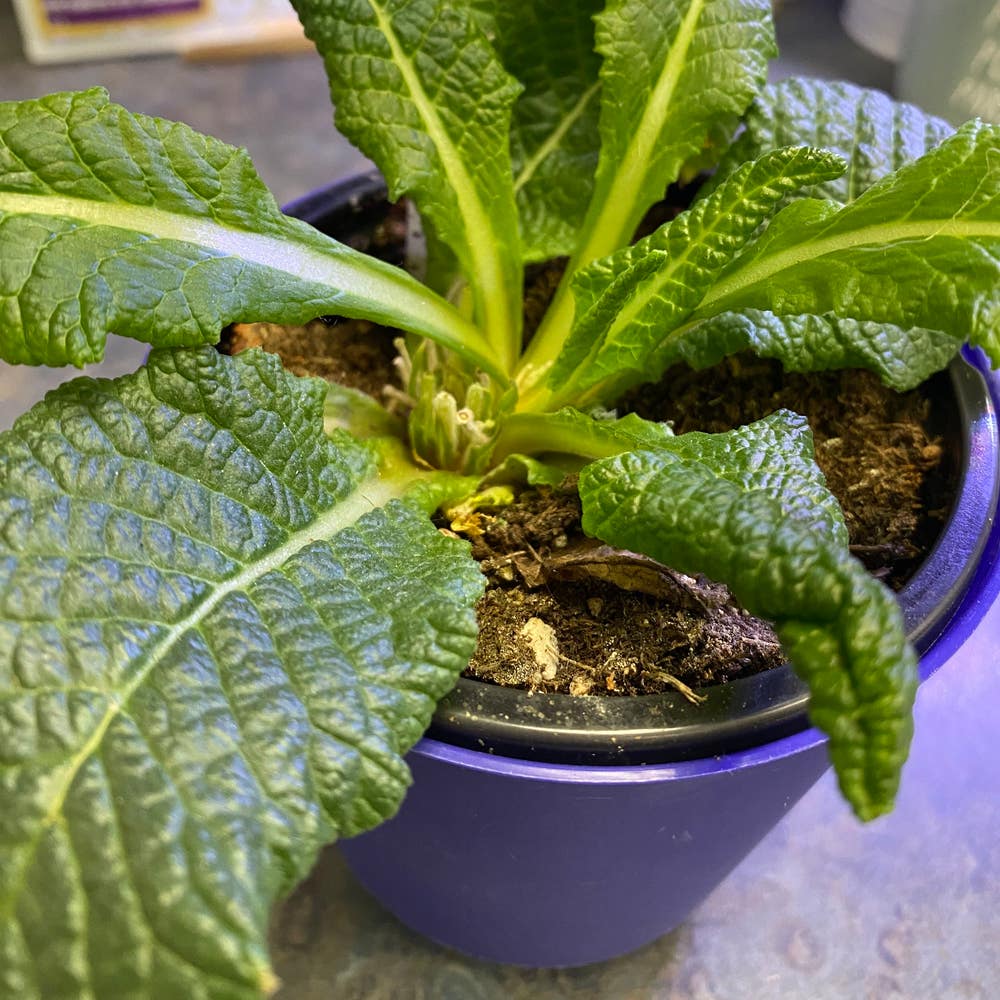
💡 What to Do About Dropping Leaves on Your Candelabra Primrose
Primula beesiana
By the Greg Editorial Team
Oct 09, 2024•6 min read
This article was created with the help of AI so we can cover more plants for you. May contain errors. See one? Report it here.
Transform your Candelabra Primrose care 🌱 with expert tips to prevent and treat leaf drop for vibrant growth!
- 💧 Overwatering and underwatering both cause leaf drop; maintain consistent moisture.
- 🌡️ Ideal temperatures for Candelabra Primrose are 15°C to 20°C; avoid extremes.
- 🐛 Regular pest checks prevent damage; use neem oil for treatment.
Causes of Leaf Drop
💧 Overwatering and Root Rot
Overwatering is a common culprit behind leaf drop in Candelabra Primrose. Symptoms include leaf yellowing, wilting, and mushy roots accompanied by a foul smell from the soil.
To prevent root rot, ensure proper soil drainage. Opt for well-draining loam or sandy soil to keep your plant healthy.
🌵 Underwatering and Drought Stress
Underwatering can also lead to leaf drop, with signs like leaf curling and browning at the edges. Dry, brittle leaves indicate your plant is thirsty.
Maintaining consistent moisture is crucial. Aim to water every 1-2 weeks, adjusting based on environmental conditions.
🌡️ Temperature Fluctuations and Stress
Candelabra Primrose thrives in temperatures between 15°C to 20°C (59°F to 68°F). Extreme heat or cold can cause significant leaf drop.
Protect your plant from direct sunlight during temperature spikes. This simple step can make a big difference in its health.
🐛 Pest Infestations
Pests can wreak havoc on your Candelabra Primrose, leading to leaf drop.
Common Pests
- Aphids: Look for sticky residue and curled leaves. Control them with insecticidal soap or neem oil.
- Spider Mites: Signs include fine webbing and stippled leaves. Increase humidity or use miticides to manage these pests.
🌱 Nutrient Deficiencies
Nutrient deficiencies can also affect leaf health.
- Nitrogen deficiency leads to yellowing leaves.
- Potassium deficiency causes browning and leaf drop.
Balanced fertilization is key. Consider the recommended NPK ratio for optimal growth and vitality.
Understanding these causes can help you take proactive steps to keep your Candelabra Primrose thriving. Next, we’ll explore how to diagnose leaf drop effectively.
Diagnosing Leaf Drop
💧 Identifying Symptoms of Overwatering
Overwatering can be a silent killer for your Candelabra Primrose. Look out for leaf yellowing, wilting, and a mushy texture, which are clear indicators that your plant is drowning.
Inspect the roots for rot. If they feel mushy or emit a foul smell, it’s time to take action.
🌵 Recognizing Signs of Underwatering
On the flip side, underwatering can also lead to distress. Keep an eye out for dry, crispy leaves and curling edges, which signal that your plant is thirsty.
Soil dryness and overall wilting are additional signs that your Candelabra Primrose needs a drink.
🐛 Checking for Pests and Diseases
Regular inspections are crucial for maintaining plant health. Visually check for pests on leaves and stems, as they can wreak havoc if left unchecked.
For smaller pests, a magnifying glass can be your best friend. This tool helps you spot those sneaky invaders hiding in plain sight.
🌤️ Assessing Environmental Conditions
Light exposure plays a significant role in your plant's well-being. Candelabra Primrose thrives in partial shade; too much sunlight can lead to scorched leaves.
Additionally, monitor temperature and humidity levels. Aim for humidity between 50-70% to keep your plant happy and healthy.
Understanding these symptoms and conditions will empower you to take proactive steps in caring for your Candelabra Primrose. Next, let’s explore how to prevent leaf drop effectively.
Preventing Leaf Drop
💧 Proper Watering Techniques
Watering your Candelabra Primrose correctly is crucial for its health. Deep watering encourages robust root growth while preventing waterlogged conditions that can lead to root rot.
🌱 Ideal Soil Composition and Drainage
The right soil mix is essential for your plant's vitality. A blend of 50% loamy soil, 30% peat moss, and 20% perlite ensures excellent drainage.
Using pots with drainage holes is equally important. This prevents excess water from accumulating, reducing the risk of leaf drop.
🌡️ Maintaining Optimal Temperature and Humidity
Temperature management can make or break your plant's health. During hot days, consider using shade cloth to shield your Primrose from harsh sunlight.
In colder months, moving your plant indoors can protect it from extreme temperatures. To maintain humidity, mist the leaves or use humidity trays to create a more favorable environment.
🐛 Regular Pest Monitoring and Control
Pests can sneak up on your Candelabra Primrose if you're not vigilant. Conduct weekly inspections to catch any infestations early.
Utilizing organic pest control methods can keep your plant healthy without harsh chemicals. This proactive approach can save you a lot of trouble down the line.
🌿 Fertilization Schedule and Nutrient Balance
A balanced fertilization schedule is key to preventing nutrient deficiencies. Aim to fertilize every 4-6 weeks during the growing season to keep your plant thriving.
Pay attention to the NPK ratio in your fertilizers. This ensures your Candelabra Primrose receives the right nutrients for optimal growth.
By implementing these preventive measures, you can significantly reduce the chances of leaf drop and keep your Candelabra Primrose flourishing. Next, let’s explore how to effectively treat leaf drop when it occurs.
Treating Leaf Drop
🚰 Steps to Take for Overwatered Plants
If you suspect your Candelabra Primrose is overwatered, the first step is to stop watering immediately. This prevents further damage and allows the plant to recover.
Next, carefully remove the plant from its pot and inspect the roots. Look for any mushy or discolored roots, which indicate rot.
Trim away any rotten roots with clean scissors to prevent the spread of decay. After that, repot the plant in fresh, well-draining soil to encourage healthy growth.
💧 Remedies for Underwatered Plants
For underwatered plants, start by watering thoroughly until moisture drains from the bottom. This ensures that the roots receive adequate hydration.
Gradually increase your watering frequency to prevent future stress. Consistently monitor soil moisture levels to keep your plant thriving.
🐞 Pest Treatment Options
Pest infestations can also lead to leaf drop. For common pests like aphids and spider mites, neem oil is an effective treatment.
Apply neem oil as directed and regularly check for re-infestation. Early detection is key to keeping your plant healthy.
🌤️ Adjusting Environmental Conditions
If your plant shows signs of leaf scorch, consider moving it to a shadier spot. This simple adjustment can significantly improve its condition.
Additionally, using a humidifier or a pebble tray can help maintain optimal humidity levels. Both methods create a more favorable environment for your Candelabra Primrose.
🌱 Replenishing Nutrients in the Soil
After addressing leaf drop, it's crucial to replenish nutrients in the soil. Apply a balanced fertilizer to restore essential elements.
Consider soil amendments to improve nutrient content further. This will support your plant's recovery and promote robust growth.
By following these steps, you can effectively treat leaf drop and ensure your Candelabra Primrose thrives. Next, let’s explore how to prevent leaf drop from occurring in the first place.
⚠️ Safety First
This content is for general information and may contain errors, omissions, or outdated details. It is not medical, veterinary advice, or an endorsement of therapeutic claims.
Always consult a qualified healthcare professional before using any plant as food, medicine, or supplement.
Never eat any plant (or feed one to pets) without confirming its identity with at least two trusted sources.
If you suspect poisoning, call Poison Control (800) 222-1222, the Pet Poison Helpline (800) 213-6680, or your local emergency service immediately.
Spotted an error? Please report it here.
Keep your Candelabra Primrose thriving 🌿 by using Greg's tailored watering reminders and pest alerts to ensure it gets the perfect care it needs to flourish!