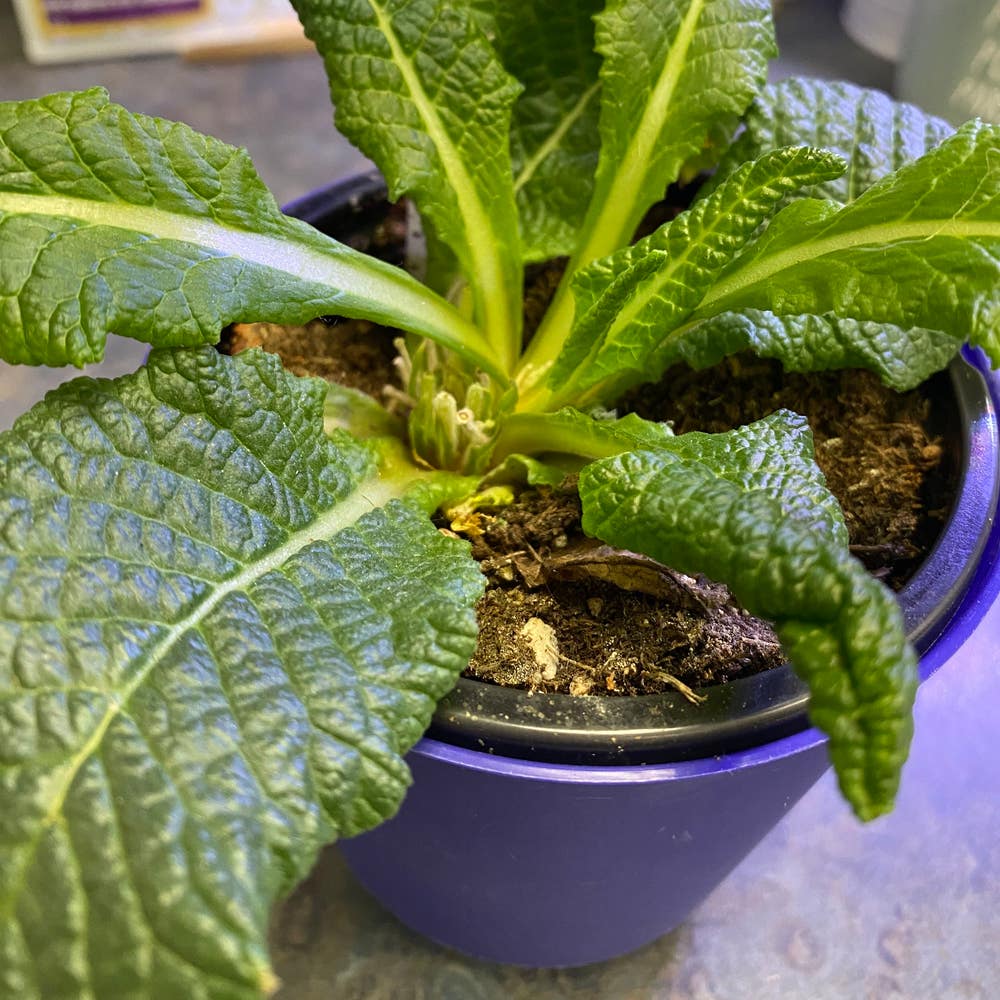
Best Temperature Conditions for Candelabra Primrose ☀️
Primula beesiana
By the Greg Editorial Team
Oct 09, 2024•2 min read
This article was created with the help of AI so we can cover more plants for you. May contain errors. See one? Report it here.
Unlock vibrant blooms 🌸 by mastering the perfect temperature for your candelabra primrose 🌱 all year round!
- 🌡️ Candelabra primrose thrives best between 15°C to 20°C (59°F to 68°F).
- ❄️ Cool nights around 10°C to 15°C (50°F to 59°F) enhance growth.
- ⚠️ Avoid temperatures above 25°C (77°F) to prevent heat stress and damage.
Temperature Requirements
Optimal Temperature Range 🌡️
Candelabra primrose thrives best in an ideal temperature range of 15°C to 20°C (59°F to 68°F). These temperatures stimulate robust growth and vibrant flowering, creating a lush display.
Nighttime temperatures should ideally be cooler, around 10°C to 15°C (50°F to 59°F). This mimics the plant's natural habitat and supports its overall health.
Temperature Tolerance Levels 🌡️
Cold Tolerance
Candelabra primrose can tolerate temperatures down to 5°C (41°F), but it may show signs of stress at this threshold. It's particularly vulnerable to frost damage, so protective measures are essential in colder climates.
Heat Tolerance
On the flip side, the plant struggles in temperatures above 25°C (77°F). Signs of heat stress include wilting leaves, reduced flowering, and an overall decline in vigor.
Symptoms and Causes of Temperature Stress 🌡️
Symptoms of Temperature Stress
Temperature stress manifests in several ways. You might notice leaf discoloration, with yellowing or browning leaves being common indicators.
Wilting is another symptom, where leaves droop or become limp. Additionally, you may see reduced flowering, with fewer blooms or delayed flowering periods, and stunted growth, where overall growth slows or halts.
Causes of Temperature Stress
Several factors can lead to temperature stress in candelabra primrose. Rapid temperature fluctuations can shock the plant, while prolonged exposure to extreme temperatures—either hot or cold—can be detrimental.
Inadequate acclimatization also plays a role. If the plant fails to gradually adjust to changing temperatures, it may struggle to thrive.
Recovery from Temperature Stress 🌱
If your candelabra primrose shows signs of temperature stress, immediate actions can help. Move the plant to a more suitable temperature environment to alleviate stress.
Ensure consistent moisture without waterlogging, as this is crucial for recovery. Additionally, using a balanced fertilizer can provide the nutrient support needed for revitalization.
Brief Mention of Humidity 💧
While humidity isn't the main focus, it's worth noting that adequate moisture can help moderate temperature extremes. Maintaining a balanced environment is key to the health of your candelabra primrose.
Understanding these temperature requirements will set you on the right path to nurturing a thriving candelabra primrose. Next, we’ll explore how to create the perfect growing conditions for this stunning plant.
⚠️ Safety First
This content is for general information and may contain errors, omissions, or outdated details. It is not medical, veterinary advice, or an endorsement of therapeutic claims.
Always consult a qualified healthcare professional before using any plant as food, medicine, or supplement.
Never eat any plant (or feed one to pets) without confirming its identity with at least two trusted sources.
If you suspect poisoning, call Poison Control (800) 222-1222, the Pet Poison Helpline (800) 213-6680, or your local emergency service immediately.
Spotted an error? Please report it here.
Keep your candelabra primrose thriving 🌼 by using Greg's personalized reminders for optimal temperature and care conditions to prevent stress and promote vibrant blooms!