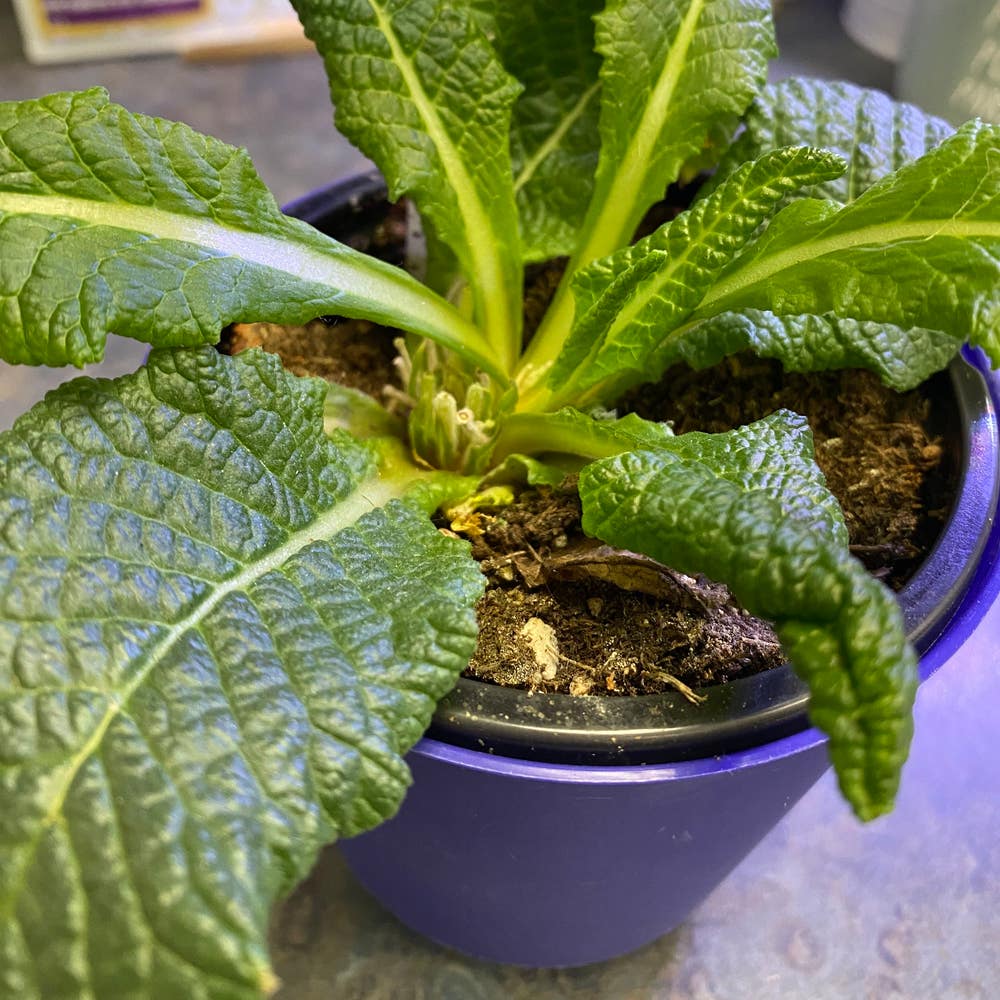
🌼 How to Know When to Repot Candelabra Primrose
Primula beesiana
By the Greg Editorial Team
Oct 09, 2024•5 min read
This article was created with the help of AI so we can cover more plants for you. May contain errors. See one? Report it here.
Unlock your Candelabra Primrose's full potential by mastering the signs and steps for successful repotting! 🌱🌼
- 🌱 Signs to repot include roots out of drainage holes and stunted growth.
- 🕰️ Best time to repot is early spring, just before flowering begins.
- 🧪 Healthy roots are firm and white; brown roots indicate rot needing attention.
Signs That Candelabra Primrose Needs Repotting
🌱 Root Bound Indicators
One of the first signs that your Candelabra Primrose needs repotting is when roots start growing out of the drainage holes. If you notice roots circling around the pot's interior, it’s a clear indication that the plant is root-bound.
Stunted growth can also signal a need for repotting, especially if you’ve been providing adequate care. If your plant seems to be struggling despite your efforts, it might be time to give it a new home.
📏 Assessing Plant Size
Next, assess the height and spread of your plant compared to the pot size. If the plant looks cramped or is leaning awkwardly, it’s likely outgrowing its container.
A clumping growth habit can also indicate overcrowding. If your Candelabra Primrose appears to be bursting at the seams, it’s definitely time to consider repotting.
🌼 Seasonal Considerations
Observing growth patterns is crucial. Candelabra Primrose actively grows in spring, while it enters dormancy in winter. Timing your repotting for early spring, just before flowering, will help your plant thrive.
Repotting during this active growth phase allows the plant to establish itself in its new pot more effectively. This timing can make a significant difference in its overall health and vigor.
How to Assess Root Health Before Repotting
🌱 Root Inspection Techniques
To assess the health of your Candelabra Primrose, start by gently removing the plant from its pot. This allows you to examine the root structure closely.
Look for healthy, white roots that indicate vitality. In contrast, brown, mushy roots signal rot and require immediate attention.
✅ Signs of Healthy Roots
Healthy roots are typically firm and exhibit a white or light tan color. You should also see an adequate root mass without excessive circling, which can indicate root-bound conditions.
🧠 Importance of Root Health
Healthy roots are crucial for nutrient uptake and the overall vigor of your plant. By assessing root health, you can determine if repotting is necessary, ensuring your Candelabra Primrose thrives in its new environment.
Understanding root health not only prepares you for successful repotting but also enhances your plant care skills. With this knowledge, you're ready to take the next steps in nurturing your Candelabra Primrose.
Step-by-Step Guide to Repotting Candelabra Primrose
Preparation Steps 🌱
Before diving into repotting, gather your materials. You'll need a new pot, quality potting soil, gardening gloves, and some basic tools.
Next, choose the right pot size. Aim for a pot that is 1-2 inches larger in diameter than the current one to give your Candelabra Primrose room to grow.
Lastly, ensure the new pot has adequate drainage holes. This is crucial for preventing waterlogging and promoting healthy roots.
Repotting Process 🔄
Now, let’s get into the nitty-gritty of repotting. Start by gently removing the plant from its current pot, loosening the soil around the roots with care.
Inspect the roots closely. Trim away any damaged or dead roots to encourage healthy growth.
Next, place a layer of potting mix at the bottom of the new pot. This provides a solid foundation for your plant.
Position the Candelabra Primrose in the center of the pot and fill it with potting mix, ensuring all roots are covered.
Finally, firm the soil gently around the base of the plant. This helps eliminate air pockets and supports the plant.
Watering After Repotting 💧
Once repotted, it’s time to hydrate your plant. Water thoroughly until excess drains out of the bottom.
Be cautious not to overwater. Allow the top inch of soil to dry before the next watering to maintain a healthy balance.
With these steps, your Candelabra Primrose will be well on its way to thriving in its new home. Next, let’s explore the best potting mix to use for optimal growth.
Comparison of Pot Materials
🪴 Plastic Pots
Plastic pots are a popular choice for many gardeners. They are lightweight, affordable, and retain moisture well.
However, they can heat up quickly, which may stress the roots. This is something to keep in mind, especially in warmer climates.
🍂 Clay Pots
Clay pots offer excellent drainage and are made from breathable material. They allow air to circulate, promoting healthy root growth.
On the downside, they are heavy and can dry out quickly. This means you’ll need to water more frequently, which can be a hassle.
🎨 Ceramic Pots
Ceramic pots are known for their aesthetic appeal and good insulation for roots. They can add a decorative touch to your garden or home.
Yet, they can be expensive and may lack adequate drainage. Always check for drainage holes before making a purchase.
📏 Recommended Pot Sizes and Shapes
When repotting, aim for a pot that is 1-2 inches larger in diameter than the previous one. This gives your Candelabra Primrose room to grow without becoming root-bound.
Consider the shape of the pot as well. Wider pots can better accommodate clumping growth, allowing your plant to thrive.
Choosing the right pot material and size is crucial for the health of your Candelabra Primrose. With the right setup, your plant will flourish, setting the stage for the next steps in care and maintenance.
Best Potting Mix for Candelabra Primrose
Ideal Soil Composition 🌱
Candelabra Primrose thrives in a well-draining, rich potting mix that includes organic matter. The best ingredients to use are peat moss, perlite, and compost.
Importance of Drainage in Pot Selection 🚰
While Candelabra Primrose enjoys moist conditions, it is highly susceptible to root rot. Proper drainage is crucial to prevent waterlogging and ensure healthy root growth.
Creating a Well-Draining Potting Mix 🛠️
To create an effective potting mix, use a ratio of 2 parts potting soil, 1 part perlite, and 1 part compost.
Testing Drainage
After mixing, test the drainage by watering the mix. It should absorb quickly without pooling, indicating that it’s ready for your plant.
With the right potting mix, your Candelabra Primrose will flourish, setting the stage for vibrant blooms. Next, let’s explore the best pot materials to enhance your plant's growth.
⚠️ Safety First
This content is for general information and may contain errors, omissions, or outdated details. It is not medical, veterinary advice, or an endorsement of therapeutic claims.
Always consult a qualified healthcare professional before using any plant as food, medicine, or supplement.
Never eat any plant (or feed one to pets) without confirming its identity with at least two trusted sources.
If you suspect poisoning, call Poison Control (800) 222-1222, the Pet Poison Helpline (800) 213-6680, or your local emergency service immediately.
Spotted an error? Please report it here.
Give your Candelabra Primrose a fresh start 🌱 by using Greg's tailored reminders and expert tips to ensure it thrives in its new pot!