🕯 Getting Your Candelabra Primrose to Bloom
Primula beesiana
By the Greg Editorial Team
Oct 09, 2024•4 min read
This article was created with the help of AI so we can cover more plants for you. May contain errors. See one? Report it here.
Unlock the secret to vibrant Candelabra Primrose blooms 🌼 and transform your garden into a stunning oasis!
- 🌼 Candelabra Primrose blooms in vibrant colors, enhancing garden aesthetics from late spring to summer.
- 💧 Ensure moisture and shade to encourage blooming and healthy growth throughout the season.
- 🌱 Understanding its lifecycle helps gardeners care for this resilient, adaptable perennial effectively.
Flowering Status
Candelabra Primrose is indeed a flowering plant, showcasing vibrant blooms that captivate any garden enthusiast. Its flowers are not just colorful; they have a unique structure that adds a distinctive flair to your landscape.
These flowers come in stunning shades of yellow, orange, and red, creating a lively display. The arrangement resembles a candelabra, with multiple flower spikes that can reach heights of up to 2 feet, making them a striking focal point.
Understanding the flowering status of Candelabra Primrose is essential for gardeners eager to see these beauties thrive. With the right conditions, you can enjoy their vibrant colors and unique structures throughout the blooming season.
As we delve deeper into the characteristics of these flowers, you'll discover how to encourage their blooming and what to expect during their lifecycle.
If Candelabra Primrose Flowers
🌼 Flower Characteristics
Description of Colors and Structure
Candelabra Primrose showcases stunning flowers in vibrant shades of yellow, orange, and red. These blooms are arranged in a unique candelabra-like structure, with multiple flower spikes that can reach up to 2 feet tall.
Self-Pollination vs. External Pollination
Primula bulleyana primarily relies on self-pollination, but it can also benefit from external pollination. Attracting pollinators enhances genetic diversity, making your garden even more resilient.
🌸 Blooming Process
Stages of Blooming
The blooming process begins with bud formation, where the initial flower spikes develop. This is followed by the gradual opening of petals, revealing the plant's vibrant colors.
Typical Bloom Time
Expect blooms to appear from late spring to early summer, bringing a burst of color to your garden.
Duration from Bud Formation to Full Bloom
From the initial bud formation to full bloom, the process typically takes about 4 to 6 weeks. Patience is key as you watch your flowers unfold.
Lifespan of Flowers
Once in full bloom, the flowers usually last for 2 to 4 weeks before wilting. Enjoy their beauty while they last!
🌱 Encouraging Blooms
Tips for Promoting Flowering
To encourage flowering, ensure your Candelabra Primrose receives adequate moisture and shade. Additionally, fertilizing with a balanced fertilizer during the growing season can boost bloom production.
Factors Influencing Blooms
Several factors can influence flowering, including soil quality, light exposure, and watering frequency. Pay attention to these elements for optimal growth.
🌿 Post-Flowering
What Happens After Flowering
After the flowering period, the plant shifts its focus to seed production and foliage growth. This transition is vital for the plant's continued health.
Does It Die After Flowering?
Rest assured, Candelabra Primrose does not die after flowering; it continues to thrive as a perennial. This resilience makes it a fantastic addition to any garden.
🐝 Pollination
Description of Pollination Methods
While self-pollination occurs naturally, cross-pollination can enhance seed viability. To encourage this, attract bees and other pollinators through companion planting, enriching your garden's ecosystem.
With a solid understanding of how Candelabra Primrose flowers, you're well-equipped to nurture these beautiful plants. Next, let's explore what to do if your Candelabra Primrose doesn't flower.
If Candelabra Primrose Doesn't Flower
🌿 Primary Ornamental or Functional Features
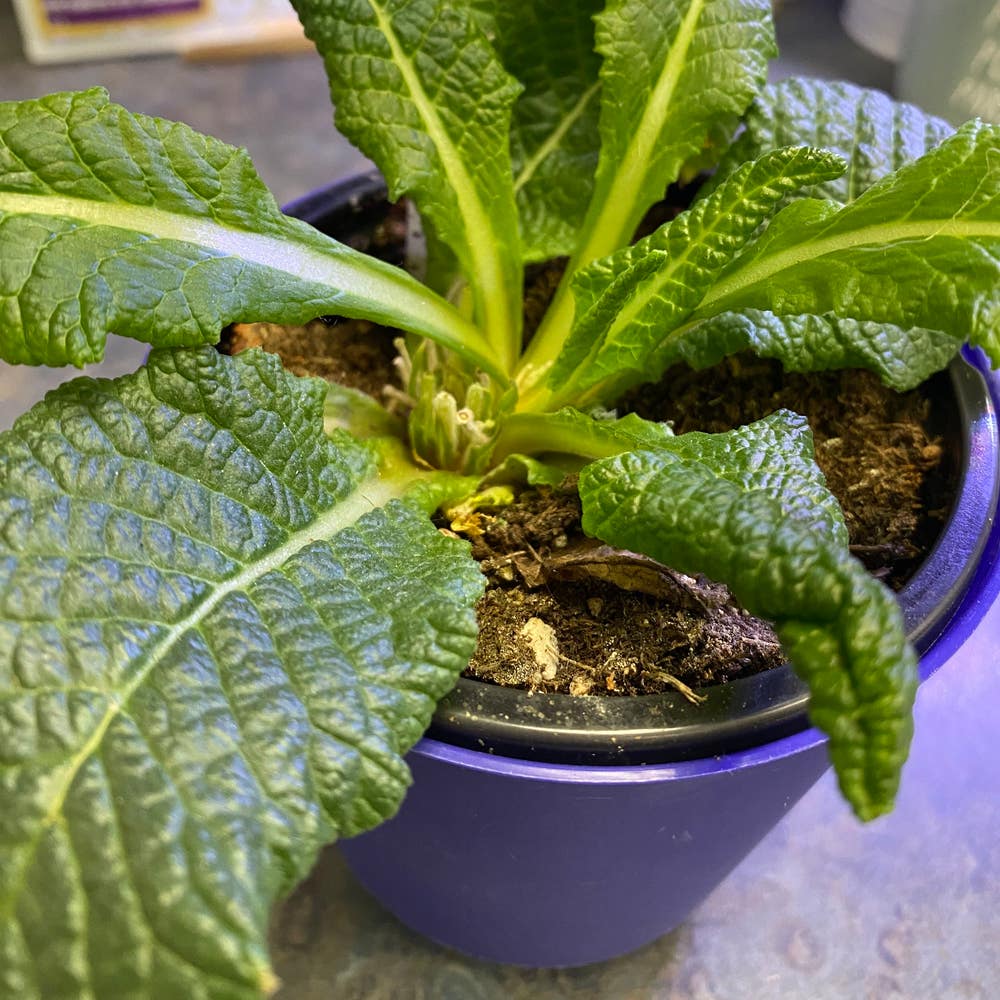
Candelabra Primrose is a stunning addition to any garden, even when it's not in bloom. Its lush foliage and unique flower spikes create a vibrant landscape, making it ideal for moist, shaded areas.
These plants add texture and color, enriching your garden's aesthetic. Their striking presence can elevate any space, ensuring your garden remains visually appealing year-round.
🌱 Reproduction Without Flowers
Even without flowers, Candelabra Primrose has a remarkable ability to reproduce. It can disperse seeds, ensuring the continuation of its species, even when flowering is limited.
Vegetative propagation plays a crucial role in maintaining healthy plant populations. This resilience highlights the plant's adaptability and importance in diverse ecosystems.
In summary, whether blooming or not, Candelabra Primrose offers beauty and functionality, making it a valuable choice for any garden enthusiast. As we explore its unique aspects, you'll discover even more reasons to appreciate this remarkable plant.
Unique Aspects
🌸 Unusual Characteristics Related to Flowering or Non-Flowering Nature
Candelabra Primrose is remarkable for its ability to thrive in moist, shaded environments. This adaptability sets it apart from many flowering plants that require full sun to flourish.
🤔 Interesting Facts or Trivia About Reproductive Strategy
The flowering cycle of Candelabra Primrose is closely tied to seasonal changes, making it a reliable indicator of spring's arrival.
Additionally, variations among cultivars can lead to different flowering characteristics, enhancing the diversity of your garden. This means you can enjoy a range of colors and structures, even if some plants choose not to bloom.
In essence, whether in full flower or simply showcasing its lush foliage, Candelabra Primrose brings unique charm to any garden setting. Its resilience and adaptability make it a favorite among gardeners looking for both beauty and functionality.
As we explore further, let's delve into what happens if your Candelabra Primrose doesn't flower.
⚠️ Safety First
This content is for general information and may contain errors, omissions, or outdated details. It is not medical, veterinary advice, or an endorsement of therapeutic claims.
Always consult a qualified healthcare professional before using any plant as food, medicine, or supplement.
Never eat any plant (or feed one to pets) without confirming its identity with at least two trusted sources.
If you suspect poisoning, call Poison Control (800) 222-1222, the Pet Poison Helpline (800) 213-6680, or your local emergency service immediately.
Spotted an error? Please report it here.
Unlock the vibrant blooms of your Candelabra Primrose 🌼 with Greg's personalized care tips and reminders, ensuring your patience pays off beautifully!