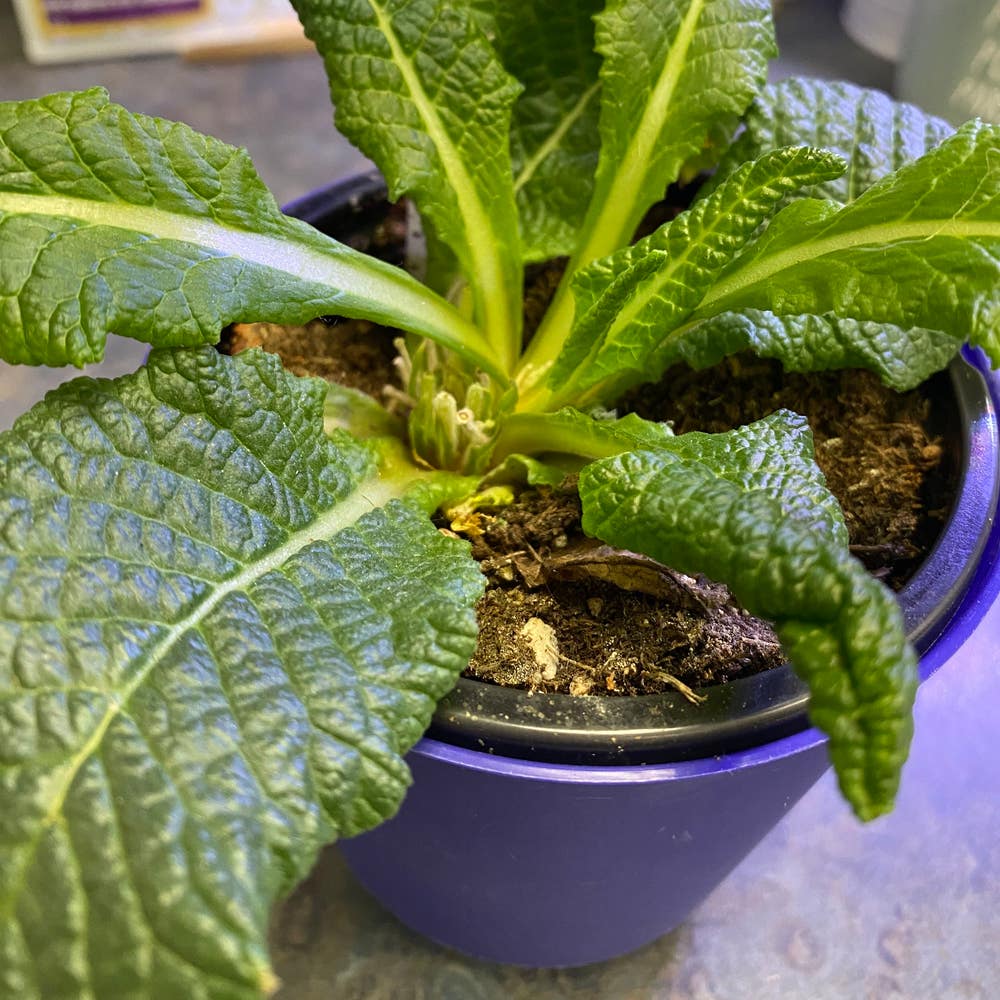
💡 8 Do's and Don'ts of Growing Candelabra Primrose
Primula beesiana
By the Greg Editorial Team
Oct 09, 2024•6 min read
This article was created with the help of AI so we can cover more plants for you. May contain errors. See one? Report it here.
Cultivate vibrant candelabra primrose in your garden with these essential planting and care tips! 🌱
- 🌞 Candelabra primrose thrives in partial shade, needing 4-6 hours of sunlight daily.
- 💧 Moist, well-draining soil is crucial; amend with compost for best results.
- 🌱 Prune and deadhead regularly to encourage blooming and maintain plant health.
Site Selection and Soil Preparation
🌍 Choosing the Right Location
Candelabra primrose thrives in partial shade, ideally receiving 4 to 6 hours of sunlight daily. Full sun exposure can lead to drought stress, so it's crucial to select a spot that offers some protection.
For container growing, ensure your pots are placed in shaded areas. This will help maintain the moisture levels your plants need to flourish.
🏗️ Soil Type and Preparation Techniques
The ideal soil for candelabra primrose is moist, well-draining, and rich in organic matter. Aim for a soil pH between 6.0 and 7.0, which is slightly acidic to neutral.
To prepare your soil, follow these steps:
- Test the soil pH and nutrient levels.
- Amend the soil with compost or peat moss to enhance fertility.
- Ensure proper aeration and drainage by mixing in coarse materials.
🚰 Importance of Drainage and Moisture Retention
Good drainage is vital for preventing root rot and other diseases. Poor drainage can quickly turn your gardening dreams into a nightmare.
To improve drainage, consider adding perlite or sand to your soil mix. For moisture retention, strategies like mulching and using moisture-retentive soil amendments can be incredibly effective.
By focusing on these foundational aspects of site selection and soil preparation, you set your candelabra primrose up for success. Next, let’s dive into the best planting techniques to ensure your plants thrive.
Planting Techniques
Step-by-Step Planting Instructions 🌱
Getting your candelabra primrose in the ground is straightforward. Start by timing your planting for early spring or fall.
- Digging holes: Create holes that are twice the width of the root ball.
- Planting depth: Ensure the crown of the plant is level with the soil surface.
- Backfilling: Firmly but gently pack the soil around the roots to eliminate air pockets.
Spacing and Depth Considerations 📏
Proper spacing is crucial for healthy growth. Aim for a distance of 12-18 inches between each plant.
For container planting, ensure you have at least 12 inches of soil depth. This allows roots to spread and thrive.
Container vs. Outdoor Planting 🏡
Choosing between container and outdoor planting can impact your gardening experience.
Container growing benefits: It offers mobility and a controlled environment, making it easier to manage conditions.
Outdoor planting advantages: You benefit from natural moisture and nutrient availability, which can lead to robust growth.
When selecting a container, consider its size, drainage holes, and material. These factors will significantly affect your plant's health.
With these planting techniques in mind, you're well on your way to cultivating beautiful candelabra primrose. Next, let’s explore how to effectively water and fertilize your plants for optimal growth.
Watering and Fertilizing
💧 Watering Frequency and Techniques
Candelabra primrose thrives in consistently moist soil, especially during dry spells. Make sure to soak the soil thoroughly, but steer clear of overhead watering to prevent fungal issues.
Monitoring moisture levels is crucial. Use a moisture meter or simply test with your finger to ensure the soil remains adequately damp.
🌱 Best Fertilizers
For optimal growth, use balanced, slow-release fertilizers with an NPK ratio of 10-10-10. Fertilize in early spring and again in mid-summer to keep your plants nourished.
If you prefer organic options, consider compost tea or fish emulsion. These alternatives provide essential nutrients without synthetic additives.
🚰 Signs of Overwatering or Underwatering
Be vigilant for signs of overwatering, such as yellowing leaves, wilting, or root rot. These symptoms indicate that your plants are struggling with excess moisture.
On the flip side, underwatering manifests as drooping leaves, dry soil, and stunted growth. Adjust your watering practices based on seasonal changes to keep your candelabra primrose healthy and vibrant.
With proper watering and fertilizing, your candelabra primrose will flourish beautifully. Next, let’s explore effective pruning and maintenance techniques to keep your plants in top shape.
Pruning and Maintenance
🪴 When and How to Prune
Pruning your candelabra primrose is essential for maintaining its health and beauty. The best time to prune is late spring, right after flowering, when the plant is ready for a refresh.
Use clean, sharp pruning shears to cut back spent flower stalks and any damaged leaves. This not only tidies up the plant but also encourages new growth.
🌼 Deadheading Techniques
Deadheading is a simple yet effective technique that promotes further blooming. To deadhead, pinch or cut off spent flowers just above the first set of leaves.
This practice keeps your plant looking vibrant and encourages it to produce more blooms throughout the season.
🍂 Seasonal Care Routines
Each season brings unique care requirements for your candelabra primrose.
- Spring: Focus on fertilizing and monitoring for pests. This sets the stage for robust growth.
- Summer: Regular watering is crucial, along with checking for diseases. Keep an eye out for any signs of stress.
- Fall: Prepare your plant for winter by mulching and reducing watering. This helps protect the roots from cold temperatures.
By following these seasonal routines, you’ll ensure your candelabra primrose thrives year-round.
As you move forward, let’s explore common challenges and solutions to keep your plants in top shape.
Common Challenges and Solutions
🐛 Identifying and Managing Pests
Candelabra primrose can attract a few common pests, including aphids, slugs, and snails. Look for signs like distorted leaves or visible pests to catch infestations early.
To manage these nuisances, consider using neem oil, which is effective and eco-friendly. Hand-picking pests or setting up barriers can also help keep your plants safe.
🦠 Addressing Diseases and Environmental Stress
Root rot and powdery mildew are two diseases that can plague your primrose. Symptoms often include wilting, discoloration, and stunted growth, signaling that something's off.
Prevent these issues by ensuring proper watering practices and good air circulation. Choosing disease-resistant varieties can also make a significant difference in your garden's health.
❄️ Tips for Successful Overwintering
For container plants, moving them indoors or to a sheltered location is crucial during winter. This protects them from harsh conditions and helps maintain their health.
Outdoor plants benefit from a layer of mulch to shield their roots from freezing temperatures. Keep an eye on moisture levels, adjusting your watering routine as needed throughout the winter months.
With these strategies, you can tackle common challenges and ensure your candelabra primrose thrives year-round. Next, let’s explore effective pruning and maintenance techniques to keep your plants looking their best.
⚠️ Safety First
This content is for general information and may contain errors, omissions, or outdated details. It is not medical, veterinary advice, or an endorsement of therapeutic claims.
Always consult a qualified healthcare professional before using any plant as food, medicine, or supplement.
Never eat any plant (or feed one to pets) without confirming its identity with at least two trusted sources.
If you suspect poisoning, call Poison Control (800) 222-1222, the Pet Poison Helpline (800) 213-6680, or your local emergency service immediately.
Spotted an error? Please report it here.
Grow your candelabra primrose flourishing 🌼 with Greg's tailored care reminders and soil testing, ensuring they thrive in their perfect environment!