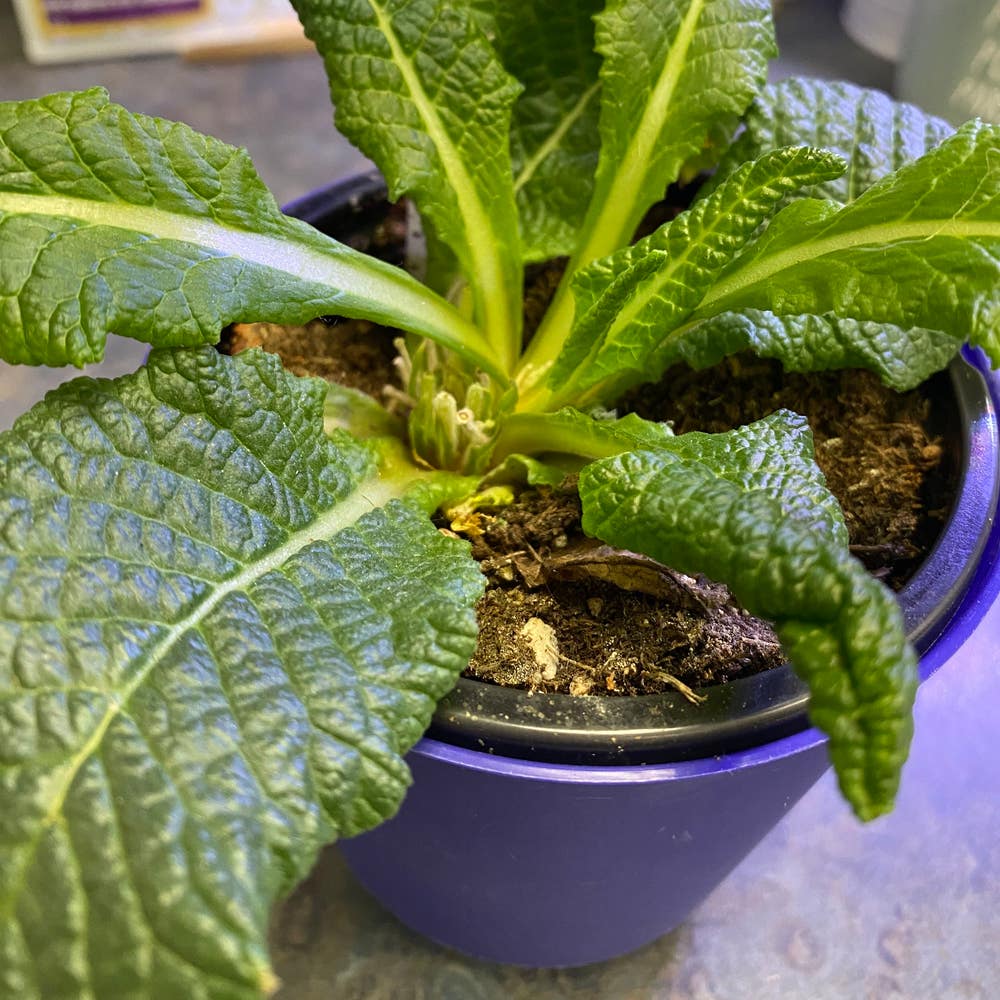
🌼 Understanding Black Spots on Your Candelabra Primrose Leaves
Primula beesiana
By the Greg Editorial Team
Oct 09, 2024•5 min read
This article was created with the help of AI so we can cover more plants for you. May contain errors. See one? Report it here.
Revive your Candelabra Primrose and banish black spots for a flourishing garden! 🌿✨
- 🌱 Black spots often result from fungal infections, pests, or environmental stress.
- 💧 Overwatering leads to root rot, causing black spots on leaves.
- 🌞 Proper sunlight and air circulation are crucial for Candelabra Primrose health.
Causes of Black Spots
🦠 Fungal Infections
Fungal infections are a primary culprit behind black spots on Candelabra Primrose leaves. Leaf spot disease, often caused by various fungi, manifests as dark patches that can spread if not addressed.
Conditions that favor fungal growth include high humidity, poor air circulation, and wet foliage. Keeping these factors in check is crucial for maintaining healthy plants.
🌧️ Environmental Stress
Overwatering is another significant issue. While Candelabra Primrose thrives on consistent moisture, too much water can lead to root rot, causing stress that shows up as black spots.
Nutrient deficiencies also play a role. When plants lack essential nutrients, they become weaker and more susceptible to diseases, including those that cause black spots.
🐛 Pests
Identifying pests is essential for diagnosing leaf damage. Certain insects can create damage that resembles black spots, complicating the issue.
Common pests like aphids and spider mites can stress your plants, making them vulnerable to secondary infections. Regular monitoring can help catch these pests early.
Understanding these causes is the first step in effectively treating and preventing black spots on your Candelabra Primrose. Next, we’ll explore how to diagnose the problem accurately.
Diagnosis
How to Examine Leaves 🌿
To diagnose black spots on your Candelabra Primrose leaves, start with a visual inspection. Pay attention to the size, shape, and color of the spots; these details can help you distinguish between fungal infections and environmental stress.
Next, assess the leaf texture. If you notice wilting or curling, these signs may indicate that your plant is under stress, requiring immediate attention.
Assessing Environmental Factors 🌍
Soil moisture management is crucial for your plant's health. Evaluate your watering practices and ensure proper soil drainage to prevent root rot.
Light conditions also play a significant role. Make sure your Candelabra Primrose receives adequate sunlight without being subjected to excessive shade or harsh direct sunlight.
Identifying Pests 🐛
Look for signs of pest damage, such as webbing, sticky residue, or visible insects on the leaves. These indicators can help you determine if pests are contributing to the black spots.
Regularly inspect the undersides of leaves for early detection of pests. This proactive approach can save your plant from further damage and stress.
By thoroughly examining your plant and its environment, you can effectively diagnose the issues causing those pesky black spots. This understanding will pave the way for appropriate treatment and care, ensuring your Candelabra Primrose thrives.
Next, let’s explore various treatment options to tackle these problems head-on.
Treatment Options
Organic Treatments 🌱
Neem oil is a powerhouse when it comes to tackling both fungal infections and pests. Just a few applications can make a significant difference in the health of your Candelabra Primrose.
Another effective solution is a baking soda spray. Simply mix 1 tablespoon of baking soda with water and spray it on the affected leaves. This method can help combat fungal issues without harsh chemicals.
Chemical Fungicides 🧪
When it comes to chemical options, selecting the right fungicide is crucial. Look for products specifically labeled for leaf spot diseases to ensure effectiveness.
Timing your application is equally important. Aim to apply fungicides during dry conditions to minimize the risk of further fungal spread.
Home Remedies 🏡
For those who prefer DIY solutions, a milk spray can be surprisingly effective. Mix equal parts milk and water, then spray it on the affected areas to help combat the black spots.
Garlic spray is another natural remedy worth trying. Blend garlic with water, strain it, and use it as a natural fungicide. The strong properties of garlic can deter pests and help manage fungal issues.
By exploring these treatment options, you can effectively address black spots on your Candelabra Primrose leaves. Next, let’s dive into prevention strategies to keep your plants thriving.
Prevention Strategies
💧 Best Practices for Watering
Watering your Candelabra Primrose correctly is crucial. Aim to water deeply but infrequently, ensuring the soil remains consistently moist without becoming waterlogged.
Timing is also key. Water in the morning to allow the foliage to dry throughout the day, reducing the risk of fungal infections.
🌱 Soil and Drainage Considerations
The right soil type can make all the difference. Use well-draining soil to prevent excess moisture retention, which can lead to root rot.
Consider your potting options as well. Raised beds or pots with drainage holes are excellent choices for better water management.
🌬️ Importance of Air Circulation
Air circulation is vital for healthy plants. Ensure adequate spacing between your Candelabra Primrose and other plants to promote airflow.
Regular pruning is another effective strategy. Remove dead or crowded foliage to enhance circulation and reduce the risk of disease.
By implementing these prevention strategies, you can create a thriving environment for your Candelabra Primrose, minimizing the chances of black spots and other issues. Next, let’s explore ongoing care to keep your plants healthy year-round.
Ongoing Care
Regular Maintenance Tips 🌱
Routine inspections are crucial for keeping your Candelabra Primrose healthy. Check for early signs of disease or pest infestations to catch issues before they escalate.
Cleaning is equally important. Remove fallen leaves and debris regularly to minimize the risk of fungal spores taking hold.
Seasonal Care Adjustments 🌸
Fertilization plays a key role in your plant's growth. Apply a balanced fertilizer during the growing season to provide essential nutrients and support robust development.
Mulching can also be beneficial. Use organic mulch to retain moisture and prevent soil from splashing onto the leaves, which can lead to fungal problems.
Monitoring for Pests and Diseases 🐛
Conduct weekly checks on your plants. Regularly inspect for any signs of stress or damage to ensure prompt action if needed.
Adopting an integrated pest management approach is effective. Combine cultural, mechanical, and biological controls to tackle pests efficiently and sustainably.
By following these ongoing care strategies, you can help your Candelabra Primrose thrive, setting the stage for a vibrant display in your garden. Next, let’s explore how to diagnose issues effectively.
⚠️ Safety First
This content is for general information and may contain errors, omissions, or outdated details. It is not medical, veterinary advice, or an endorsement of therapeutic claims.
Always consult a qualified healthcare professional before using any plant as food, medicine, or supplement.
Never eat any plant (or feed one to pets) without confirming its identity with at least two trusted sources.
If you suspect poisoning, call Poison Control (800) 222-1222, the Pet Poison Helpline (800) 213-6680, or your local emergency service immediately.
Spotted an error? Please report it here.
Combat those pesky black spots on your Candelabra Primrose leaves with Greg's tailored care tips 🌿 that help you master moisture, sunlight, and pest control for a thriving plant!