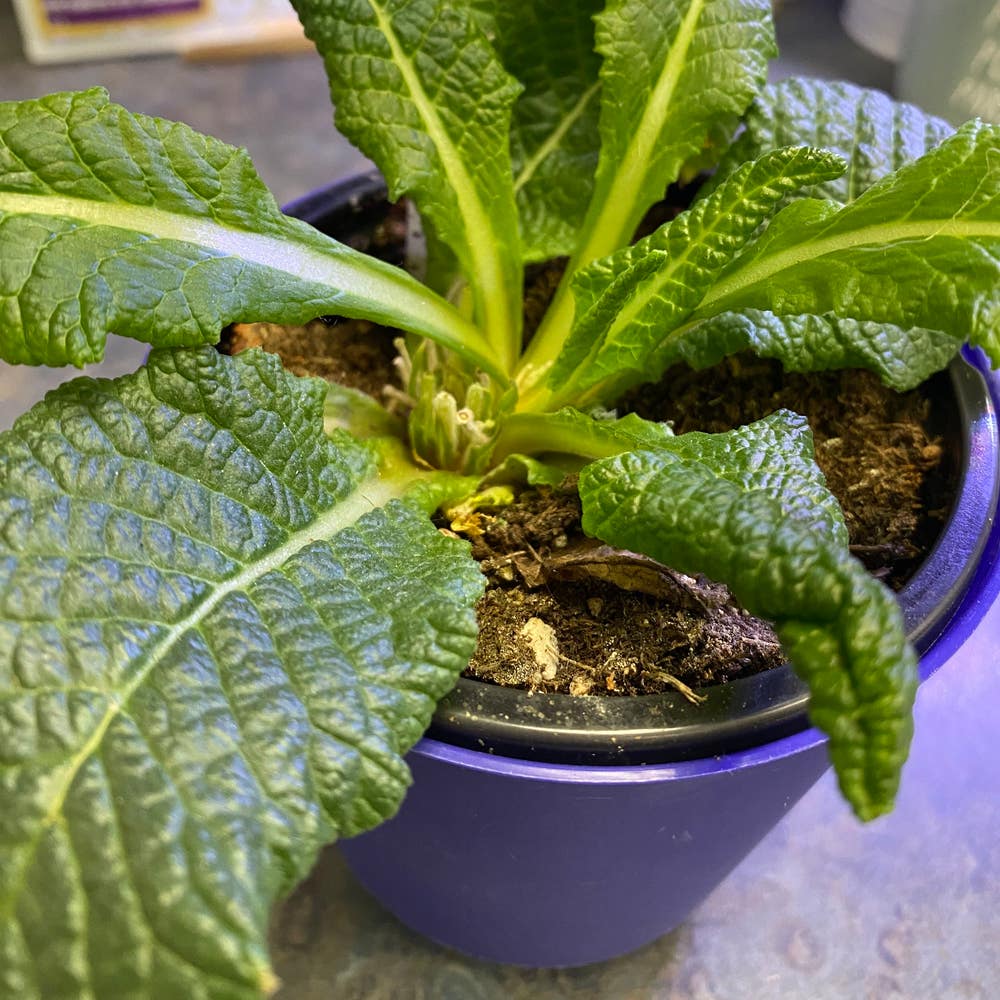
🌞 Optimal Hardiness Zones for Candelabra Primrose: 5a-8b
Primula beesiana
By the Greg Editorial Team
Oct 09, 2024•5 min read
This article was created with the help of AI so we can cover more plants for you. May contain errors. See one? Report it here.
Master Candelabra Primrose's temperature needs 🌼 to ensure vibrant blooms and robust growth in your garden!
- 🌱 Candelabra Primrose thrives in USDA zones 5a-8b, ideal for diverse climates.
- ❄️ Minimum temperatures of 20°F are tolerable, but avoid prolonged severe cold.
- 🌞 Optimal growth occurs between 60°F and 75°F, ensuring vibrant blooms and health.
Temperature Tolerance
❄️ Cold Tolerance Specifics
Candelabra Primrose thrives in cooler climates, with a minimum temperature tolerance of around 20°F (-6°C). Understanding frost tolerance is crucial; these plants can withstand light frosts but may suffer if exposed to severe cold for extended periods.
The timing of the first and last frost dates is vital for successful planting. Knowing these dates helps gardeners plan their planting schedule to avoid frost damage, ensuring robust growth.
☀️ Heat Tolerance Specifics
On the flip side, Candelabra Primrose can tolerate maximum temperatures up to 90°F (32°C). However, prolonged exposure to extreme heat can lead to stress, affecting both growth and flowering.
Heat stress can manifest as wilting or reduced blooming, which is why monitoring temperature is essential during the hotter months.
🌡️ Ideal Temperature Ranges for Growth
For optimal growth, Candelabra Primrose prefers a temperature range of 60°F to 75°F (15°C to 24°C) during its active growth stages. Fluctuations outside this range can impact blooming and overall plant health.
Maintaining stable temperatures is key to ensuring vibrant flowers and a healthy plant. Sudden changes can lead to stress, so it's best to keep an eye on local weather patterns.
This understanding of temperature tolerance sets the stage for exploring the ideal growing regions for Candelabra Primrose. Let's dive into which states fall within the optimal hardiness zones.
Ideal Growing Regions
🌍 Examples of US States in Zones 5a-8b
Candelabra Primrose thrives in several states across the U.S. Here’s a quick list of states that fall within the hardiness zones 5a-8b:
- New York
- Pennsylvania
- Virginia
- North Carolina
- California
- Oregon
In these states, specific regions like the Hudson Valley in New York and the coastal areas of California offer particularly favorable conditions for growth.
🌱 Factors Contributing to Ideal Conditions
For optimal growth, Candelabra Primrose prefers well-drained, rich, and moist soils. These soil types help retain necessary moisture while preventing root rot.
Moisture requirements are crucial, as local climate plays a significant role. Areas with consistent rainfall or access to irrigation will support healthier plants.
☀️ Climate Characteristics of Suitable Regions
Ideal regions for Candelabra Primrose exhibit specific climate conditions. Generally, they experience moderate temperatures, balanced humidity, and adequate rainfall.
Seasonal variations also impact growth. For instance, mild winters and warm summers can enhance blooming, while extreme temperature fluctuations may stress the plant.
Understanding these factors can help you choose the best location for your Candelabra Primrose, ensuring vibrant blooms and robust health.
Next, we’ll explore how microclimates can extend the growing range for this beautiful plant.
Microclimates and Their Impact
🌍 How Microclimates Can Extend Growing Range
Microclimates are localized areas where the climate differs from the surrounding region. They can create favorable conditions for Candelabra Primrose, allowing it to thrive even outside its typical hardiness zones.
Urban areas often generate heat islands, raising temperatures and extending growing seasons. In contrast, rural microclimates may benefit from natural features like trees or hills that provide shelter from harsh weather.
🌊 Examples of Microclimate Effects
Consider the coastal regions of California, where proximity to the ocean moderates temperatures. This unique microclimate allows Candelabra Primrose to flourish, even in areas that might otherwise be too warm or cold.
Another example is the Appalachian Mountains, where elevation creates cooler temperatures. Here, specific valleys can maintain moisture and provide ideal conditions for growth, showcasing how microclimates can significantly impact plant viability.
Understanding these microclimate effects can help gardeners and horticulturists make informed decisions about where to plant Candelabra Primrose. By recognizing local conditions, you can maximize your chances of success.
As we explore state-level suitability analysis, we’ll delve deeper into which states offer the best environments for this beautiful plant.
State-Level Suitability Analysis
🌱 Suitable States
Candelabra Primrose thrives in USDA hardiness zones 5a-8b. Here’s a detailed list of states where you can successfully grow this vibrant plant:
- California: The coastal regions offer a mild climate with well-drained soils.
- Oregon: Known for its rich, moist soils and moderate temperatures.
- Washington: The western part has ideal conditions with adequate rainfall.
- New York: Upstate areas provide the right balance of temperature and soil type.
- North Carolina: The climate supports healthy growth, especially in the western mountains.
These states provide the perfect blend of climate and soil conditions, allowing Candelabra Primrose to flourish.
❌ Unsuitable States
Not all states are conducive to growing Candelabra Primrose. Here are some that fall outside the hardiness range:
- Florida: The high humidity and extreme heat can stress the plant.
- Alaska: The cold temperatures and short growing season are not ideal.
- Texas: While some areas are suitable, many regions experience excessive heat.
- Arizona: The arid climate lacks the moisture this plant needs.
These states face climatic challenges that hinder the growth of Candelabra Primrose.
🔍 Reasons for Suitability or Unsuitability
Understanding the reasons behind these classifications is crucial.
- Temperature Extremes: States within the suitable range experience moderate temperature fluctuations, allowing for healthy growth.
- Frost Dates: The timing of the first and last frost is critical. Suitable states typically have a longer growing season.
- Soil Conditions: Well-drained, rich soils are essential. Unsuitable states often have sandy or overly compacted soils that do not retain moisture.
These factors significantly influence the viability of Candelabra Primrose, making it essential to choose the right location for planting.
As you explore the best states for growing Candelabra Primrose, consider how local conditions can impact your gardening success. Next, we'll delve into the microclimates that can further extend the growing range of this beautiful plant.
⚠️ Safety First
This content is for general information and may contain errors, omissions, or outdated details. It is not medical, veterinary advice, or an endorsement of therapeutic claims.
Always consult a qualified healthcare professional before using any plant as food, medicine, or supplement.
Never eat any plant (or feed one to pets) without confirming its identity with at least two trusted sources.
If you suspect poisoning, call Poison Control (800) 222-1222, the Pet Poison Helpline (800) 213-6680, or your local emergency service immediately.
Spotted an error? Please report it here.
Maximize your success with Candelabra Primrose 🌼 by using Greg's tailored frost date reminders and care tips to keep your blooms thriving in the perfect hardiness zones!