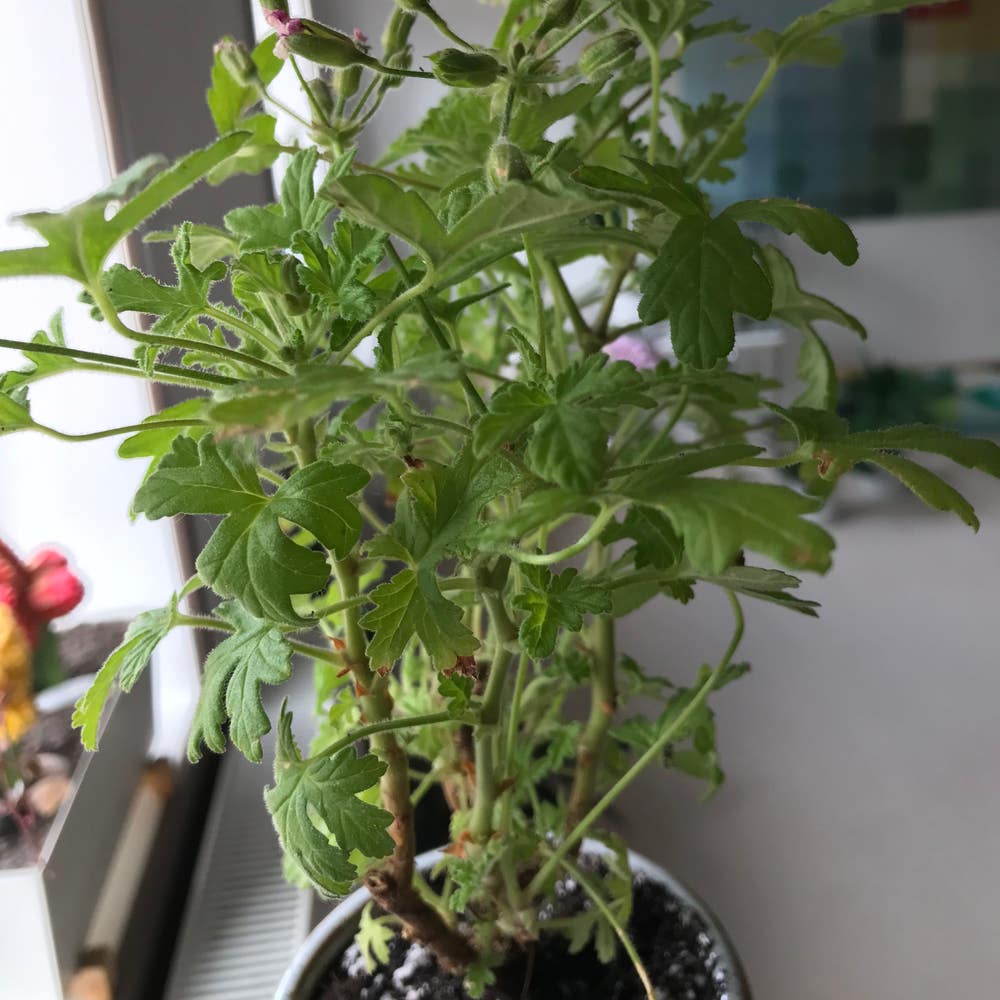
What It Means When Your Tree Mallow Wilts 🌼
Malva arborea
By the Greg Editorial Team
Oct 09, 2024•6 min read
This article was created with the help of AI so we can cover more plants for you. May contain errors. See one? Report it here.
Transform your wilting Tree Mallow into a thriving beauty 🌿 with these essential care tips and tricks!
- 💧 Wilting in Tree Mallow often results from water stress, heat, or rare diseases.
- 🌡️ Heat stress signs include wilting in sunlight and scorched leaf edges above 30°C (86°F).
- 🌱 Consistent watering and mulch are essential for preventing wilting and promoting health.
Common Causes of Wilting Leaves
💧 Water Stress
Water stress occurs when your Tree Mallow doesn't get enough moisture, leading to dehydration. You’ll notice symptoms like drooping leaves, dry soil, and curling foliage.
Contributing Factors:
- Infrequent watering schedules can leave your plant parched.
- Poor drainage in the soil can trap water, preventing roots from absorbing what they need.
☀️ Heat Stress
Heat stress happens when temperatures soar, putting your Tree Mallow under physiological strain. Look for wilting during peak sunlight hours and scorched edges on leaves.
Contributing Factors:
- High temperatures exceeding 30°C (86°F) can be detrimental.
- A lack of shade during the hottest part of the day intensifies the stress.
🦠 Disease-Related Wilting
While sudden wilting, discoloration, and leaf drop can indicate disease, it's important to note that pathogenic wilt is rare in Tree Mallow. Focus on environmental factors before jumping to conclusions about disease.
Understanding these common causes can help you diagnose and address wilting issues effectively. Next, we’ll explore how to diagnose wilting in your Tree Mallow.
Diagnosing Wilting
📝 Step-by-Step Guide
Assess Soil Moisture: Start by checking the top 2 inches of soil. If it feels dry, your Tree Mallow likely needs water.
Observe Environmental Conditions: Take note of the temperature and sunlight exposure. Extreme heat or direct sunlight can exacerbate wilting.
Inspect for Pests or Diseases: Look closely for any signs of infestation or fungal growth. Early detection can save your plant from further damage.
Evaluate Watering Practices: Review how often and how much water you give your Tree Mallow. Inconsistent watering can lead to stress.
Check for Root Health: Gently remove the plant from its pot to inspect the roots. Look for any signs of rot or damage that could be affecting its health.
👀 Signs to Look For
Leaf Color Changes: Watch for yellowing or browning leaves. These are often indicators of stress.
Leaf Texture: Soft, limp leaves suggest that your plant is struggling. This could be due to water or heat stress.
Growth Patterns: Stunted growth or a leggy appearance can signal underlying issues. Healthy plants should have robust growth.
By following these steps and observing these signs, you can effectively diagnose the cause of your Tree Mallow's wilting. This proactive approach will help you take the necessary actions to revive your plant and keep it thriving.
Next, let’s explore actionable solutions to address the wilting leaves.
Solutions for Wilting Leaves
💧 Actionable Advice for Water Stress
When your Tree Mallow shows signs of water stress, it's crucial to adjust your watering techniques. Deep watering is essential; aim for the water to penetrate the root zone, reaching 6-12 inches deep.
To maintain optimal moisture levels, establish a watering frequency of every 5-7 days, especially during dry spells. This ensures your plant receives the hydration it needs to thrive.
☀️ Actionable Advice for Heat Stress
Heat stress can be a significant issue for your Tree Mallow. To mitigate this, consider providing afternoon shade using cloth or nearby plants to shield it from the harsh sun.
Additionally, applying mulch around the base of the plant helps retain soil moisture. This simple step can make a world of difference in keeping your plant cool and hydrated.
🦠 Actionable Advice for Disease-Related Wilting
If you suspect disease-related wilting, prompt action is necessary. Start by removing any affected leaves to prevent the spread of pathogens.
In cases where fungal issues arise, applying organic fungicides can be an effective treatment. This approach not only addresses the problem but also supports the overall health of your Tree Mallow.
By implementing these solutions, you can help your Tree Mallow recover from wilting and thrive in its environment. Next, let’s explore preventive measures to minimize future wilting episodes.
Preventive Measures
Tips to Minimize Future Wilting Episodes 🌱
To keep your Tree Mallow thriving, regularly monitor soil moisture levels. Checking the soil can help you catch any dryness before it leads to wilting.
Establishing a consistent watering schedule is crucial. Aim to water your plant at the same intervals to ensure it receives adequate hydration.
Using mulch can be a game-changer. It helps retain moisture and regulates soil temperature, creating a more stable environment for your plant.
Environmental Considerations 🌍
Planting in well-draining soil is essential to prevent waterlogging. Good drainage allows excess water to escape, reducing the risk of root rot.
Position your Tree Mallow in a spot that receives full sun but has some afternoon shade. This balance helps protect it from extreme heat while ensuring it gets enough light to flourish.
By implementing these preventive measures, you can significantly reduce the chances of your Tree Mallow wilting. With a little care and attention, your plant can thrive beautifully in your garden.
Next, let’s explore effective techniques for reviving a wilted Tree Mallow.
Reviving a Wilted Tree Mallow
🌊 Techniques for Bottom Watering
Bottom watering is a simple yet effective method to revive your wilted Tree Mallow. Just place the pot in a basin of water for about 30 minutes, allowing the roots to soak up moisture from the bottom.
🏡 Relocating the Plant Temporarily
If extreme heat is stressing your plant, consider relocating it temporarily. Move your Tree Mallow to a cooler, shaded area during the hottest parts of the day, and gradually reintroduce it to full sun once it shows signs of recovery.
✂️ Pruning Damaged Leaves
Pruning can help your Tree Mallow bounce back. Use clean, sharp shears to remove any wilted or damaged leaves, cutting back to healthy tissue to encourage new growth.
Reviving a wilted Tree Mallow requires a combination of proper watering, strategic relocation, and thoughtful pruning. With these techniques, your plant can regain its vitality and flourish once more. Next, let’s explore when it’s time to seek expert help for persistent issues.
When to Seek Help
🚨 Signs That Require Expert Assistance
If your Tree Mallow continues to wilt despite your best care efforts, it may be time to consult an expert. Persistent wilting can indicate underlying issues that are not easily resolved through standard care.
Look out for severe pest infestations or signs of disease. If you notice unusual discoloration, rapid leaf drop, or a sudden change in growth patterns, these could be red flags that require professional intervention.
📚 Resources
For tailored advice, consider reaching out to local nurseries. They can provide specific insights into Tree Mallow care based on your region and climate.
Additionally, engaging with the plant care community online can be incredibly helpful. Sharing experiences and solutions with fellow enthusiasts can lead to valuable tips and support for your wilting Tree Mallow.
By staying proactive and seeking help when needed, you can ensure your plant thrives and flourishes.
⚠️ Safety First
This content is for general information and may contain errors, omissions, or outdated details. It is not medical, veterinary advice, or an endorsement of therapeutic claims.
Always consult a qualified healthcare professional before using any plant as food, medicine, or supplement.
Never eat any plant (or feed one to pets) without confirming its identity with at least two trusted sources.
If you suspect poisoning, call Poison Control (800) 222-1222, the Pet Poison Helpline (800) 213-6680, or your local emergency service immediately.
Spotted an error? Please report it here.
Revive your wilting Tree Mallow with Greg's tailored watering reminders 🌱, ensuring it gets the moisture it craves for a lush, healthy life!