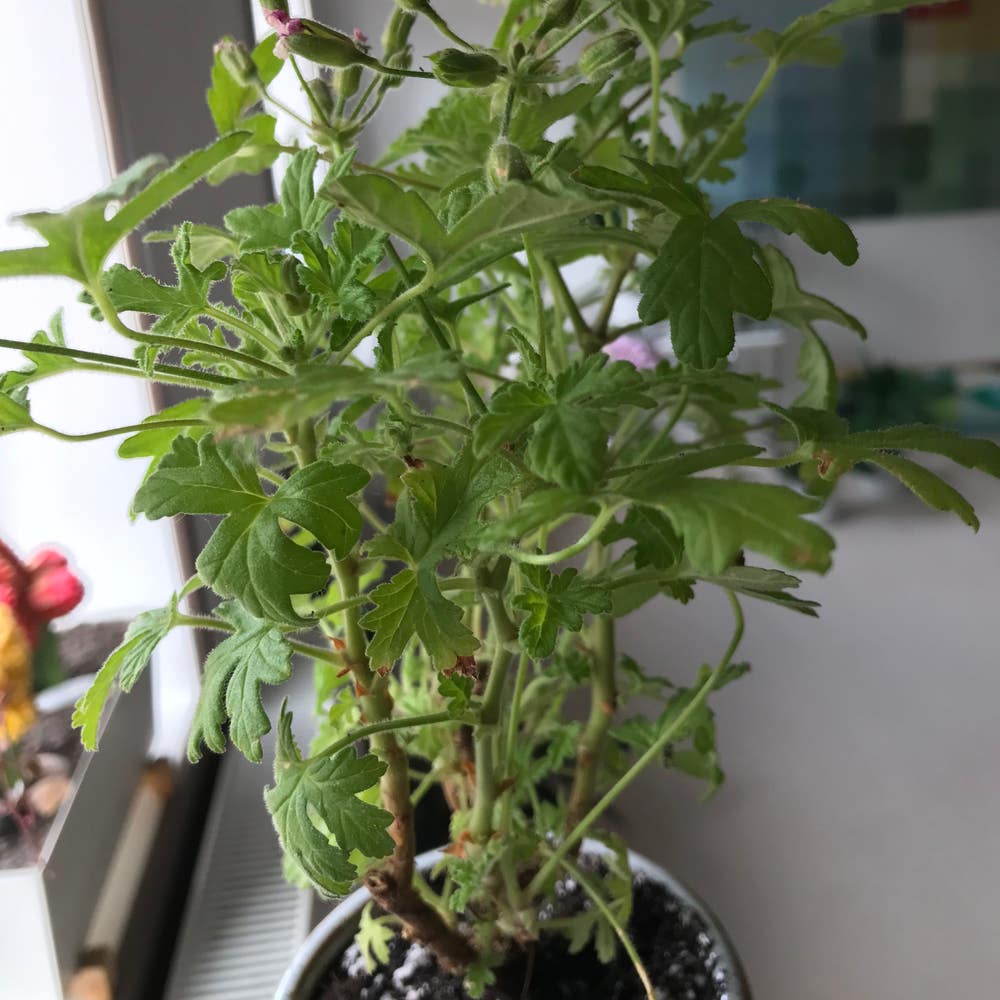
How Do I Propagate My Tree Mallow?
Malva arborea
By the Greg Editorial Team
Mar 02, 2024•7 min read
This article was created with the help of AI so we can cover more plants for you. May contain errors. See one? Report it here.
Propagate your Tree Mallow effortlessly 🌱 and watch your garden flourish with these expert tips!
- Timing is key for harvesting seeds and dividing plants.
- Healthy stems, sterile tools for successful stem cuttings.
- Right conditions and patience ensure propagation success.
Getting Started with Seed Propagation
🌱 Choosing Your Seeds
Tree Mallow seeds are your ticket to new plants. Timing is crucial; wait for the seed pods to mature on the plant. Once they're ready, harvest these little gems for germination. Ensure you're not too eager—patience pays off with viable seeds.
🌱 Planting the Seeds
🏗️ Preparing the Soil
Start with a well-draining soil mix—think equal parts potting soil, sand, and perlite. Your Tree Mallow's future depends on this trifecta for proper drainage and aeration.
🏗️ Sowing the Seeds
Scatter the seeds over the soil surface with the care of a jeweler setting diamonds. They need space, so don't crowd them. A light dusting of soil should follow—just enough to tuck them in, not bury them alive.
🏗️ Creating the Right Conditions
Moisture and warmth are non-negotiable for germination. Cover your seed tray with plastic wrap or a clear lid to lock in humidity. Place the tray in a spot with bright, indirect light—think cozy, not sunbathing.
🏗️ Watering Wisely
Water to keep the soil moist but not waterlogged. Overwatering is a one-way ticket to root rot, so let's not drown our future Tree Mallows. A gentle misting can work wonders here.
🏗️ Patience and Monitoring
Watch for the first signs of life—sprouts are your green light. Keep the soil consistently moist and maintain that warm, humid environment. Celebrate when you see those first true leaves; you've just started a new generation.
Rooting Your Future: Stem Cutting Propagation
🌱 Selecting and Preparing Stem Cuttings
In the quest to propagate Tree Mallow, choosing the right stem is half the battle. Look for stems that scream health—no pests, no diseases, just pure, unadulterated vigor.
🛠️ Tools of the Trade
Sterilize your shears or knife before making the cut; it's like prepping for surgery, but for plants. Aim for a 4-6 inch cutting with several leaf nodes, the real estate where roots love to pop up. Strip the lower leaves to avoid rot and keep a couple up top for photosynthesis to do its thing.
🌱 Rooting Cuttings Like a Pro
🌾 Medium Matters
Rooting medium—it's not just dirt. Choose a mix of perlite, vermiculite, or sand and soil that's the right balance of moisture and air. It's like picking a mattress for your cuttings; comfort is key.
💉 Hormone Hype
Rooting hormone isn't mandatory, but it's like a growth steroid for your cuttings. Dip the end in before planting, and watch the rooting odds tilt in your favor.
⏳ The Waiting Game
Once planted, it's a patience test. Keep the medium moist but not soggy—think of it as a moist towelette, not a wet sponge. When roots show up, it's time for the cuttings to graduate to soil. Transition them slowly; it's a big world out there for a young root.
Multiplying Magic: Division Propagation
🌱 When and How to Divide Tree Mallow
Dividing Tree Mallow is like a garden refresh button. Late fall or early spring, when the plant is dozing off or just waking up, is your sweet spot for division.
⏰ Timing is Everything
Dormancy is key. Post-bloom, pre-frost fall, or pre-sprout spring are your go-to seasons. This timing gives your plant divisions the best shot at taking root without the stress of extreme weather or active growth.
🌿 The Division Dance
First, dig up your Tree Mallow, aiming to keep the root system intact. Use a sharp spade or knife to divide the root mass, ensuring each new plant has its own set of roots and shoots. Think of it as plant surgery—precision matters.
🏡 Planting Divided Sections
Once you've got your divisions, it's time to give them a new home.
🌱 Soil and Spacing
Choose a well-draining potting mix—peat and perlite are your friends here. Space out the divisions to avoid future squabbles for space and resources.
💧 Water Wisely
Water sparingly at first. Overenthusiastic watering can lead to root rot, and nobody wants that. Think of it as making a strong coffee—too much water and it's ruined.
🌱 Settling In
Monitor your new Tree Mallow plants closely. Light and temperature will be their new best friends or worst enemies. Keep them cozy, but not coddled, and they'll start to thrive.
Ensuring Propagation Success
🌱 Creating the Perfect Environment
In the quest to nurture Tree Mallow cuttings, seeds, or divisions, environment is king.
💡 Light
Bright, indirect light is your best friend here. Too much sun and your baby plants might throw a fit, too little and they'll sulk in the shadows.
🌡️ Temperature
Keep things cozy but not tropical; a stable room temperature is ideal. Avoid the drama of temperature swings—they're no good for your plant's budding acting career.
💧 Humidity
Aim for a humid environment, but don't turn your propagation station into a swamp. Think misty mornings, not monsoons.
💨 Airflow
Gentle airflow keeps things fresh without blasting your delicate cuttings into oblivion. A soft breeze, not a hurricane.
🌿 Aftercare for New Tree Mallow Plants
Post-propagation care is like the after-party—it's where the real growth happens.
🚰 Watering
Moist soil is the goal; think damp sponge, not soggy marsh. Overwatering is a party foul that leads to root rot.
🍽️ Feeding
Feed your new plants with a balanced fertilizer, but don't go overboard. It's a snack, not an all-you-can-eat buffet.
🏡 Repotting
Wait until your plants have established roots before considering a move. It's like waiting for the right moment to ask someone out—timing is everything.
👀 Observation
Keep a watchful eye for pests or diseases. Catching them early means less drama down the line.
Remember, these plants are counting on you to set the stage for their debut. Keep the conditions consistent, and you'll be the director of a thriving green ensemble.
Overcoming Propagation Pitfalls
🌱 Identifying and Solving Common Problems
In the thick of Tree Mallow propagation, setbacks can hit like unexpected plot twists. Here's how to turn the page to a happier chapter.
🌊 Root Rot: The Wet Bandit
Overwatering is the usual suspect behind root rot, turning roots into a soggy disaster. If your plant's base feels like a squishy sponge, it's time to dial back on the H2O. Make sure your pots have drainage holes to let excess water escape.
🍄 Fungal Foes: Uninvited Guests
Gray mold and powdery mildew love crashing the propagation party. Keep the air moving around your cuttings and seedlings; stagnant air is a fungal fiesta. If they still show up, reach for a fungicide—stat.
🐜 Pests: The Tiny Terrors
Pests are like that annoying relative who always overstays their welcome. If you spot aphids, spider mites, or other freeloaders, show them the door with a blast of water or an insecticidal soap.
🍽️ Nutrient Necessities: The Balancing Act
Yellow leaves or stunted growth? Might be a cry for nutrients. A balanced fertilizer can pep up your plants, but don't go overboard—think of it as a spice, not the main ingredient.
🌞 Light Levels: The Illumination Equation
Too much shade can leave your Tree Mallow in the dark, growth-wise. Ensure they get enough light, but not so much they need to put on sunscreen. No sun? Consider grow lights—they're like a plant's personal sun.
🌡️ Temperature Tantrums: The Climate Dance
If your cuttings are wilting like overcooked spaghetti, they might be too cold. Move them to a warmer spot, but avoid turning your propagation station into a sauna. The right temperature is key.
🏳️ When to Fold: Recognizing a Bust
Sometimes, despite your best efforts, it's time to wave the white flag. If your Tree Mallow is more dead than alive, compost it and start anew. Remember, resilience is your secret weapon in the propagation game.
⚠️ Safety First
This content is for general information and may contain errors, omissions, or outdated details. It is not medical, veterinary advice, or an endorsement of therapeutic claims.
Always consult a qualified healthcare professional before using any plant as food, medicine, or supplement.
Never eat any plant (or feed one to pets) without confirming its identity with at least two trusted sources.
If you suspect poisoning, call Poison Control (800) 222-1222, the Pet Poison Helpline (800) 213-6680, or your local emergency service immediately.
Spotted an error? Please report it here.
Ensure your Tree Mallow thrives from seed to sprout with Greg's tailored reminders 🌱, perfecting your propagation timing and aftercare for robust growth.