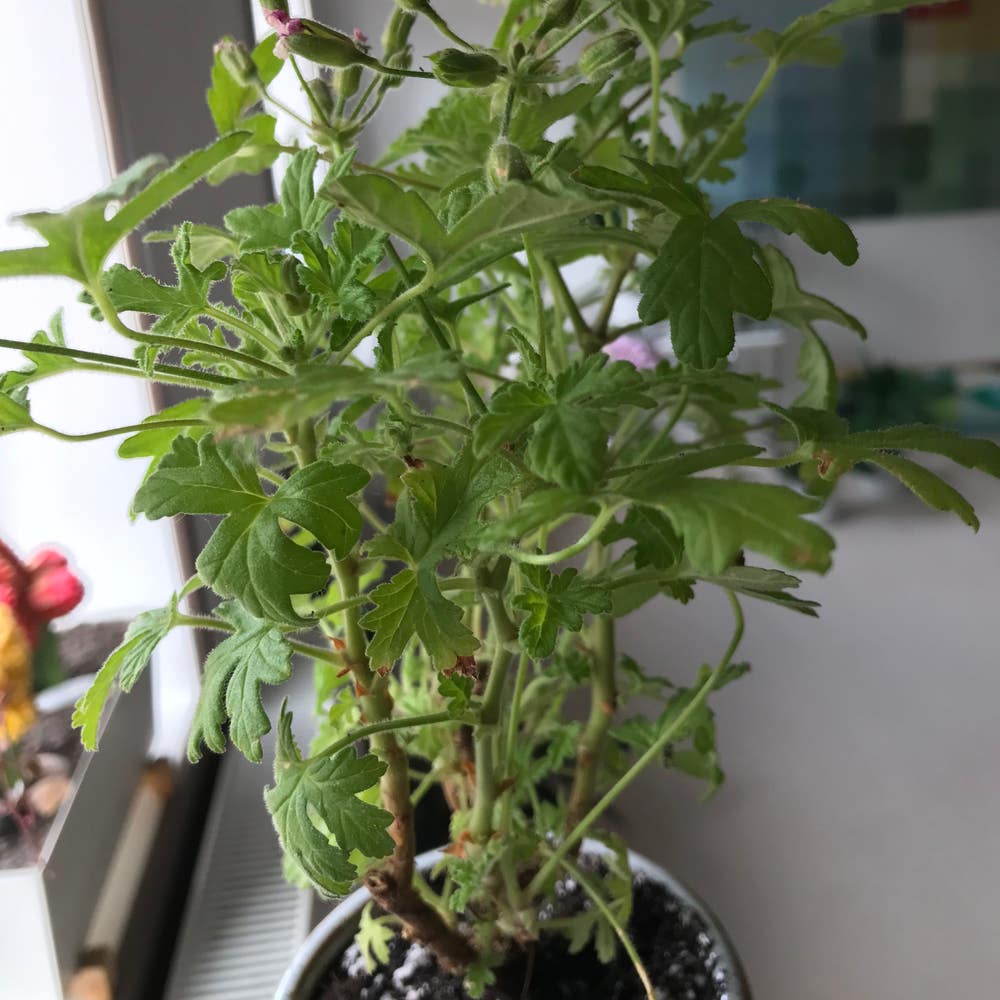
🌳 Why Tree Mallow Is A Perennial Plant
Malva arborea
By the Greg Editorial Team
Oct 09, 2024•4 min read
This article was created with the help of AI so we can cover more plants for you. May contain errors. See one? Report it here.
Transform your garden with tree mallow's resilience and beauty, ensuring vibrant blooms year after year! 🌸
- 🌱 Tree mallow thrives for 3-5 years, with optimal conditions extending its lifespan.
- 🌼 Blooms attract pollinators from late spring to early summer, enhancing garden vitality.
- 🌞 Full sun and well-drained soil are essential for healthy growth and flowering.
Key Characteristics of Tree Mallow
🌱 Multi-Year Lifecycle
Tree mallow exhibits a fascinating multi-year lifecycle that includes distinct phases: growth, flowering, and dormancy. During the growth phase, the plant establishes itself, developing lush foliage and robust stems.
Typically, tree mallow lives for about 3 to 5 years, but under optimal conditions, it can thrive even longer. This longevity makes it a reliable choice for gardeners seeking lasting beauty.
🌳 Growth Patterns and Root Regeneration
One of the standout features of tree mallow is its deep, established root system. These roots not only anchor the plant but also support impressive regrowth after dormancy.
Tree mallow adapts well to various soil types, thriving particularly in well-drained soils and full sun. This adaptability enhances its resilience, allowing it to flourish in diverse environments.
The established root systems play a crucial role in the overall health of the plant. They improve soil structure and moisture retention, making tree mallow a beneficial addition to any garden.
With its unique lifecycle and robust growth patterns, tree mallow sets the stage for understanding its impact on flowering and seasonal changes.
Impact of Perennial Nature on Growth and Flowering
🌸 Flowering Cycles and Seasonal Changes
Tree mallow typically blooms from late spring to early summer, showcasing vibrant flowers that attract pollinators. The flowering period is influenced by several factors, including temperature, sunlight, and moisture availability.
As seasons change, tree mallow prepares for dormancy in winter. This transition is crucial for conserving energy and ensuring a robust return in the spring.
⏳ Longevity Factors
The longevity of tree mallow is affected by soil quality, climate conditions, and care practices. Healthy, nutrient-rich soil can significantly extend its lifespan.
Environmental factors also play a role in variability. For instance, tree mallow in Mediterranean climates may thrive longer than those in harsher, temperate regions, showcasing its adaptability.
Understanding these dynamics helps gardeners appreciate the resilience and beauty of tree mallow, making it a valuable addition to any garden. As we delve deeper into dormancy and seasonal changes, we'll explore how these factors further influence growth and care.
Dormancy and Seasonal Changes
🌱 Description of Dormancy
Winter dormancy is a fascinating phase for the Tree Mallow. During this time, the plant undergoes physiological changes to conserve energy, preparing for the harsher conditions ahead.
Signs of dormancy are quite noticeable. You’ll see leaf drop and a marked reduction in growth activity, signaling that the plant is resting and recharging for the upcoming growing season.
🍂 Seasonal Adaptations
Dormancy can vary significantly based on climate zones. In Mediterranean regions, Tree Mallow may experience shorter dormancy periods compared to those in temperate climates, where winters can be harsher.
Local conditions play a crucial role in spring regrowth. Factors like temperature and moisture availability can greatly influence how quickly and robustly the Tree Mallow emerges from its dormant state.
Understanding these seasonal changes can help gardeners better prepare for the growth cycles of Tree Mallow, ensuring a thriving garden year after year.
Advantages for Gardeners
🌱 Benefits of Perennial Nature
Tree mallow's perennial nature offers significant advantages for gardeners. One of the most appealing aspects is the reduced need for replanting, making it a long-term investment in your garden design.
Established root systems play a crucial role in enhancing soil health. They improve moisture retention, ensuring that your garden remains vibrant even during dry spells.
🌿 Long-Term Cultivation Strategies
Regular maintenance is essential for maximizing the benefits of tree mallow. Pruning helps promote healthy growth, while soil enrichment boosts nutrient availability.
To optimize growth and flowering, consider the planting location. Pairing tree mallow with companion plants can enhance both aesthetics and overall plant health, creating a thriving garden ecosystem.
Incorporating these strategies will not only ensure a flourishing garden but also deepen your connection to the plants you nurture.
Maximizing Benefits in Garden Planning
🌱 Tips for Incorporating in Design
To get the most out of your Tree Mallow, place it in full sun areas with well-drained soil. This setup not only promotes healthy growth but also enhances flowering.
Companion planting can significantly boost your garden's aesthetic and health. Consider pairing Tree Mallow with plants like lavender or rosemary, which thrive in similar conditions and attract beneficial pollinators.
🌍 Considerations for Climate Zones
Tailoring your care practices to your local climate is crucial. Adjust your watering schedule, apply mulch for moisture retention, and protect against frost to ensure your Tree Mallow thrives.
Selecting the right variety for your region can make all the difference. Look for adaptations that suit your specific climate, enhancing resilience and overall growth potential.
By thoughtfully planning your garden with these strategies, you can enjoy the long-lasting beauty and benefits of Tree Mallow while creating a vibrant ecosystem.
⚠️ Safety First
This content is for general information and may contain errors, omissions, or outdated details. It is not medical, veterinary advice, or an endorsement of therapeutic claims.
Always consult a qualified healthcare professional before using any plant as food, medicine, or supplement.
Never eat any plant (or feed one to pets) without confirming its identity with at least two trusted sources.
If you suspect poisoning, call Poison Control (800) 222-1222, the Pet Poison Helpline (800) 213-6680, or your local emergency service immediately.
Spotted an error? Please report it here.
Nurture your tree mallow to thrive beautifully 🌱 with Greg's tailored care reminders and tips, ensuring this perennial flourishes for years to come!