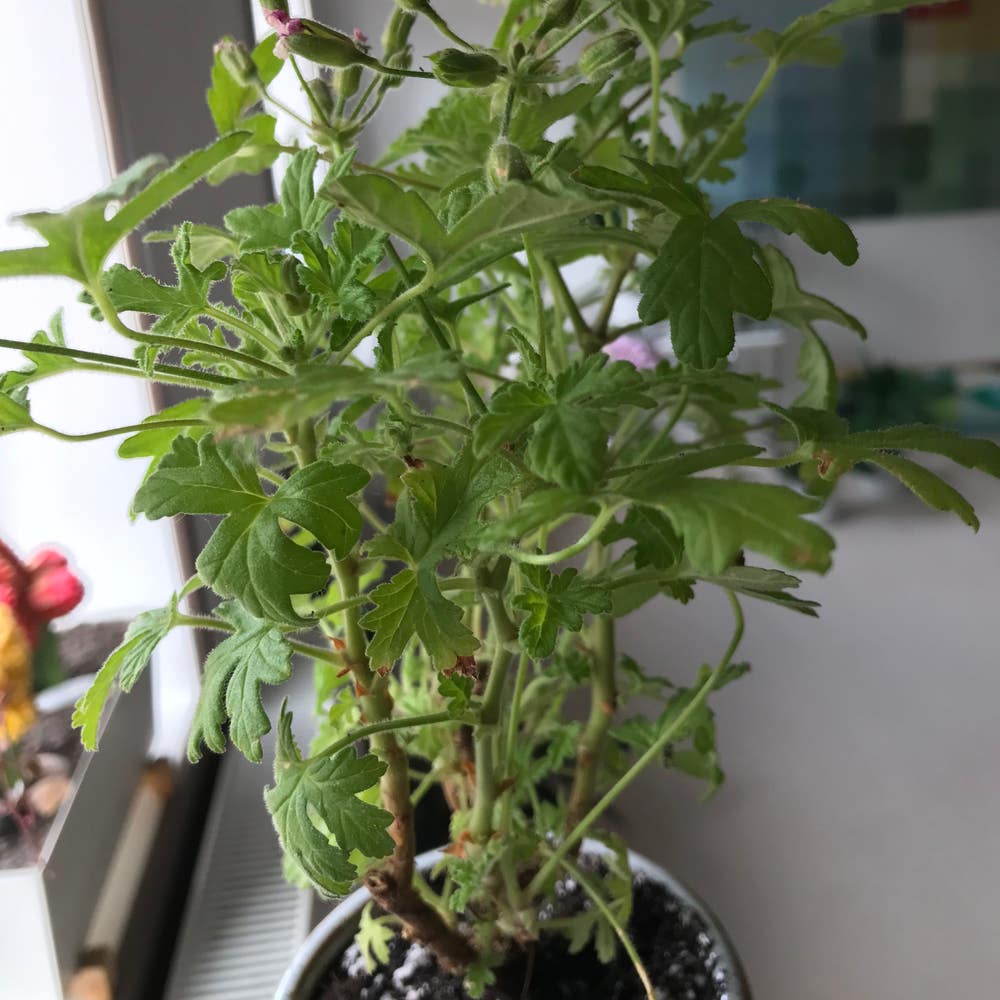
🌳 Why Tree Mallow Is Not an Annual
Malva arborea
By the Greg Editorial Team
Oct 09, 2024•5 min read
This article was created with the help of AI so we can cover more plants for you. May contain errors. See one? Report it here.
Transform your garden with Tree Mallow's beauty and resilience, boosting both aesthetics and local ecosystems! 🌱
- 🌱 Tree Mallow is a perennial, thriving year after year with robust growth cycles.
- 🌼 Its deep roots access nutrients, enabling resilience in various environmental conditions.
- 🌿 Seasonal adaptations ensure Tree Mallow's vibrant blooms and support local wildlife.
Tree Mallow's Perennial Nature
🌱 Genetic Characteristics
Tree Mallow, scientifically known as Malva sylvestris, is classified as a perennial plant. This classification is crucial because it highlights the genetic adaptations that enable its longevity and resilience.
The plant's genetic traits include a robust root system that develops deep roots. These roots are essential for accessing nutrients and water, allowing Tree Mallow to thrive in various conditions.
🌿 Physiological Traits Supporting Perennial Growth
The leaf structure of Tree Mallow is uniquely adapted for photosynthesis across multiple seasons. This adaptation ensures that the plant can efficiently harness sunlight, contributing to its growth year after year.
Additionally, Tree Mallow exhibits remarkable stem growth. Each year, it can regrow from the base, a trait that supports its perennial nature and allows it to recover quickly after adverse conditions.
📅 Long-Term Lifecycle and Growth Patterns
Tree Mallow follows a distinct lifecycle, which includes phases of establishment, growth, flowering, and dormancy. Understanding these phases is key to appreciating how it differs from annual plants.
Unlike annuals, Tree Mallow has seasonal growth cycles that allow it to adapt to changing environmental conditions. Factors such as soil quality and climate contribute significantly to its longevity, ensuring it can live for several years.
🌼 Reproductive Strategies
🌸 Flowering Cycles
The timing of Tree Mallow's flowering is influenced by seasonal patterns and environmental triggers. This strategic timing maximizes its chances for successful reproduction.
In terms of duration, Tree Mallow's flowering period often extends longer than that of annuals. This extended blooming allows for greater opportunities for pollination and seed production.
🌱 Seed Production
Tree Mallow is capable of producing dormant seeds, which enhances its survival strategy. This ability ensures that seeds can remain viable until conditions are favorable for germination.
When comparing seed output, Tree Mallow typically produces a larger quantity of seeds than many annual plants. This prolific nature aids in its spread and resilience in various environments.
Germination conditions for Tree Mallow seeds require specific factors, such as adequate moisture and temperature. These requirements are crucial for successful sprouting and establishment.
❓ Misconceptions and Exceptions
🌧️ Conditions Leading to Annual Misclassification
Environmental stress can lead to reduced growth or flowering, causing some to misclassify Tree Mallow as an annual. Factors such as drought or poor soil conditions can significantly impact its performance.
Mismanagement, including inadequate care practices, can also affect perceptions of Tree Mallow's growth. Proper attention is essential for maintaining its perennial characteristics.
🌍 Regional Variations
Climate plays a significant role in how Tree Mallow grows. Different climates can lead to variations in growth patterns, influencing its overall health and flowering cycles.
Local gardening practices can further contribute to how Tree Mallow behaves in specific regions. Variations in care can sometimes lead to annual-like behavior, despite its true perennial nature.
Understanding these factors can help gardeners appreciate the unique qualities of Tree Mallow and ensure its successful growth in their gardens.
As we explore the implications of incorporating Tree Mallow into garden design, we’ll see how its perennial nature can enhance both aesthetics and ecological benefits.
Garden Design Implications
🌼 Benefits of Incorporating Tree Mallow
Tree Mallow, or Malva sylvestris, brings a unique aesthetic appeal to any garden. Its vibrant flowers and lush foliage create a stunning visual impact, making it a favorite among garden enthusiasts.
Beyond beauty, Tree Mallow supports local wildlife and pollinators. By incorporating this perennial, you’re not just enhancing your garden's look; you’re also contributing to the ecosystem.
📈 Planning for Long-Term Growth
When designing your garden, consider the placement and spacing of Tree Mallow for optimal growth. These plants thrive when given enough room to spread their roots and foliage, promoting healthy development.
Tree Mallow also offers seasonal interest, providing beauty throughout the year. Its ability to bloom in various seasons ensures your garden remains vibrant, even during off-peak times.
Incorporating Tree Mallow into your garden design not only enhances its visual appeal but also fosters a thriving ecosystem. With thoughtful planning, you can enjoy the long-term benefits of this resilient perennial.
Management Tips
🌱 Best Practices for Maximizing Longevity
Soil Requirements
Tree Mallow thrives in well-draining soil. This is crucial for preventing root rot and ensuring the plant remains healthy over time.
Watering Techniques
Maintaining moisture without overwatering is key. Water deeply but infrequently to encourage deep root growth, which enhances resilience.
🍂 Seasonal Care Considerations
Pruning
Timing is everything when it comes to pruning. Aim to prune in early spring to promote healthy growth and remove any dead or damaged stems.
Fertilization
Tree Mallow benefits from regular fertilization throughout the growing season. Use a balanced fertilizer to support its nutrient needs, especially during active growth phases.
🐛 Common Challenges and Solutions
Pest and Disease Management
Identifying common pests and diseases early can save your Tree Mallow. Regularly inspect the plant for signs of trouble, such as discoloration or wilting.
Environmental Stressors
Mitigating environmental stressors is essential for longevity. Provide adequate shelter from harsh winds and ensure consistent moisture levels to help your plant thrive.
With these management tips, you can enjoy the beauty and resilience of Tree Mallow in your garden for years to come. Next, let’s explore the benefits of incorporating this perennial into your garden design.
⚠️ Safety First
This content is for general information and may contain errors, omissions, or outdated details. It is not medical, veterinary advice, or an endorsement of therapeutic claims.
Always consult a qualified healthcare professional before using any plant as food, medicine, or supplement.
Never eat any plant (or feed one to pets) without confirming its identity with at least two trusted sources.
If you suspect poisoning, call Poison Control (800) 222-1222, the Pet Poison Helpline (800) 213-6680, or your local emergency service immediately.
Spotted an error? Please report it here.
Unlock the perennial power of Tree Mallow 🌼 with Greg's tailored care tips that ensure your plant flourishes through every season!