🌳 Why Tree Mallow is Considered Invasive
Malva arborea
By the Greg Editorial Team
Oct 09, 2024•7 min read
This article was created with the help of AI so we can cover more plants for you. May contain errors. See one? Report it here.
Uncover the urgent threat of Tree Mallow to our ecosystems and learn how to fight back! 🌱🚫
- 🌱 Tree Mallow spreads rapidly, producing up to 1,000 seeds per plant, disrupting ecosystems.
- 🐦 Invasive species like Tree Mallow outcompete natives, harming local wildlife and biodiversity.
- ⚠️ Effective management includes early detection and removal to protect native plant communities.
Plant Classification
Definition of Invasive Species and Weeds 🌱
Weeds are plants that grow where they aren't wanted, often disrupting local ecosystems. An invasive species, on the other hand, is a non-native plant that spreads aggressively, outcompeting native flora and altering habitats.
Invasive plants typically share certain characteristics: they reproduce rapidly, thrive in diverse conditions, and lack natural predators in their new environments. These traits allow them to dominate landscapes, pushing out native species that are crucial for local biodiversity.
Criteria for Classifying Tree Mallow as Invasive 🌳
Tree Mallow is classified as invasive due to its rapid spread and prolific seed production. A single plant can produce up to 1,000 seeds, making it a formidable competitor.
Its competitive nature allows it to outcompete native plants for resources like sunlight, water, and nutrients. This aggressive growth can significantly impact local ecosystems, leading to reduced biodiversity and altered habitat structures.
Understanding these criteria is essential for recognizing the challenges posed by Tree Mallow and similar invasive species. By addressing these issues, we can work towards preserving our native ecosystems and their unique biodiversity.
Identification
Key Identifying Features 🌺
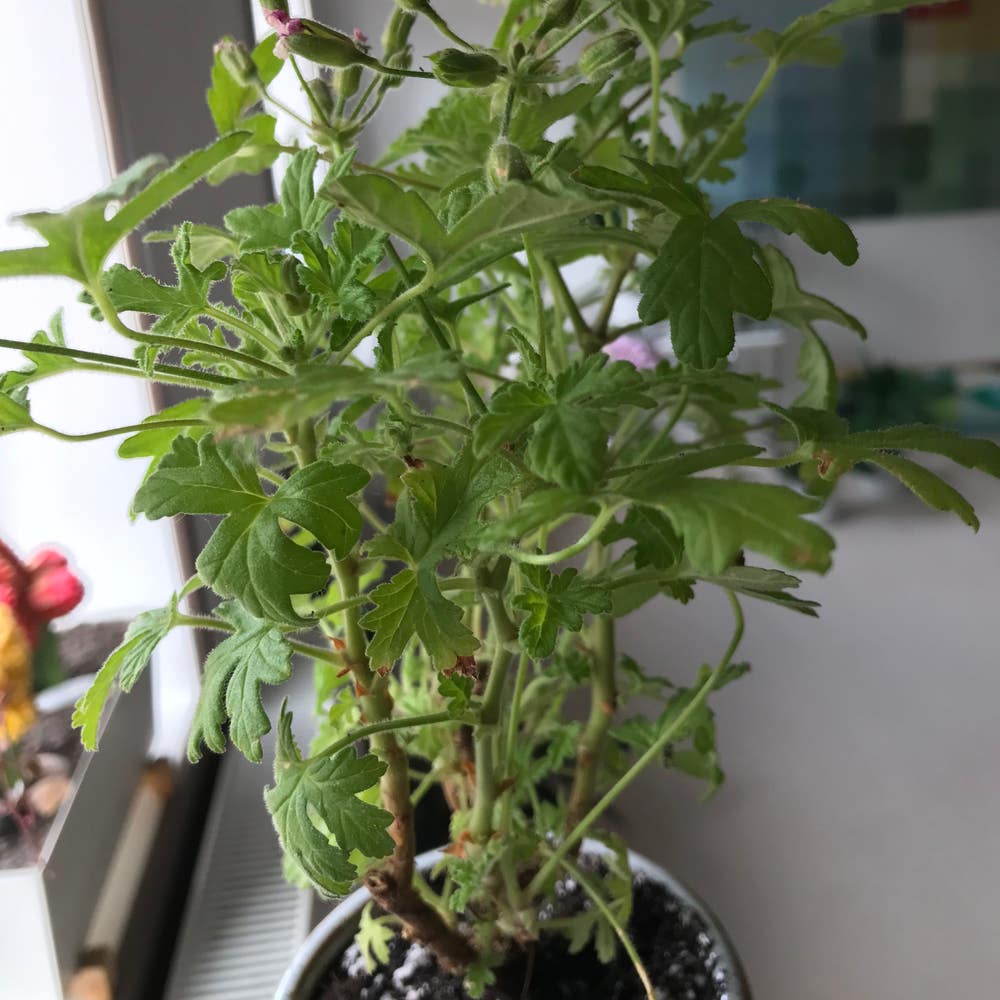
Tree Mallow is easily recognized by its tall, erect growth habit, often reaching heights of up to 1.5 meters (5 feet). Its large lobed leaves and striking showy purple flowers make it stand out in any landscape.
Typically, Tree Mallow blooms during the warmer months, adding vibrant color to its surroundings. The combination of its height and distinctive flowers makes it a notable presence in both gardens and wild areas.
Look-Alike Plants 👀
While Tree Mallow is unique, it can be confused with similar species, such as Common Mallow. Understanding the differences is crucial for accurate identification.
Key distinctions include leaf shape, where Tree Mallow features more pronounced lobes compared to the smoother leaves of Common Mallow. Additionally, Tree Mallow's flowers are usually a brighter purple, and its growth habit tends to be more upright, making it easier to differentiate between the two.
Recognizing these features can help prevent the spread of this invasive species and protect native ecosystems.
Growth Habits and Spread
Typical Growth Patterns 🌱
Tree Mallow exhibits a rapid growth cycle, particularly thriving in spring and summer. This plant adapts well to various soil types, making it a resilient presence in many environments.
Reproductive Strategies and Seed Dispersal Methods 🌬️
One of the most striking features of Tree Mallow is its prolific seed production, with each plant capable of producing up to 1,000 seeds. These seeds are dispersed through multiple mechanisms, including wind, water, and animal movement, facilitating its spread.
Environmental Conditions Favoring Spread ☀️
Tree Mallow flourishes in disturbed soils, where it can easily establish itself. It prefers full sun and moderate moisture, creating ideal conditions for its rapid proliferation.
Understanding these growth habits and spread mechanisms is crucial for effective management and control of Tree Mallow. As we delve deeper into its ecological impact, we can better appreciate the challenges it poses to native ecosystems.
Ecological Impact
🌱 Effects on Native Plant Communities
Tree Mallow competes aggressively with native flora, leading to a significant reduction in biodiversity. Its rapid growth and dense foliage can overshadow and outcompete local plants, altering the natural habitat structure and composition.
🦋 Impact on Wildlife
The presence of Tree Mallow changes food sources for native pollinators and herbivores. As it proliferates, it can displace native species, disrupting established ecological relationships and potentially leading to declines in local wildlife populations.
Understanding these impacts is crucial for appreciating the broader consequences of Tree Mallow's invasion. Next, we’ll explore the economic ramifications of this invasive species.
Economic Impact
Economic Losses Associated with Tree Mallow 💸
Tree Mallow's invasive nature brings significant economic burdens. Management and control efforts can be costly, often requiring extensive resources for removal and monitoring.
Property values can also take a hit. Land usability diminishes as infestations spread, making it harder for homeowners and developers to maintain their investments.
Agricultural Challenges 🚜
In agricultural areas, Tree Mallow poses serious challenges. It competes aggressively with crops, leading to reduced yields and increased management costs.
Farmers may find themselves battling this invasive species, diverting time and resources that could be better spent on productive activities. The economic ripple effect can impact local markets and food supply chains, making Tree Mallow a formidable foe in both ecology and economy.
As we explore the next section, we’ll delve into the control and management strategies that can help mitigate these economic impacts.
Control and Management
🌱 Manual Removal Techniques
Removing Tree Mallow manually can be effective if done correctly.
- Timing: Aim to remove the plant before it sets seeds.
- Tools: Equip yourself with gloves, spades, and hand trowels.
- Method: Ensure you pull out the entire root system to prevent regrowth.
🧪 Chemical Control Options
Herbicides can be a powerful tool against Tree Mallow.
Look for products specifically labeled for this invasive species. Always prioritize safety by wearing protective gear and following the manufacturer's instructions.
Consider the environmental impact of chemicals, especially near water sources or sensitive habitats.
🐞 Biological Control Methods
Exploring biological control agents can offer a sustainable solution.
Research is ongoing into specific insects that may target Tree Mallow without harming native species. Effectiveness varies, so stay updated on the latest findings.
🚫 Preventive Measures
Maintaining healthy native plant communities is crucial.
Encourage biodiversity to create a natural defense against invasives. Implement strategies to prevent seed dispersal, such as regular monitoring and removal of any emerging plants.
🔍 Importance of Early Detection
Early detection is key to managing Tree Mallow effectively.
Monitor your surroundings and report any new infestations promptly. Community involvement can amplify efforts, making it easier to tackle this invasive threat together.
By adopting these control and management strategies, we can mitigate the impact of Tree Mallow and protect our native ecosystems. Next, let’s delve into the legal status surrounding this invasive species and the regulations that govern its management.
Legal Status
Laws and Regulations 🌍
Understanding the legal framework surrounding invasive species is crucial for effective management. Local and national regulations often classify Tree Mallow as an invasive species, which means specific actions are required to control its spread.
Compliance with these regulations is essential for gardeners and land managers. Ignoring them can lead to fines and further environmental degradation.
Requirements for Removal 🧹
In areas where Tree Mallow is particularly problematic, specific guidelines dictate how to manage its removal. These often include recommendations for timing, methods, and tools to ensure effective control.
For instance, removing the plant before it sets seed is critical to preventing future infestations. Following these guidelines not only helps protect local ecosystems but also supports community efforts to maintain biodiversity.
As we move forward, understanding the ecological impact of Tree Mallow will further highlight the importance of these legal measures.
Potential Benefits
📜 Historical Uses
Tree Mallow has a rich history in herbal medicine. Traditionally, it has been used for its soothing properties, often found in remedies for respiratory issues and skin irritations.
Additionally, its leaves and flowers have served as a food source in various cultures. They can be consumed raw in salads or cooked, adding a unique flavor to dishes.
🌼 Current Beneficial Uses
In modern landscaping, Tree Mallow is sometimes appreciated for its vibrant purple flowers. This aesthetic appeal can enhance garden designs, especially in areas where other plants struggle to thrive.
However, its rapid growth can overshadow other plants, leading to a mixed reputation among gardeners. While it can beautify spaces, its invasive nature often complicates its use.
⚠️ Negative Impacts
Despite its historical and current benefits, Tree Mallow's invasive characteristics cannot be ignored. Its ability to outcompete native flora poses a significant threat to local ecosystems.
Ultimately, the potential benefits are often overshadowed by its ecological impact. This duality makes it crucial to weigh the pros and cons when considering Tree Mallow in any context.
As we explore the ecological impact next, it's essential to understand how this plant affects biodiversity and local wildlife.
⚠️ Safety First
This content is for general information and may contain errors, omissions, or outdated details. It is not medical, veterinary advice, or an endorsement of therapeutic claims.
Always consult a qualified healthcare professional before using any plant as food, medicine, or supplement.
Never eat any plant (or feed one to pets) without confirming its identity with at least two trusted sources.
If you suspect poisoning, call Poison Control (800) 222-1222, the Pet Poison Helpline (800) 213-6680, or your local emergency service immediately.
Spotted an error? Please report it here.
Stay informed about Tree Mallow's invasive traits to protect your garden's biodiversity 🌱, and let Greg help you identify and manage it effectively with our smart plant tools!