10 Benefits of Having a Tree Mallow
Malva arborea
By the Greg Editorial Team
Mar 02, 2024•6 min read
This article was created with the help of AI so we can cover more plants for you. May contain errors. See one? Report it here.
Embrace the Tree Mallow's charm 🌺—a low-maintenance, eco-hero that beautifies gardens year-round.
- 🌺 Vibrant blooms attract pollinators, making gardens a butterfly and hummingbird haven.
- 🌿 Medicinal and edible, Tree Mallow treats ailments and adds flavor to dishes.
- 💧 Drought-resistant and low-maintenance, perfect for laid-back gardeners.
A Splash of Color: Ornamental Beauty
🌺 Vibrant Blooms
Tree Mallow's vibrant blooms are the garden's showstoppers. From pink to purple, and red to orange, these flowers boast heart-shaped petals, often with darker veins, creating a visual feast. They begin their performance in early summer and, with diligent deadheading, take their final bow in fall.
🦋 Pollinator Paradise
Butterflies and hummingbirds can't resist the allure of Tree Mallow. Its large, nectar-rich flowers serve as a bustling hub for these creatures, turning your garden into a pollinator paradise. The presence of these pollinators not only benefits the ecosystem but also adds dynamic life to the garden tableau.
🎭 Continuous Show
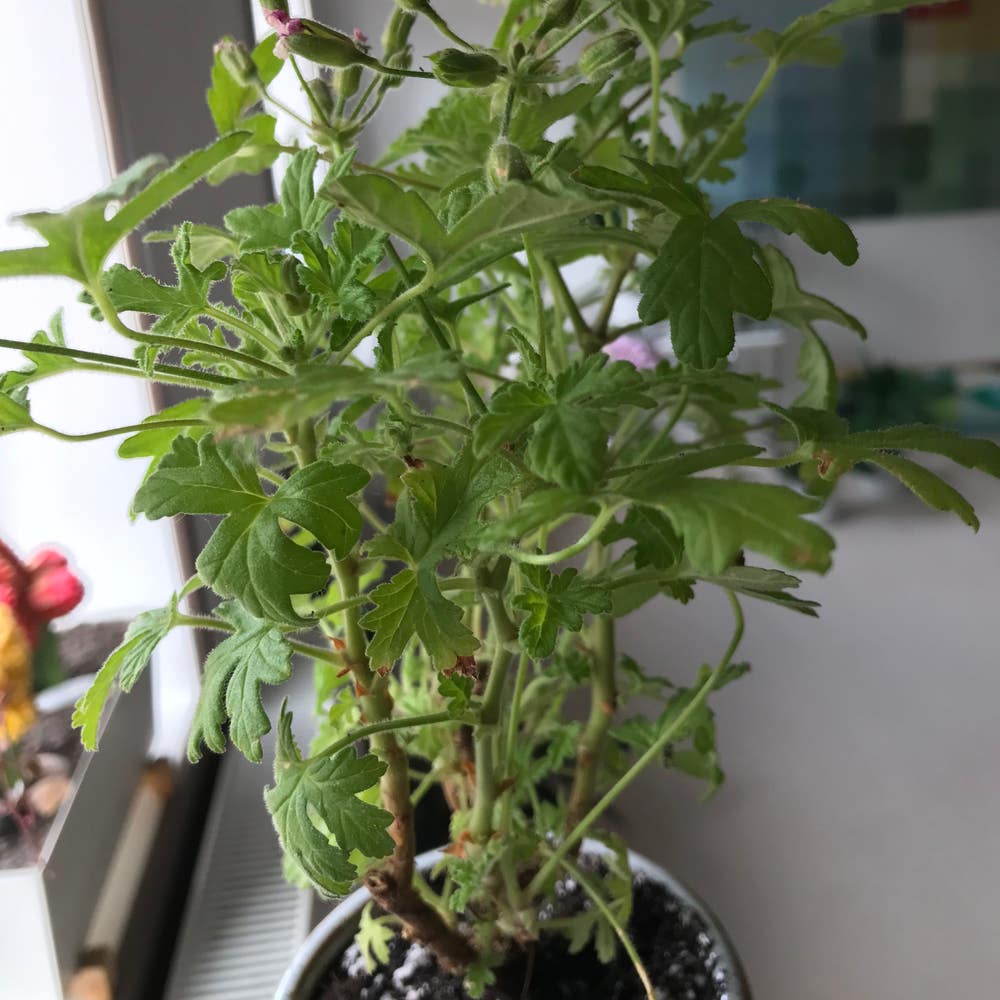
Tree Mallow is not a one-hit wonder. It provides a year-round spectacle with its textured, medium-green leaves that set the stage for other plants. The foliage remains robust, ensuring that even when the blooms take a break, the plant continues to contribute to the garden's overall aesthetic.
🌍 Ecological Impact
Beyond aesthetics, the Tree Mallow plays a crucial role in the ecosystem. It's not just about the eye-catching flowers; it's about the symbiotic relationships it fosters. This plant is a critical component of its habitat, supporting specialized species like the rose mallow bee and various butterflies and moths.
🌿 Easy Integration
Integrating Tree Mallow into your garden is a breeze. It shines in cottage gardens, borders, and as a ground cover. Plant it in large groups for a dramatic effect, or mix it with other sun-loving perennials for a tapestry of color and texture. It's a versatile performer that adapts to the garden's changing seasons and themes.
Nature's Healer: Medicinal and Culinary Uses
🌿 Soothing Skin and Breathing Easy
Tree Mallow isn't just a pretty face; it's a traditional healer. The leaves and flowers have been used for ages to treat respiratory infections and skin irritations. Think of it as nature's balm for when you're feeling under the weather or when your skin is throwing a fit.
🍽️ From Garden to Table
But wait, there's more – it's also an edible surprise. Those vibrant flowers and tender leaves can jazz up a salad or become part of a healing tea. Sure, it's no basil or oregano, but Tree Mallow holds its own in the kitchen with a subtle charm that's hard to resist.
🚫 A Note on Safety
Before you go making a Tree Mallow feast, remember: not all parts of the plant are edible, and proper identification is key. Always double-check with a reliable source because, let's be honest, a stomachache is not the kind of excitement you want from your garden adventures.
Tough Love: Resilience and Low Maintenance
🏜️ Surviving the Dry Spell: Drought Champion
The Tree Mallow is a drought champion, with an innate ability to withstand arid conditions. It's like a botanical camel, its thick leaves storing water to endure dry periods. No pampering needed here; this plant is all about the survival of the fittest.
🌱 The Laid-back Gardener's Dream
For those who prefer a low-maintenance garden, Tree Mallow is a dream come true. It thrives on neglect, growing more beautiful with what you might call a "hands-off" approach. Minimal fuss is the mantra for this resilient flora.
💧 Water Wisdom
Tree Mallow prefers its soil to dry out between waterings. This means less work for you and a happy plant that's not drowning in excess moisture. Overwatering? Not on Tree Mallow's watch.
🌿 Easygoing Growth
Whether it's facing sporadic watering or less-than-ideal soil, Tree Mallow stands tall. Its versatility is a testament to its tenacious nature, teaching us a lesson in garden adaptability.
🐜 Pest and Disease Resilience
Bid farewell to the relentless fight against pests and diseases. Tree Mallow is known for its robust health, reducing the need for chemical warfare in your garden sanctuary.
The Ground Beneath: Environmental and Soil Benefits
🌱 Combating Erosion with Tree Mallow
Tree Mallow's root system is a natural ally against soil erosion. Its roots bind the soil, providing a stable foundation that prevents the earth from being swept away by water or wind. This is particularly beneficial in areas prone to erosion, where Tree Mallow acts as a living soil stabilizer.
🌿 Air Purification
Beyond its soil benefits, Tree Mallow contributes to air purification. Like a green lung in your garden, it absorbs carbon dioxide and releases oxygen, improving air quality. Its leaves also trap dust and pollutants, which is a boon for those living in areas with higher levels of air contamination.
🌍 A Symbiotic Relationship
Tree Mallow's roots do more than just hold the earth together; they foster a symbiotic relationship with the surrounding ecosystem. Healthy root systems encourage biodiversity, supporting various soil organisms essential for a balanced environment.
🌱 Minimal Soil Disturbance
The perennial nature of Tree Mallow means less disturbance for the soil. Once established, it doesn't require frequent replanting, allowing the soil ecosystem to flourish undisturbed. This leads to healthier soil and a more vibrant garden.
🌳 A Breath of Fresh Air
In urban settings, Tree Mallow can transform concrete corners into green spaces, contributing to the biodiversity of the area. It's not just a plant; it's a player in the larger ecological game, enhancing environmental health one breath at a time.
More Than Just a Pretty Face: Symbolism and Seasonal Interest
🌳 A Symbol through the Ages
The Tree Mallow (Malva arborea) isn't just another pretty bloom; it's steeped in symbolism. Historically, it's been a plant of survival and resilience, a testament to its hardy nature. In gardens, it whispers tales of friendship and grace, much like its cousin, the Swamp Rose-Mallow. Its presence is a nod to a gardener's appreciation for natural complexity and an eye for beauty that goes beyond the superficial.
🌺 Year-round Spectacle
Seasonal interest in the garden isn't just a bonus; it's a necessity for the soul. Tree Mallow delivers, with a blooming period that stretches from the warmth of early summer to the coolness of fall. It's a living tableau, ensuring your garden remains a lively oasis when many others have succumbed to the quiet of the colder months. In winter, even when blooms are scarce, the plant's structure provides a stark beauty against the barren landscape.
⚠️ Safety First
This content is for general information and may contain errors, omissions, or outdated details. It is not medical, veterinary advice, or an endorsement of therapeutic claims.
Always consult a qualified healthcare professional before using any plant as food, medicine, or supplement.
Never eat any plant (or feed one to pets) without confirming its identity with at least two trusted sources.
If you suspect poisoning, call Poison Control (800) 222-1222, the Pet Poison Helpline (800) 213-6680, or your local emergency service immediately.
Spotted an error? Please report it here.
Enjoy the resilience 🌺 of Tree Mallow in your garden with minimal effort, as Greg's tailored watering reminders keep your blooms thriving and your pollinators buzzing.