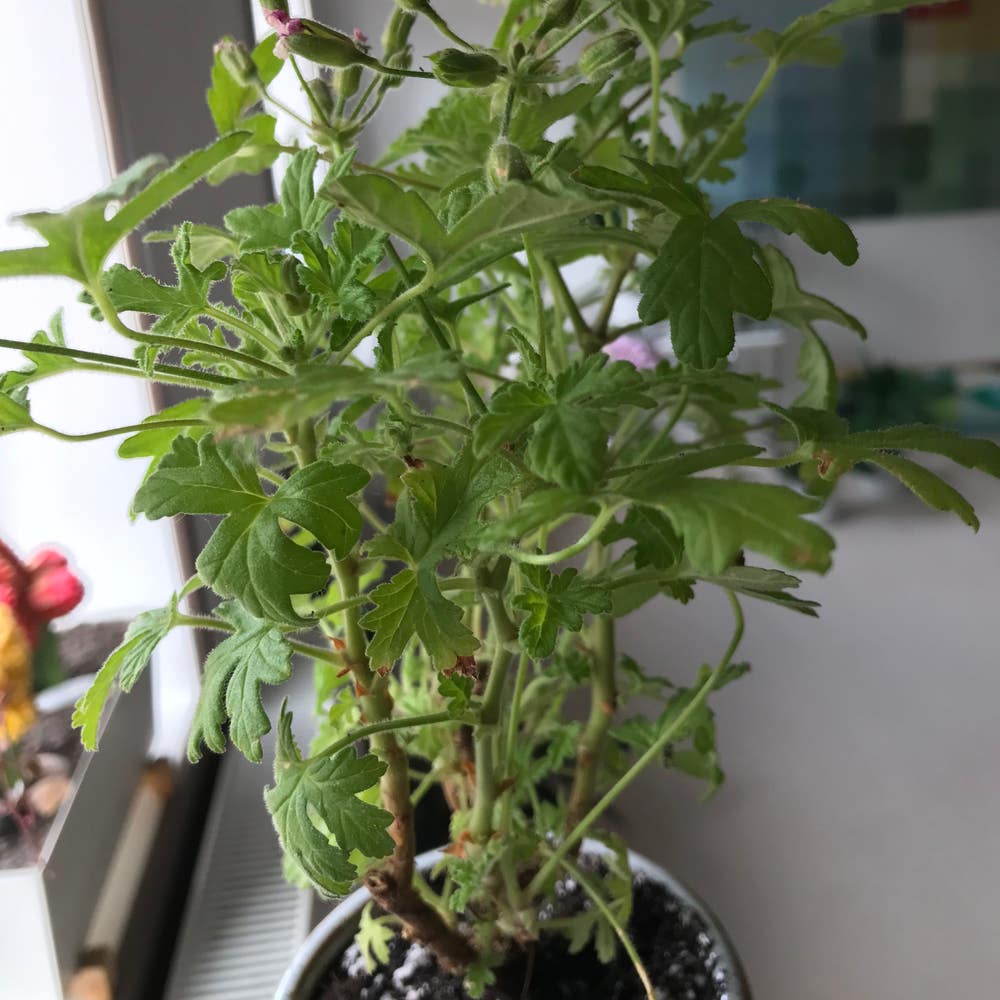
🌳 Tree Mallow Hardiness Zones: 7a-10b
Malva arborea
By the Greg Editorial Team
Oct 09, 2024•4 min read
This article was created with the help of AI so we can cover more plants for you. May contain errors. See one? Report it here.
Unlock the secrets to thriving Tree Mallow 🌱 by mastering its hardiness zones and ideal growing conditions!
- 🌳 Tree Mallow thrives in zones 7a-10b, tolerating temperatures from 0°F to 100°F.
- ☀️ Full sun is ideal, but it can handle partial shade for healthy growth.
- 💧 Drought-tolerant once established, Tree Mallow is a low-maintenance gardening choice.
Tree Mallow Hardiness Zones
🌍 Specific Hardiness Zones
Tree Mallow thrives in USDA hardiness zones 7a to 10b. These zones provide the ideal climate for this resilient plant, ensuring it can flourish in a variety of conditions.
The USDA hardiness zone map is a valuable tool for gardeners. It categorizes regions based on their average annual minimum temperatures, helping you determine where Tree Mallow can grow successfully.
❄️ Temperature Tolerance
Tree Mallow exhibits impressive cold tolerance, withstanding minimum temperatures down to 0°F (-18°C) in zones 7a. This resilience allows it to survive the chill of winter while preparing for a vibrant spring.
On the flip side, Tree Mallow also shows remarkable heat tolerance. It can thrive in maximum temperatures up to 100°F (38°C), although extreme heat can impact its growth and flowering.
🌱 Factors Affecting Hardiness
Several factors influence the hardiness of Tree Mallow. Soil type and drainage are crucial; well-draining soil prevents root rot and promotes healthy growth.
Sunlight exposure is another key element. Tree Mallow prefers full sun but can tolerate partial shade, making it versatile for various garden settings.
Drought tolerance plays a significant role as well. Once established, Tree Mallow can withstand dry spells, making it a low-maintenance choice for gardeners.
Understanding these factors will help you create the perfect environment for your Tree Mallow, ensuring it thrives in your garden. Next, we’ll explore the ideal growing regions for this remarkable plant.
Ideal Growing Regions
🌎 Suitable US States
Tree Mallow thrives in specific regions of the United States, particularly in hardiness zones 7a to 10b.
- California: Both coastal and inland areas provide the ideal environment for this plant, benefiting from a Mediterranean climate.
- Texas: The southern and central parts of Texas offer warm temperatures that support Tree Mallow's growth.
- Florida: Coastal regions with mild winters create a perfect habitat for this resilient plant.
🌱 Characteristics of Ideal Conditions
To flourish, Tree Mallow requires certain environmental conditions.
- Warm, Mediterranean-like climates: These climates provide the warmth and moisture that Tree Mallow loves.
- Well-draining soil types: Good drainage is crucial to prevent root rot and promote healthy growth.
- Sufficient sunlight exposure: Ideally, Tree Mallow should receive full sun to partial shade for optimal development.
Understanding these ideal growing regions and conditions can significantly enhance your gardening success with Tree Mallow. With the right environment, you can enjoy the beauty and resilience of this remarkable plant.
Microclimates and Their Impact
🌍 Significance of Microclimates
Microclimates are localized climate conditions that differ from the surrounding area. They play a crucial role in gardening, especially for plants like Tree Mallow, as they can create unique growing environments.
Understanding microclimates helps gardeners optimize plant health. For instance, a sunny patio may support growth better than a shaded backyard, even if both are in the same hardiness zone.
🌡️ Extending Growing Range
Sheltered areas, such as those near buildings or fences, can significantly enhance growing conditions. These spots often retain heat, providing a warmer environment for Tree Mallow.
Urban microclimates also offer unique advantages. Cities can create heat islands, where temperatures are higher than in rural areas, allowing for extended growing seasons and more robust plant growth.
By recognizing and utilizing these microclimates, gardeners can effectively expand the range of plants they cultivate. This knowledge empowers you to make the most of your gardening space, ensuring your Tree Mallow thrives.
As we explore the ideal growing regions next, consider how these microclimates might influence your choices in selecting the best locations for your plants.
State-Level Suitability
🌳 States in Hardiness Zones 7a-10b
Tree Mallow thrives in several states that fall within hardiness zones 7a to 10b. Notable states include:
- California: Particularly in coastal and inland regions, where the climate is warm and inviting.
- Texas: Southern and central areas provide the ideal conditions for growth.
- Florida: Coastal regions benefit from mild winters, making them perfect for Tree Mallow.
- Louisiana: The warm, humid climate supports healthy growth.
These regions offer the right balance of temperature and moisture, essential for the plant's success.
🚫 Unsuitable States and Reasons
Not all states are suitable for growing Tree Mallow. Northern states like Minnesota and North Dakota experience prolonged freezing temperatures, which can be detrimental to the plant.
Additionally, high-altitude regions such as Colorado face short growing seasons and increased frost risk, making them less than ideal for this species.
🌍 Environmental Factors Affecting Suitability
Several environmental factors play a crucial role in determining the suitability of a region for Tree Mallow.
- Elevation and Latitude: Higher elevations and northern latitudes typically result in cooler temperatures, which can limit growth.
- Local Weather Patterns: Variations in rainfall and temperature can significantly influence hardiness zone classifications.
Understanding these factors can help gardeners select the best locations for their Tree Mallow plants, ensuring a thriving garden.
As we explore the ideal growing regions next, consider how these factors might shape your gardening choices.
⚠️ Safety First
This content is for general information and may contain errors, omissions, or outdated details. It is not medical, veterinary advice, or an endorsement of therapeutic claims.
Always consult a qualified healthcare professional before using any plant as food, medicine, or supplement.
Never eat any plant (or feed one to pets) without confirming its identity with at least two trusted sources.
If you suspect poisoning, call Poison Control (800) 222-1222, the Pet Poison Helpline (800) 213-6680, or your local emergency service immediately.
Spotted an error? Please report it here.
Cultivate a thriving Tree Mallow garden 🌼 with Greg's tailored care tips, ensuring your plants flourish in their perfect climate!