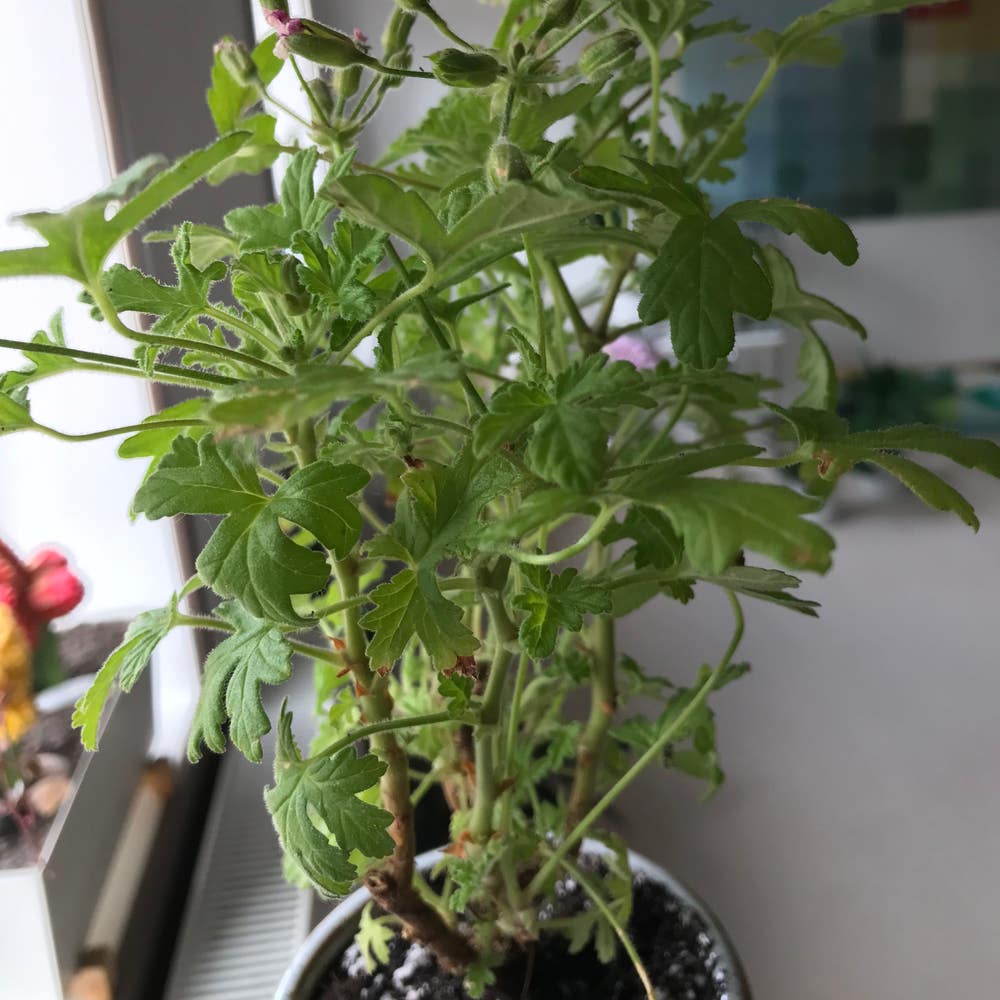
Why Are My Tree Mallow Leaves Falling Over?
Malva arborea
By the Greg Editorial Team
Mar 02, 2024•5 min read
This article was created with the help of AI so we can cover more plants for you. May contain errors. See one? Report it here.
Rescue your Tree Mallow's elegance from the dreaded droop with expert care secrets 🌿✨.
- Windbreaks and moisture protect Tree Mallow from weather and drought stress.
- Combat pests and diseases with natural predators, neem oil, and proper airflow.
- Balance care with correct watering, lighting, and pruning for healthy growth.
When Nature Strikes: Environmental Culprits
🌬️ Battling the Breeze and the Blaze
Tree Mallow leaves are no fans of extreme weather. Wind can whip them into submission, and intense sun can scorch their spirits. To combat these foes, windbreaks are your first line of defense. Position trees or structures to create a sanctuary of dappled light, sparing your Tree Mallow from the harshest rays.
🏜️ Thirsty Roots: Drought Stress and Droop
Recognizing drought stress is key to a perky Tree Mallow. Telltale signs include wilting leaves begging for a drink. To keep the roots happy and hydrated, ensure the soil is consistently moist but not waterlogged. If you're unsure, a moisture meter can be your secret weapon, taking the guesswork out of watering. Remember, your goal is to mimic a refreshing sip, not a flood.
Unwanted Guests: Pests and Their Telltale Signs
🐞 Aphids and Spider Mites: Tiny Leaf Tyrants
Aphids are sap-sucking freeloaders that come in various colors and can be winged or wingless. They're notorious for clustering around new growth and leaving a sticky mess called honeydew.
To combat aphids, introduce natural predators like ladybugs, or apply insecticidal soap or neem oil to affected areas. Regular inspections are crucial—turn those leaves over and evict any aphid squatters you find.
Spider mites are nearly invisible but betray themselves with fine webbing on the undersides of leaves. These pests can cause leaves to curl and yellow.
Shake down your Tree Mallow over white paper to spot these tiny pests. If confirmed, increase humidity to disrupt their comfort zone and apply miticides or neem oil with a vengeance.
🐌 Larger Pests: When Bigger Bugs Cause Trouble
Larger pests like snails and slugs are less ninja, more bulldozer. They leave obvious holes in leaves and a slimy trail of evidence.
To protect your Tree Mallow, set up barriers or traps, and consider organic bait. Keep the area around your plants clean to discourage these slimy intruders.
Birds and rodents can also wreak havoc. They may not be after your plant directly but can cause damage while searching for other pests to eat. Use netting or fencing to keep these larger critters at bay without harming them.
Remember, the best defense is a good offense: keep your Tree Mallow healthy and robust to resist pest invasions, and always be ready to take swift action at the first sign of trouble.
Fungal Foes and Other Diseases
🍄 The Mildew Menace
Powdery mildew and its fungal cousins are the party crashers of the plant world. They show up uninvited, bringing with them a powdery or fuzzy blight that can blanket your Tree Mallow's leaves. Signs to watch for include a white or grayish coating that can make leaves look like they've been dusted with flour.
Combat these uninvited guests by reducing humidity and promoting good airflow around your plants. If they've already made themselves at home, consider fungicides. Options range from organic choices like neem oil to chemical warriors like chlorothalonil. Remember, though, fungicides are the big guns—use them as a last resort.
🌱 Root Rot: The Silent Leaf Killer
Poor drainage is the silent assassin of Tree Mallow roots, leading to the dreaded root rot. This condition is sneaky, often only revealing itself when leaves begin to droop or discolor. The soil's too wet, and your plant's roots are gasping for air.
To fight back, adjust your watering habits. Ensure the soil is well-draining; consider adding perlite or sand to heavy soils. Remember, your Tree Mallow doesn't need a daily drink—let the soil dry out a bit between waterings. It's a delicate dance, but getting it right can mean the difference between thriving and diving.
Care Missteps: Are You Overloving Your Tree Mallow?
💧 Water Woes: Finding the Balance
Tree Mallow's dislike for soggy feet is real. Overwatering is a common misstep that leads to wilted leaves and yellowing stems. It's a silent scream for less water and better drainage. Underwatering, on the flip side, can leave your plant thirsting for more, resulting in droopy, lifeless leaves.
To strike the right moisture balance, let the topsoil dry out before watering again. Consider a moisture meter for a more scientific approach, or trust the old finger test—dry a couple of inches down means it's time to water.
🌞 Light and Space: Giving Your Plant What It Needs
Sunlight is Tree Mallow's best friend, but like all friendships, it needs boundaries. Too much sun can scorch leaves, while too little can stunt growth. Aim for a sweet spot of bright, indirect light to keep your plant happy.
Spacing is another key factor. Overcrowding can stifle growth and invite pests. Ensure your Tree Mallow has room to breathe and flourish. Regular pruning encourages healthy growth and prevents your plant from becoming a leafy leviathan. Remember, a well-groomed Tree Mallow is a thriving Tree Mallow.
Reviving and Thriving: Turning the Leaf on Droopiness
🚑 Immediate Rescue Tactics
Step-by-Step Guide to Upright Leaves
- Inspect your Tree Mallow for pests; aphids and spider mites are the usual suspects.
- If pests are present, blast them off with water or apply insecticidal soap.
- Prune any damaged or diseased leaves to prevent further spread and encourage new growth.
- Adjust watering practices—deep watering ensures moisture reaches the roots without waterlogging.
- Shield your plant from direct sunlight; bright, indirect light is ideal.
- Repot if necessary, choosing a pot with good drainage and fresh soil to give roots room to breathe.
🌿 Long-Term Care Strategies
Ensuring Lasting Health and Vitality
- Monitor your Tree Mallow regularly for early signs of distress, like yellowing leaves.
- Fine-tune watering habits; consistency is key to avoiding the perils of over or under-watering.
- Promote airflow with strategic pruning; think social distancing for branches.
- Manage nutrients by providing the right fertilizers in the correct amounts.
- Adapt care as your Tree Mallow grows; maturity may change its needs.
- Cultivate an ideal environment, considering light, space, and humidity for your plant to thrive.
Remember, reviving your Tree Mallow is not just about quick fixes; it's about setting the stage for sustained health and beauty.
⚠️ Safety First
This content is for general information and may contain errors, omissions, or outdated details. It is not medical, veterinary advice, or an endorsement of therapeutic claims.
Always consult a qualified healthcare professional before using any plant as food, medicine, or supplement.
Never eat any plant (or feed one to pets) without confirming its identity with at least two trusted sources.
If you suspect poisoning, call Poison Control (800) 222-1222, the Pet Poison Helpline (800) 213-6680, or your local emergency service immediately.
Spotted an error? Please report it here.
Ensure your Tree Mallow stands tall against pests and weather woes by using Greg for customized care alerts 🌱 and community advice on tackling droopy leaves.