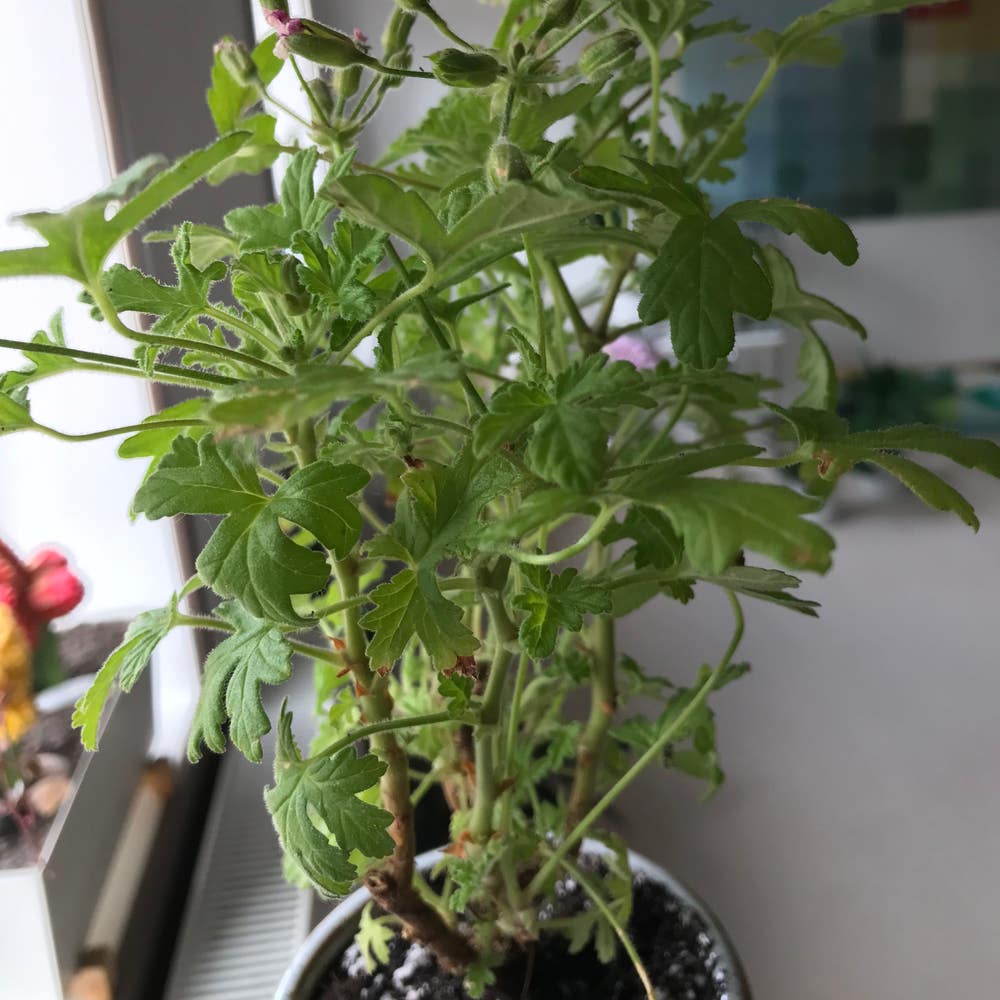
Why Are My Tree Mallow Leaves Droopy? 🥀
Malva arborea
By the Greg Editorial Team
Mar 02, 2024•6 min read
This article was created with the help of AI so we can cover more plants for you. May contain errors. See one? Report it here.
Revitalize droopy Tree Mallow leaves 🍃 and avert future plant distress with key care insights!
- Droopy leaves signal distress; watch for pale color and spots.
- Balance water and light to prevent over/underwatering and sun damage.
- Consistent temperature and wind protection are key to preventing droop.
Spotting the Signs of Droopiness
Tree Mallow leaves in distress don't just droop; they broadcast their unhappiness. Visual cues are your first hint. A droopy leaf hangs with a lackluster slouch, a far cry from its usual perky stance. If your Tree Mallow's leaves are more limp than a wet noodle, it's time to perk up and take notice.
🚨 Recognizing Stress Signals
Beyond the unmistakable sag, there are covert signs of a plant crying out for help. Leaves that have paled in color or developed unsightly spots are sending an SOS. Look out for leaves curling inward like they're trying to roll themselves up and hide.
👀 The Importance of Vigilance
Regular plant check-ups are non-negotiable. Catching the early signs of droopiness can head off a full-blown botanical breakdown. Keep an eye out for leaves that feel mushy or exhibit a translucent look—classic overwatering giveaways. Conversely, leaves that are dry and crispy to the touch scream dehydration.
🚨 Beyond the Droop: Other Symptoms to Watch For
Droopiness rarely rides solo. It often brings along a posse of symptoms like brown spots, yellow halos, or a general look of defeat. And let's not forget pests—they're like unwanted party crashers leaving behind damage or droppings. If you spot any of these, it's time to dive into detective mode and get to the root of the problem.
The Thirst Quench Conundrum: Watering Woes
💧 Too Much of a Good Thing: The Soggy Truth About Overwatering
Overzealous watering can turn your Tree Mallow's home into a swamp. Root rot sets in when roots are more soaked than a sponge in a rainstorm. The soil should feel moist, not like it's hosting an underwater party. If the leaves start to yellow and the soil feels like a wet, spongy mess, you've gone overboard with the H2O.
💦 When Dryness Leads to Droop: The Underwatering Paradox
On the flip side, underwatering can leave your Tree Mallow as parched as a desert. Leaves droop, begging for a drink, and the soil becomes as dry as a bone. The wilt point is your cue; it's when the plant's leaves lose their vigor due to lack of moisture. Before reaching for the watering can, check if the top inch of soil is dry—that's your green light to water.
🕳️ Root Rot: The Underground Culprit
Root rot is the silent assassin of the plant world. It creeps in when excess water makes the soil anaerobic, killing roots and turning them into a mushy graveyard. If your plant's base feels like overcooked pasta, it's time to intervene. Cut away the blackened roots and repot with fresh, well-draining soil.
🚿 The Wilt Point: Recognizing When Your Tree Mallow is Thirsty
It's not just about watering; it's about watering right. A deep, thorough soak encourages the roots to grow downwards, seeking moisture and stability. Create a consistent schedule that caters to your plant's needs, adjusting for seasonal changes. Your Tree Mallow isn't just another item on your to-do list; it's a living being that thrives with the right rhythm of care.
Battling the Elements: Environmental Effects
🌞 Sunlight and Shadows: Finding the Light Balance for Your Tree Mallow
Tree Mallows thrive in bright, indirect light. Too much sun can bleach their leaves, while too little leaves them craving more. Adjust their position to avoid the midday scorch, but ensure they still bask in a generous amount of light. Consider using sheer curtains to soften intense rays without casting your plant into gloom.
🌡 Temperature Tantrums: Keeping Your Tree Mallow Comfy in Changing Climates
Temperature consistency is key. Avoid drastic swings that can leave your Tree Mallow leaves drooping. Steer clear of placing your plant near heat sources or chilly drafts. Aim for a stable, comfortable temperature range, and be vigilant as seasons change, adapting your care to maintain a steady climate.
💨 Wind Whispers and Shouts: Protecting Your Plant from the Gusty Gripes
Wind can be a silent leaf killer. Implement windbreaks if your Tree Mallow is outdoors to shield it from harsh gusts. Indoors, ensure good airflow to prevent stagnant, humid conditions that invite fungal issues. A gentle fan or cracked window can work wonders, but avoid creating a wind tunnel that could stress your plant.
Remember, your Tree Mallow isn't asking for a spa day—just a fighting chance against nature's whims. By monitoring and adjusting these environmental factors, you're not just a plant owner—you're a leafy lifeguard.
Reviving Your Tree Mallow: Immediate Interventions
💧 Watering Wisdom: Fine-tuning Your Tree Mallow's Hydration Habits
Overwatering is the silent killer of many a Tree Mallow. If your plant's leaves are droopy and the soil feels like a wet sponge, it's time to ease up on the aqua. Cut back your watering schedule and consider the soil's drainage capabilities. If it's more bog than bed, repot with a well-draining mix.
For the underwatered Mallow, it's a straightforward fix: water more, but don't go from desert to deluge overnight. Increase watering incrementally and watch for the leaves to perk up. Remember, consistency is key—your plant craves routine, not surprises.
🌿 Creating a Cozy Corner: Adjusting Your Tree Mallow's Environment
Your Tree Mallow isn't just picky about water; it's also a bit of a Goldilocks when it comes to its spot in your home. Too much light and it's a leaf-frying fiesta; too little and it's a droop-fest. Find that just-right spot where the light is bright but indirect.
Temperature swings are a no-go. Keep your plant away from drafty windows and heat sources. It's not about coddling; it's about providing a stable environment. And if the wind is howling like a banshee, protect your Mallow. It's not built for a tornado touch-down.
Remember, these interventions are not just quick fixes but steps towards a long-term thriving relationship with your Tree Mallow. Keep an eye out, adjust as needed, and your plant will thank you with perky, vibrant leaves.
Future-Proofing Foliage: Prevention Practices
💧 The Perfect Potting Mix: Soil and Drainage for Happy Leaves
Drainage holes are non-negotiable. They're the escape route for excess water, preventing your Tree Mallow's roots from drowning in moisture. Aim for a potting mix that's less clingy than overcooked pasta—something that allows water to flow through while still holding onto the nutrients your plant craves. Mix in perlite, coarse sand, or even a bit of vermiculite to keep the soil's texture as light and airy as a well-risen soufflé.
👀 Vigilant Vegetation: Keeping an Eye Out for Early Droop Signals
Stay on the lookout like a hawk for any signs of droopiness. Early detection is key—think of it as catching a cold before it turns into pneumonia. Regularly check the soil's moisture with a simple finger test; if it's wet beyond the top inch, hold off on watering. Pests are party crashers; evict them quickly to prevent them from making your Tree Mallow their new home. And remember, a cozy environment for your Tree Mallow is like a well-tailored suit—it just fits. Adjust your care routine with the seasons to avoid giving your plant a weather-induced identity crisis.
⚠️ Safety First
This content is for general information and may contain errors, omissions, or outdated details. It is not medical, veterinary advice, or an endorsement of therapeutic claims.
Always consult a qualified healthcare professional before using any plant as food, medicine, or supplement.
Never eat any plant (or feed one to pets) without confirming its identity with at least two trusted sources.
If you suspect poisoning, call Poison Control (800) 222-1222, the Pet Poison Helpline (800) 213-6680, or your local emergency service immediately.
Spotted an error? Please report it here.
Ensure your Tree Mallow stays perky and healthy 🌿 with Greg's personalized care plans that cater to its unique needs, preventing droopiness before it starts.