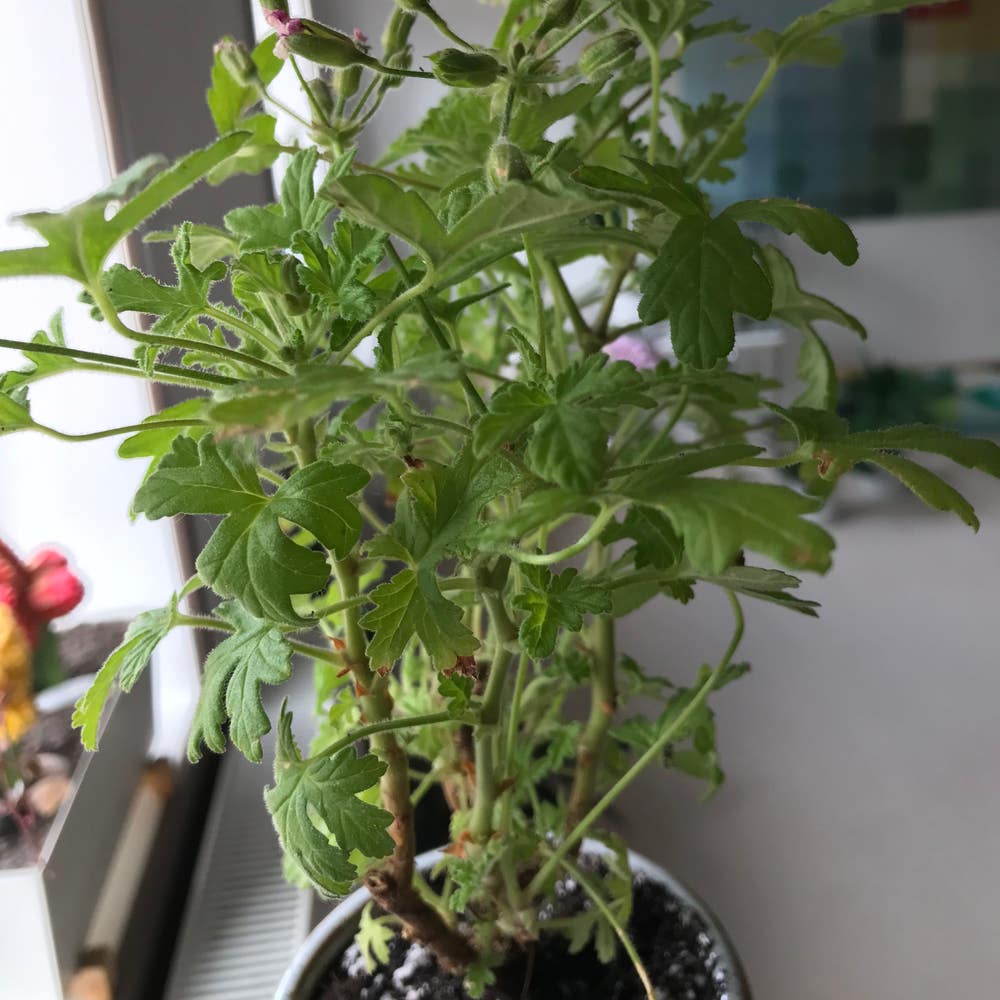
How Much Humidity Does My Tree Mallow Need?
Malva arborea
By the Greg Editorial Team
Mar 02, 2024•3 min read
This article was created with the help of AI so we can cover more plants for you. May contain errors. See one? Report it here.
Unlock lush growth for your Tree Mallow with the ultimate humidity guide. 🌿🔍
- Crispy or yellow leaves? Check your Tree Mallow's humidity levels.
- 🌱 Ideal humidity: 40%-60% for Tree Mallow health.
- Boost or balance moisture with DIY methods or a humidifier.
Spotting the Signs: Tree Mallow Tells You About Humidity
🏜️ When It's Too Dry
Crispy leaf tips on your Tree Mallow are a red flag; they're crying out for more moisture in the air. If you notice the leaves or flowers drying up, it's a clear sign that your plant's environment is too arid.
🚰 When It's Too Moist
Yellow leaves and a musty smell are your Tree Mallow's way of saying it's too damp. Soft, mushy stems or the presence of mold are urgent signals of excessive humidity. These symptoms demand immediate attention to prevent further damage.
Dialing in the Perfect Humidity for Your Tree Mallow
🌿 The Sweet Spot
Tree Mallows don't just enjoy a bit of humidity; they flourish in it. The ideal relative humidity (RH) for these leafy lovelies is 40%-60%. Within this range, your Tree Mallow is likely to show off its lush foliage and vibrant blooms. Dip below or soar above, and you're asking for trouble—think crispy leaves or a mold fiesta.
🌍 Local Humidity and Your Plant
Assessing your local humidity might seem like a chore, but it's simpler than you think. Grab a hygrometer, your new best friend, and avoid placing it where the sun beats down or drafts sneak in. Adapting to your local humidity involves a bit of detective work—compare indoor readings with what's happening outside. If your indoor air is Sahara-like, it's time to up your game. Conversely, if you're living in a swamp, it's time to dial it down. Keep an eye on those numbers; your Tree Mallow's perky leaves will thank you.
Humidity Hacks: Boosting Moisture for Tree Mallow Bliss
💦 DIY Humidity Boosters
Creating a humid haven for your Tree Mallow doesn't have to be a chore. Pebble trays are a classic move—just water, stones, and a tray. Place your plant atop and let evaporation work its magic. Misting is another trick; think of it as a quick humidity kiss, but don't overdo it—too much can lead to a soggy mess.
🌬️ Tech to the Rescue
When pebble trays and misting can't keep up, it's time to call in the cavalry—a humidifier. This gadget is your personal climate controller, offering a steady mist that keeps your Tree Mallow thriving. Choose one that fits your space and watch your green friend flourish in its artificial rainforest.
Keeping It Cool: When Your Tree Mallow's Too Damp
💨 Airflow is Your Friend
A stagnant environment is the Tree Mallow's nemesis. To prevent your plant from feeling like it's living in a wet sock, ventilation is crucial. Open a window or employ a fan to circulate air gently around the plant. This isn't about creating a windstorm; it's about mimicking the subtle dance of leaves in a light breeze.
🎭 The Balancing Act
Watering your Tree Mallow isn't about following a strict schedule—it's about observing and responding to the plant's environment. If the air feels like a sauna, hold back on the H2O. Let the soil dry out a bit more between waterings. It's a bit like a tightrope walk—balance is everything. Too much water, and you're setting up a fungal fiesta. Too little, and you're in tumbleweed territory. Keep the soil moist, but not waterlogged, to maintain the perfect humidity balance for your Tree Mallow.
⚠️ Safety First
This content is for general information and may contain errors, omissions, or outdated details. It is not medical, veterinary advice, or an endorsement of therapeutic claims.
Always consult a qualified healthcare professional before using any plant as food, medicine, or supplement.
Never eat any plant (or feed one to pets) without confirming its identity with at least two trusted sources.
If you suspect poisoning, call Poison Control (800) 222-1222, the Pet Poison Helpline (800) 213-6680, or your local emergency service immediately.
Spotted an error? Please report it here.
Keep your Tree Mallow's leaves perfectly hydrated 💧 with Greg's personalized care reminders, ensuring the ideal humidity for your green companion.