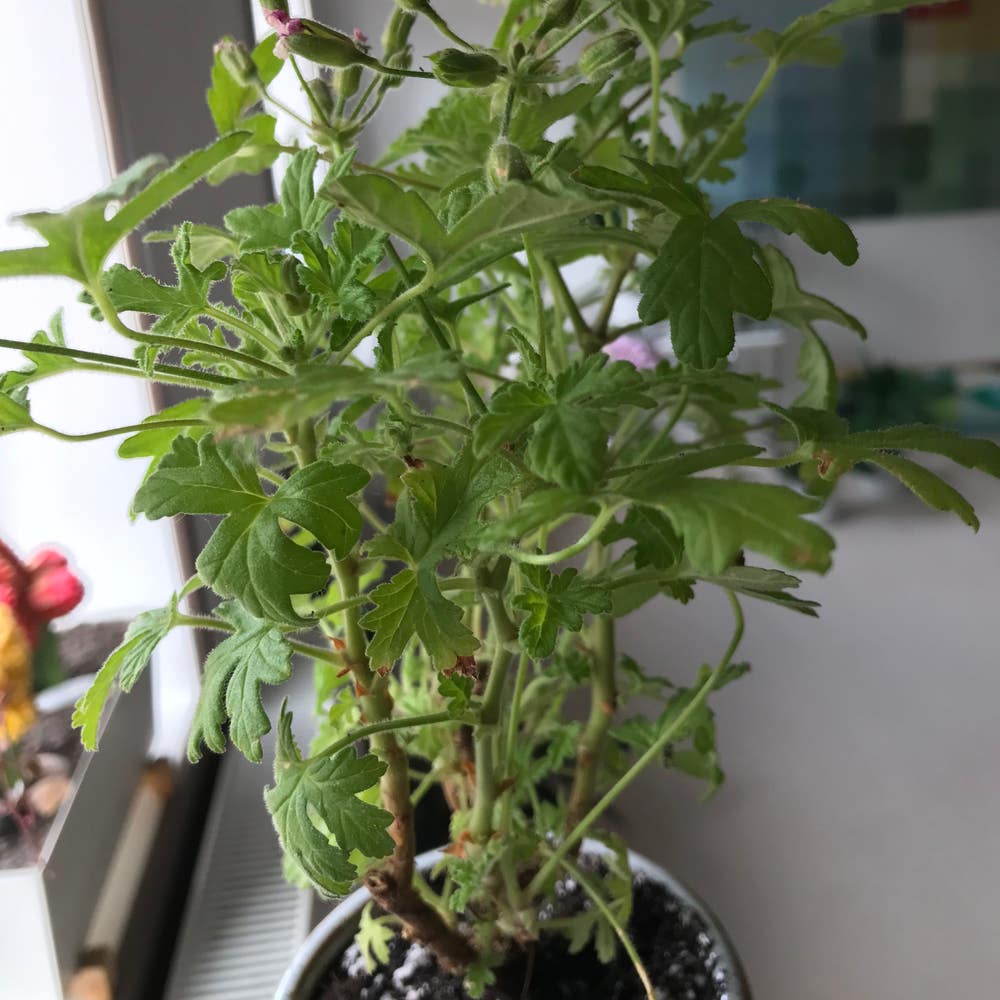
How to Know When to Repot a Tree Mallow?
Malva arborea
By the Greg Editorial Team
Mar 02, 2024•4 min read
This article was created with the help of AI so we can cover more plants for you. May contain errors. See one? Report it here.
Ensure your Tree Mallow's growth and happiness with this essential repotting guide. 🌿🏡
- Choose a 2-inch larger pot to prevent waterlogging and promote growth.
- Terracotta for moisture control, but watch for quick drying; plastic is cost-effective.
- Water before repotting and monitor for distress post-move for best results.
Choosing the Right Pot
When it comes to repotting your Tree Mallow, size and material are non-negotiables.
📏 Size Matters: Finding the Perfect Fit for Your Tree Mallow
The right pot size is a balancing act. Too small, and you'll stunt your plant's growth; too large, and you risk waterlogging. The Goldilocks zone? A pot that's about 2 inches larger in diameter than the current one. This gives your Tree Mallow room to grow without drowning in excess soil.
🏺 Material World: Pros and Cons of Terracotta, Plastic, and Fabric Homes
Each material has its own set of rules, and your Tree Mallow's health is at stake.
🏺 Terracotta: The Breathable Choice for Moisture Lovers
Terracotta's porous nature makes it a champion for air circulation and moisture control. It's the gym buff of pots, heavy and solid, but prone to chipping. In the heat, it can dry out quickly, so keep your watering can handy.
🥤 Plastic: Lightweight and Cost-Effective but Watch Out for Waterlogging
Plastic pots are the convenience store of the pot world: cheap, light, and everywhere. They're great if you occasionally forget to water, but be vigilant; they can turn into a swamp with overzealous watering. Make sure they have drainage holes.
🎽 Fabric: The Modern Twist for Root Health, with a Catch
Fabric pots are the trendy newcomers, offering excellent aeration and promoting healthy root growth. They're light and easy to shuffle around, but they'll have you watering more often than a gossip spills secrets. Plus, they may not win any beauty contests.
Remember, your Tree Mallow doesn't care about aesthetics; it's all about the right fit and function. Choose wisely, or you'll be repotting again sooner than you'd like.
The Repotting Rundown
Before you dive into the repotting process, ensure your Tree Mallow is primed for the transition. Water the plant a day prior—think of it as a pre-game hydration for the roots. Gather your tools: a new pot, fresh potting mix, and a trusty trowel.
🌱 Step-by-Step Guide to Repotting
🚿 Out with the Old
- Water your Tree Mallow to make the soil cooperative. This will ease the plant's exit strategy.
- Tilt the pot and coax the plant out with a combination of gentle tugs and strategic taps. If it resists, a knife can negotiate the release by running it around the pot's interior.
🌿 In with the New
- Choose a pot that's a size up from the old one—room to grow is key.
- Layer the bottom with fresh potting mix. It's like laying out a welcome mat for the roots.
- Position your Tree Mallow in the center, then surround it with soil. Firm enough for support, but don't suffocate the roots.
- Water to settle the soil, ensuring there's no pooling. It's like tucking your plant in with a lullaby, minus the singing.
- Place the Tree Mallow in a spot where it can bask in the glory of indirect sunlight. Now, watch for the magic of new growth.
Aftercare: The First Few Weeks
Helping your Tree Mallow settle in requires a delicate balance of light, water, and tender loving care. In the initial weeks post-repotting, your plant is acclimating to its new environment, a process that should be monitored with a nurturing but watchful eye.
⚡️ Light and Water: The Essentials
Keep your Tree Mallow in indirect light; direct sunlight can be too harsh for a plant that's just getting used to new surroundings. Water management is crucial; aim to keep the soil consistently moist but not waterlogged. Overwatering can lead to root rot, a surefire way to send your plant into a downward spiral.
👀 Monitoring for Stress
Stay vigilant for signs of distress such as yellowing leaves or a wilted appearance. These are your Tree Mallow's way of waving a red flag. If you notice such symptoms, it's time to reassess your care routine. Perhaps your plant needs more light, less water, or just a bit of encouragement.
🌱 Encouraging New Growth
Patience is a virtue when waiting for new shoots to appear. It's tempting to shower your Tree Mallow with fertilizer and extra attention, but hold off on the nutrients for now. Your plant needs time to bounce back naturally. New growth is a high-five from your Tree Mallow, signaling that your aftercare is on point.
⚖️ The Balancing Act
Remember, the goal is to create a stable environment for your Tree Mallow to thrive. Consistency in care is key, but be ready to pivot if your plant throws a curveball. It's not about coddling your Tree Mallow, but about providing the support it needs to grow strong and healthy.
⚠️ Safety First
This content is for general information and may contain errors, omissions, or outdated details. It is not medical, veterinary advice, or an endorsement of therapeutic claims.
Always consult a qualified healthcare professional before using any plant as food, medicine, or supplement.
Never eat any plant (or feed one to pets) without confirming its identity with at least two trusted sources.
If you suspect poisoning, call Poison Control (800) 222-1222, the Pet Poison Helpline (800) 213-6680, or your local emergency service immediately.
Spotted an error? Please report it here.
Repot your Tree Mallow with confidence and watch it thrive 🌿 by using Greg to remind you when it's time and to guide you on the perfect pot size.