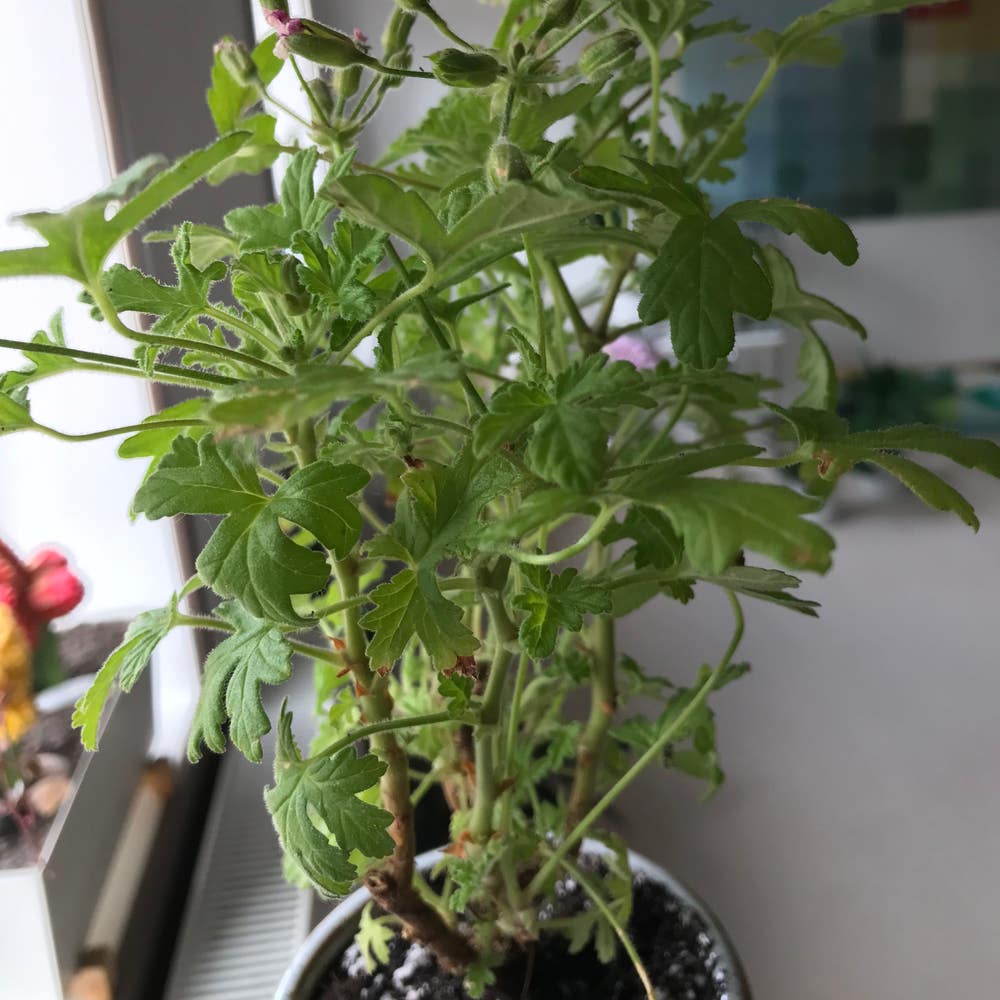
Why Are My Tree Mallow Leaves Curling?
Malva arborea
By the Greg Editorial Team
Mar 02, 2024•3 min read
This article was created with the help of AI so we can cover more plants for you. May contain errors. See one? Report it here.
Unravel the mystery of curling Tree Mallow leaves and reclaim your plant's splendor 🌿🔍!
- 🌡️ Heat, cold, and wind can make Tree Mallow leaves curl.
- 🐛 Pests and diseases like aphids and powdery mildew cause curling.
- 💧🌞 Consistent watering and light help prevent and fix leaf curl.
Spotting the Culprits: What's Making My Leaves Curl?
💨 Environmental Stressors
Heat waves and cold snaps are notorious for causing Tree Mallow leaves to curl. It's a protective response, with leaves rolling up to reduce surface area and conserve water. Consistency in temperature is key to keeping leaves flat and happy.
Wind is another stealthy stressor, physically bending leaves and causing them to curl. It's like an unwanted workout for your plants, leaving them twisted and contorted.
🐛 Pests and Diseases
Aphids and Spider Mites
Aphids and spider mites are the sneakiest of pests, often going unnoticed until the damage is done. They suck the sap right out of leaves, leaving them curled and deformed. A sticky residue is a telltale sign of these critters.
Fungal Foes
Powdery mildew is a common fungal culprit, coating leaves in a white film and causing them to curl. Fungal infections thrive in moist conditions, so keeping leaves dry is crucial to prevent these unwanted guests.
Turning Over a New Leaf: Fixing the Curl
💧 Balancing the Elements
Watering wisdom is non-negotiable. Your Tree Mallow craves consistency, so let the soil's top inch dry out before giving it another drink. Think of it as the plant equivalent of quenching thirst, not causing a flood.
Building barriers is your next defense. Protect your green buddy from scorching sun and biting cold. A strategic spot with bright, indirect light keeps your Tree Mallow from throwing a leafy tantrum.
🐜 Winning the Bug and Fungus Battle
Organic arsenals are your first line of offense. Neem oil and insecticidal soap can kick pests to the curb without the toxic after-party. Remember, cleanliness is next to pestlessness—wipe those leaves down.
When pests are tougher than old jerky, chemical warfare might be your reluctant ally. Use targeted insecticides as a last resort, and always play by the rules—read those labels like a treasure map.
Fortifying Your Tree Mallow: Prevention Tactics
🌱 Cultivation Best Practices
Pruning isn't just about aesthetics; it's a health check-up for your Tree Mallow. Cut back the overgrown and dead parts to encourage air circulation and new growth. This isn't a suggestion—it's a prescription for vigor.
Feeding your plant isn't about dumping a bag of fertilizer and calling it a day. It's about the right nutrients at the right time. Think of it as a tailored diet plan for your green buddy—balanced, timely, and specific to its needs.
🛡️ Choosing the Sturdiest Soldiers
Selecting a Tree Mallow variety isn't a beauty contest; it's survival of the fittest. Pick a variety that's tailored to your garden's microclimate, and you're not just planting a flower—you're appointing a guardian.
⚠️ Safety First
This content is for general information and may contain errors, omissions, or outdated details. It is not medical, veterinary advice, or an endorsement of therapeutic claims.
Always consult a qualified healthcare professional before using any plant as food, medicine, or supplement.
Never eat any plant (or feed one to pets) without confirming its identity with at least two trusted sources.
If you suspect poisoning, call Poison Control (800) 222-1222, the Pet Poison Helpline (800) 213-6680, or your local emergency service immediately.
Spotted an error? Please report it here.
Ensure your Tree Mallow stays resilient 🛡️ against curling leaves by leveraging Greg's tailored care plans for optimal watering, pest management, and more!